MLFF Toll in Malaysia

  • ANPR implementation with JustGo app for toll fare payment considered by works ministry: Ahmad Maslan

    ANPR implementation with JustGo app for toll fare payment considered by works ministry: Ahmad Maslan

    The works ministry is evaluating the implementation of automatic number plate recognition (ANPR) alongside the JustGo app as a method of toll fare payment, New Straits Times has reported. The proposal was submitted by PLUS as an expansion of the open toll payment system that allows the use of debit and credit cards, and digital transactions for toll fare payment, said deputy works minister Datuk Seri Ahmad Maslan.

    “At present, the SPT has been implemented on 26 highways for open toll systems. Under this new proposal, ANPR will automatically detect vehicle registration numbers and process toll payments through the JustGo application,” Ahmad Maslan told the Dewan Rakyat.

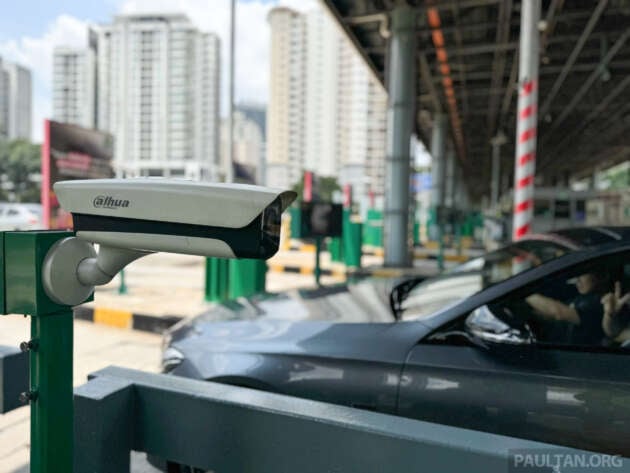
    The Malaysian Highway Authority (LLM) is assessing several key parameters before a public pilot of the ANPR-JustGo system can be launched, the deputy works minister said. “The evaluation covers the ANPR system’s accuracy in detecting licence plates, as well as ensuring transaction speed and reliability are at an optimal level,” he said.

    ANPR implementation with JustGo app for toll fare payment considered by works ministry: Ahmad Maslan

    System security and reliability, along with the performance of the JustGo app in real, operational conditions are also being prioritised, said the deputy works minister. “These tests are crucial to ensure the system can handle high traffic volumes and support continuous toll operations without disruption,” he said.

    Yesterday, the deputy works minister stated that the Federal Roads Act 1959, the Road Transport Act 1987 and the Malaysian Highway Authority (Incorporation) Act 1980 are due to be amended in order to pave the way for the multi-lane fast flow (MLFF) toll collection system. The Malaysian Highway Authority (LLM) will most likely be tasked with enforcement under the amended laws next year, he said.

    PLUS Malaysia began its trial of its ANPR-based multi-lane fast flow (MLFF) toll fare collection system in October, while earlier this month Touch ‘n Go showcased its Titan Flow MLFF system that combines RFID, ANPR, LiDAR and artificial intelligence technologies.


  • Government to amend three laws next year for rollout of MLFF toll system in Malaysia, says works ministry

    Government to amend three laws next year for rollout of MLFF toll system in Malaysia, says works ministry

    Amendments to three laws are expected to be tabled in parliament next year to pave the way for the multi-lane fast flow (MLFF) toll collection system. According to deputy works minister Datuk Seri Ahmad Maslan, the three laws due to be amended are the Federal Roads Act 1959, the Road Transport Act 1987 and the Malaysian Highway Authority (Incorporation) Act 1980.

    As reported by The Edge, the amendments will address the enforcement for non-payment of tolls, including determining which authority will be empowered to act under the revised legal framework. Ahmad Maslan revealed that the Malaysian Highway Authority (LLM) will most likely be tasked with enforcement under the amended laws next year.

    This came in response to a question by Zahir Hassan (PH-Wangsa Maju), who had asked about the government’s timeline for MLFF implementation by the 33 highway concessionaires. Ahmad Maslan reiterated that MLFF will be implemented on a business-to-business basis without involving government funding, as part of efforts to eliminate travel barriers and bottlenecks across highways.

    Touch ‘n Go recently showcased its Titan Flow MLFF system that combines RFID (radio frequency identification), ANPR (automatic number plate recognition), LiDAR and artificial intelligence technologies to enable barrier-less toll collection. Meanwhile, PLUS Malaysia has already begun a pilot project to test its MLFF system using ANPR technology.

    On PLUS’ system, Ahmad Maslan noted that LLM has outlined several evaluation parameters for the public pilot test, including ensuring the ANPR system can accurately detect and identify vehicle number plates so that toll charges are imposed correctly. The system must also deliver faster transaction speeds compared to existing payment methods and guarantee data security and transparency in line with the Personal Data Protection Act (PDPA) 2010.


  • NPE2 breaks ground – RM1.7b elevated highway, Pantai Dalam toll-Jln Istana, ready 2029, MLFF tolling

    NPE2 breaks ground – RM1.7b elevated highway, Pantai Dalam toll-Jln Istana, ready 2029, MLFF tolling

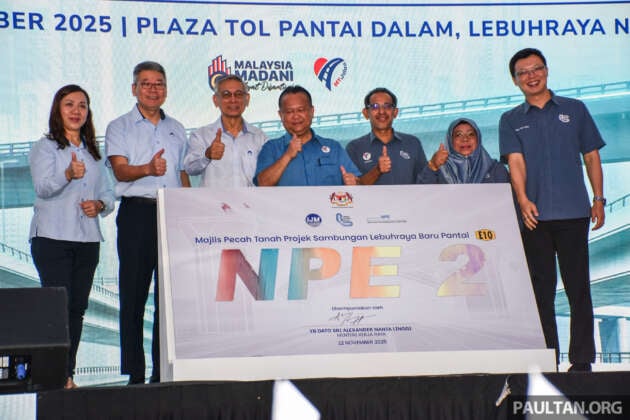
    The New Pantai Expressway Extension (NPE2) broke ground this morning, marking the start of construction following cabinet approval in May and the formalisation of the supplemental concession agreement with the works ministry in August. The highway is targeted to be completed in 2029 and open to traffic in 2030.

    A self-financed public-private partnership, the RM1.7 billion project is fully funded and implemented by New Pantai Expressway Sdn Bhd without requiring any additional financial allocation from the government.

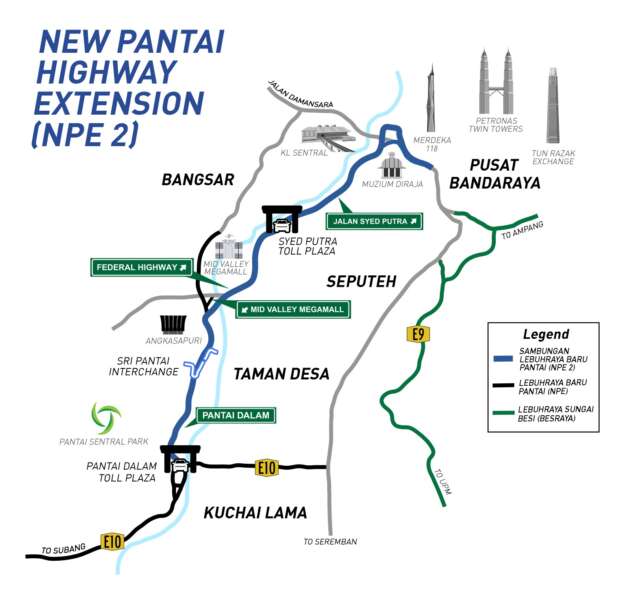
    The 6.4-km elevated highway (15 km including directional ramps) will link the existing Pantai Dalam toll plaza to Jalan Istana via Jalan Syed Putra, enhancing highway-to-highway connectivity between the NPE, Besraya and the upcoming Laluan Istana-Kiara Expressway (LIKE), and strengthening connectivity along the Pantai Dalam-Bangsar-Mahameru corridor into central Kuala Lumpur.

    NPE2 breaks ground – RM1.7b elevated highway, Pantai Dalam toll-Jln Istana, ready 2029, MLFF tolling

    IJM said in a release that NPE2 is expected to divert up to 40% of traffic from Jalan Bangsar towards the city centre, improve Level of Service from E/F to C/D, save as much as 25 minutes for those travelling between Bangsar/Mid Valley and Subang Jaya, and generate positive economic spillover to nearby developments like Pantai Sentral Park, Pantai Dalam and Bangsar South. It also said only 5% land acquisition is involved.

    The big news is NPE2 will have multi-lane fast flow (MLFF) tolling. IJM says the Pantai Dalam toll plaza will be upgraded and a new Syed Putra toll plaza will be built. The term ‘toll plaza’ continues to be used, but we’re informed that the Syed Putra toll will be a gateless gantry, and the system will be integrated into the Pantai Dalam toll once the national framework is in place. Works ministry sec-gen Datuk Seri Azman Ibrahim said in July that “the earliest possible (MLFF) implementation would be in 2027.”

    NPE2 will also have CCTV, smart lighting, a Pantai Dalam lay-by with surau, toilets and EV fast chargers, and free-flow ramps. “The NPE2 project reflects the government’s strong commitment to providing modern, sustainable and people-centric infrastructure. It is not merely a physical development, but a symbol of our concern for the well-being of the people and our continued determination to strengthen the nation’s infrastructure system for the benefit of all,” said works minister Datuk Seri Alexander Nanta Linggi.


  • Touch ‘n Go Titan Flow MLFF toll solution to use RFID, ANPR, LiDAR, AI, and open payment system

    Touch ‘n Go Titan Flow MLFF toll solution to use RFID, ANPR, LiDAR, AI, and open payment system

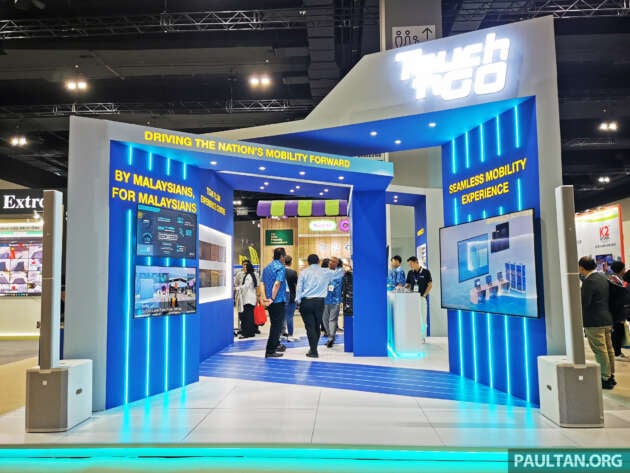
    Touch ‘n Go has showcased its Titan Flow MLFF (multi-lane fast flow) toll fare collection solution at the MyASEAN Roads and Traffic Expo (MyARTTE) in Kuala Lumpur, following the firm’s announcement last month of having demonstrated a proof of concept of the barrier-free toll fare collection system.

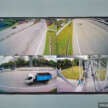
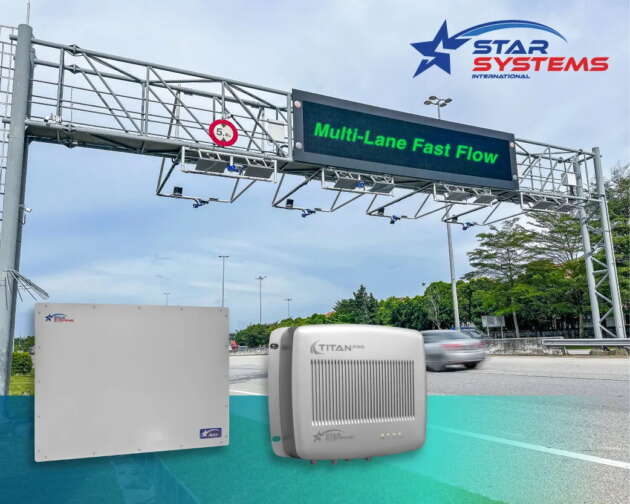
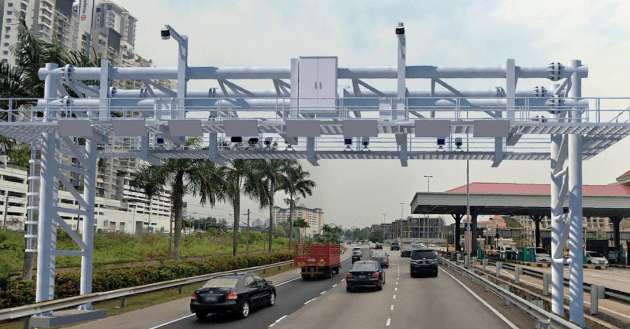
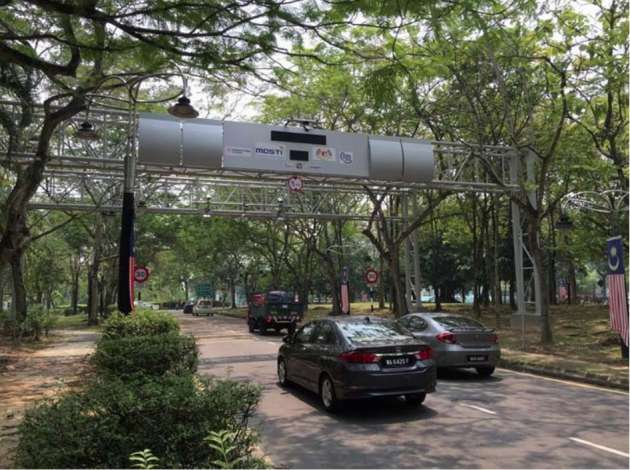
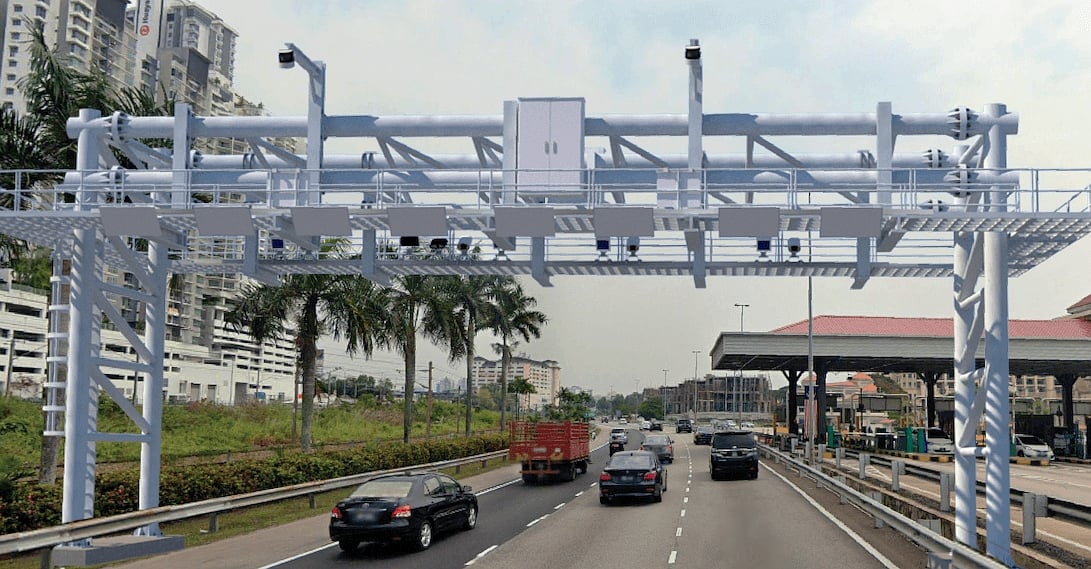
    This proof of concept is located in Alam Impian along the Kemuning-Shah Alam Highway (LKSA), using hardware by Star Systems International (SSI) installed in a gantry above a four-lane section of the highway. Branded Titan Flow, the POC combines RFID, ANPR, LiDAR and artificial intelligence technologies, which enables MLFF toll fare collection without toll plazas with barriers.

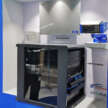
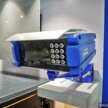
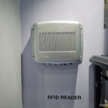
    The technology used in the MLFF proof of concept gantry on the LKSA, as displayed by Touch ‘n Go at the expo, features key equipment from Star Systems International (SSI), and is comprised of two RFID antennas, an RFID reader, and two ANPR cameras with LiDAR, per lane.

    The RFID antenna is larger and more powerful than the equipment currently in use at fully operational toll plazas, and has been tested at speeds beyond the national limit, while the ANPR is capable of plate detection beyond 200 km/h, according to Touch ‘n Go.

    These are complemented by LiDAR that feeds into the integrated AI, which identifies the types of vehicles passing through the gantry, such as private vehicles, taxis, buses, or lorries, as denoted according to vehicle classes on highways in order to determine the toll fare to be imposed for a given vehicle. The POC at the location has been trialled for the past 13 months, according to Touch ‘n Go.

    Relying solely on ANPR cameras will be inadequate as these have an accuracy of 95%, the firm said, as the effectiveness of a visual-only, camera-based system is compromised by environmental factors such as heavy rain and intense sunlight. For this reason, Touch ‘n Go is running the system with multiple data capture devices as redundant backups in order to attain an accuracy of 99.98%.

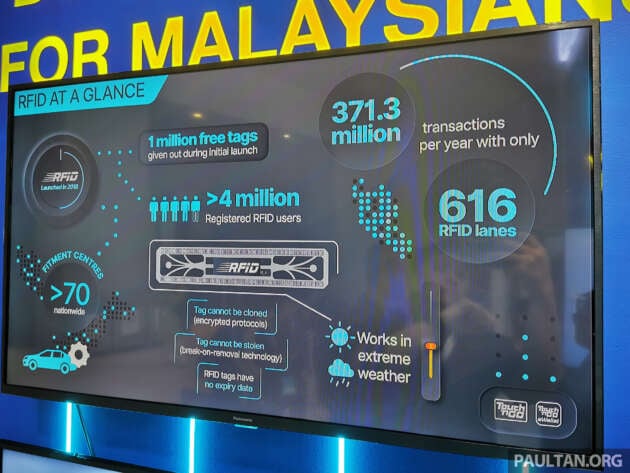
    Where the consumer is concerned, the proof of concept reads from the same RFID tag that has amassed more than four million registered users so far, alongside more than 24 million Touch ‘n Go eWallet users.

    Plans are also afoot for the implementation of an open payment system for toll fare. While users currently are required to make toll fare payments from the eWallet, they will, in the future, be able to make payments from their credit or debit card, or from other electronic wallets.

    Though the implementation of barrier-free MLFF toll fare collection was mooted nearly 20 years ago, a more definitive timeline now places its implementation in 2027. What remains to be seen is whether the Malaysian government will select one system to be used across all tolled highways in Malaysia, or if highway operators will be free to choose their own toll fare collection solution.
    Touch ‘n Go Titan Flow MLFF toll solution to use RFID, ANPR, LiDAR, AI, and open payment system

    Before arriving at the full roll-out of MLFF, the interim measure is the single-lane fast flow (SLFF) setup, which is a stepping stone towards the fully gateless toll fare collection system that is MLFF. The SLFF system is evolved from the RFID system that is currently operational, with hardware that enables vehicle identification and toll fare collection to occur at higher speeds, at up to 50 km/h.

    Touch ‘n Go does not have the MLFF sandbox to itself. In August, it was revealed that highway operator PLUS was set to commence trials of its own ANPR-based toll fare collection system, dubbed JustGo, with a pilot project to trial the system on the North-South Expressway (NSE) from October.

    Earlier this month, The Edge Malaysia reported there are six bidders in play for the MLFF toll fare collection contract, citing sources which named JustGo Digital supported by PLUS Malaysia; Touch ‘n Go supported by Prolintas; a joint venture between Konsortium Jaringan Selangor and SEP Synergy, supported by IJM; and Taliworks Corp with Amanat Lebuhraya Rakyat (ALR) partnering with Payments Network Malaysia (PayNet).

    A separate source cited by The Edge Malaysia named a further two parties, which are Setel Ventures, and a joint venture involving a Qatari consortium using South Korean technology. Prolintas subsequently refuted its reported involvement with Touch ‘n Go.

     
     
  • Touch ‘n Go demonstrates MLFF toll system in Malaysia – RFID and ANPR technology, coming soon?

    Touch ‘n Go demonstrates MLFF toll system in Malaysia – RFID and ANPR technology, coming soon?

    Finally, some progress on Malaysia’s multi-lane fast flow (MLFF) tolling project – Touch ‘n Go has announced it has demonstrated a proof of concept, in collaboration with electronic toll collection (ETC) expert Star Systems International (SSI). The company claims the pilot programme marks a “significant step toward barrier-free” tolling in the country.

    The system appears to have been installed on an existing gantry in Alam Impian along the Kemuning-Shah Alam Highway (LKSA), in line with a previous report. It uses SSI’s Titan Pro RFID reader and Avior high-powered antenna that have been customised by TnG for local infrastructure needs. According to SSI, the two technologies provide “exceptional read performance” and “unmatched performance and accuracy, achieving remarkable precision” in high-speed, multi-lane environments.

    Another partner, Sidra Systems, provided its PARSEC lane control system, integrating SSI’s technologies with other sensors such as automatic number plate recognition (ANPR) cameras and 3D lidar sensors. The MLFF pilot is said to have been running fully autonomously alongside the existing Alam Impian toll to enable direct validation against actual tolling data. In testing, it has achieved 100% vehicle detection and reads over 99.98% of existing TnG RFID tags.

    “The Titan Pro and Avior were purpose-built for high-speed, multi-lane tolling environments. SIDRA’s PARSEC brings out the maximum performance in our technology and acts as a glue that tightly integrates every component into a single, highly responsive tolling ecosystem.

    “In collaboration with Touch ’n Go’s platform and SIDRA’s system integration, this project showcases a successful implementation of MLFF in Malaysia. We are proud to partner with Touch ’n Go in turning this vision into reality,” said SSI chief technical officer Stephen Lockhart.

    Touch ‘n Go demonstrates MLFF toll system in Malaysia – RFID and ANPR technology, coming soon?

    Touch ‘n Go says the technology showcase is in line with Malaysia’s broader digital mobility agenda, which also includes the implementation of open toll payments. It adds that its RFID system remains the backbone technology for barrier-free, high-speed MLFF tolling.

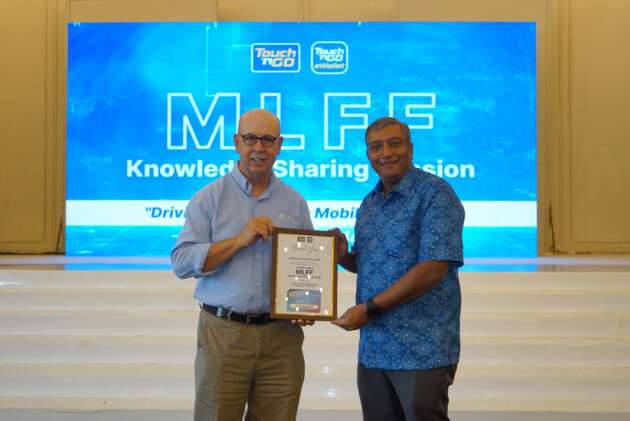
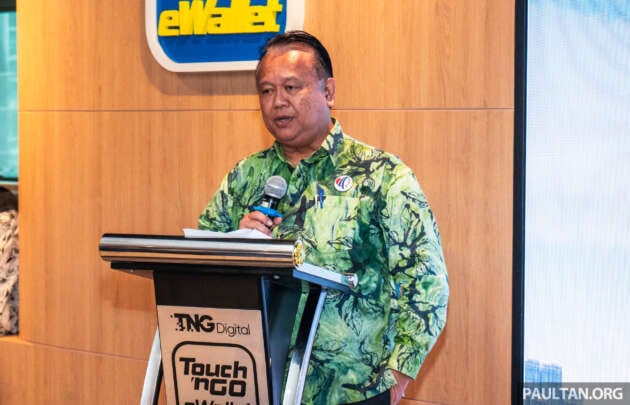
    “With nationwide RFID adoption and an MLFF-ready system, we are fully prepared to deliver tolling that is seamless, reliable and future-ready,” said TnG CEO Praba Sangarajoo. “Made for Malaysians, by Malaysians, this solution reflects our deep commitment to the nation. Beyond technology, it represents our promise to Driving Malaysia’s Mobility Forward.”


    Now that TnG has successfully demonstrated a fully-functional MLFF system, might we see it being implemented across all highways in Malaysia soon? We sure hope so, but there are still obstacles ahead, as the government has so far failed to achieve a consensus among concessionaires.

    Last we heard, these concessionaires have been allowed to choose their own partners, which means we could see different technologies and even different payment methods for each highway – although we’d expect the government to step in to prevent the latter from happening.


  • MLFF will not involve government spending; service providers may deal directly with highway operators

    MLFF will not involve government spending; service providers may deal directly with highway operators

    Implementation of the multi-lane free flow (MLFF) toll fare collection system will not involve financial implications for the government, said deputy works minister Datuk Seri Ahmad Maslan, reported Bernama. The initiative is part of a new direction set by the works ministry (KKR), which was presented to the Cabinet on July 25, the deputy works minister said.

    The new initiative also allows service provider companies to negotiate and deal directly with the 33 existing highway concession companies on a business-to-business (B2B) basis to enable its implementation, Ahmad Maslan continued.

    “For example, PNB Prolintas is currently carrying out proof of concept, testing or trials at the Alam Impian Toll Plaza on the Kemuning-Shah Alam Highway (LKSA) in collaboration with Touch ‘n Go and CIMB. They have installed gantries and equipment to test the implementation of MLFF at the location,” he said in Dewan Rakyat today.

    MLFF will not involve government spending; service providers may deal directly with highway operators

    In terms of addressing the issue of toll fare evasion upon the implementation of the MLFF toll fare collection system, RFID technology and automated number plate recognition (ANPR) systems will be deployed at MLFF lanes.

    “Anyone who fails to pay toll at MLFF lanes will definitely be tracked, as we will capture the licence plate numbers that pass through the gantries. [This means that] those who do not pay will certainly be identified and issued a notice. Possibly in the future, certain enforcement methods may be introduced, such as [prohibiting the renewal of] road tax, and so on,” he said.

    The deputy works minister added that the Malaysian Highway Authority (LLM) is continuously monitoring the performance of existing RFID lanes, ensuring that highway operators conduct fine-tuning more frequently. “This is to ensure that the RFID system in the lanes is enhanced, while also increasing user awareness on maintaining sufficient balance when using the toll plazas,” he said.

    Last week, works ministry secretary-general Datuk Seri Azman Ibrahim said that highway concessionaires are free to choose their own partners for MLFF toll fare collection, whether they appoint them directly or collaborate with others.


  • Gateless MLFF toll fare collection could start by 2027, highway concessionaires free to choose own partners

    Gateless MLFF toll fare collection could start by 2027, highway concessionaires free to choose own partners

    Barrier-free toll collection, or multi-lane fast flow (MLFF) toll collection on highways in Malaysia could be implemented in 2027 according to works ministry secretary-general Datuk Seri Azman Ibrahim, reported the New Straits Times.

    The proposed MLFF system was still pending cabinet approval, and discussions with highway concessionaires cannot proceed until a formal decision is made, the works ministry secretary-general said.

    “We already have a draft outlining the parameters required to streamline the system. But until a cabinet decision is reached, we cannot engage with the concessionaires. We want to avoid the risk of being charged before anything is finalised,” Azman was quoted as saying in a transcript of a Public Accounts Committee (PAC) proceeding on May 20 which was released yesterday, according to NST.

    The projected 2027 timeline took into account the need for stakeholder engagement, the request for proposal (RFP) process by the concessionaires and the establishment of a regulatory body to oversee the initiative, the works ministry secretary-general said.

    “Taking all these factors into account, the earliest possible implementation would be in 2027,” Azman said, adding that the MLFF system, once rolled out, must be fully concessionaire-led, without any government funding, and must not result in toll fare increases.

    Gateless MLFF toll fare collection could start by 2027, highway concessionaires free to choose own partners

    The latest report by the PAC also revealed that the works ministry has proposed allowing highway concessionaires to implement the MLFF toll fare collection system through a business-to-businses (B2B) model, reported The Edge Malaysia.

    “Under this [B2B] model, the concession companies can invite any firm and issue a request for proposal (RFP) to carry out the project. That is what we have proposed to the Cabinet,” Azman was quoted as saying during the PAC proceeding on May 20. Azman also said that the government will not proceed with the previously proposed model of implementing “concessions on top of concessions” for the MLFF system.

    “We are proposing a B2B approach, and it will be up to the concessionaires. Whether they choose to appoint a company directly or collaborate with others, it is entirely their decision. They could even set up a special purpose vehicle (SPV) to help implement the project — there are many options. We will leave it to the concessionaires to decide,” he said.

    The PAC report cited Azman as saying that the appointment of KJS-SEP Synergy had lapsed last year, after it had failed to obtain agreement from the highway concessionaires.

    In December 2023, a total of 32 highway toll concessionaires in Malaysia protested the government’s move to directly award multi-lane fast flow (MLFF) project to KJS-SEP Synergy, a company linked to YTL Corporation. The awarding of the project, valued at RM3.46 billion, was done without consulting the highway concessionaires who will eventually foot the bill.

    In October 2023, The Edge Malaysia reported that resistance from highway concessionaires was due to concerns for leakages that could affect toll fare collection, and a source questioned the ability of a third-party collection in sustaining the low rate of leakage from a barrierless toll system.


  • MLFF won’t totally eliminate highway congestion but will ensure smoother traffic flow – transport consultant

    MLFF won’t totally eliminate highway congestion but will ensure smoother traffic flow – transport consultant

    While the multi-lane fast flow (MLFF) toll collection system will not completely eliminate traffic congestion on highways, it will significantly reduce vehicle congestion at toll booths and contribute to smoother traffic flow on the whole, says a transport consultant.

    According to My Mobility Vision founder Wan Agyl Wan Hassan, the MLFF should be viewed as a part of a larger canvas that is an integrated traffic management system. “While I agree that the MLFF alone isn’t a silver bullet for all congestion issues, it is important to recognise its significant contribution in easing congestion specifically at toll plazas,” he told FMT.

    “By removing physical toll booths, vehicles maintain a more consistent speed, which can drastically reduce localised bottlenecks and improve overall traffic flow. MLFF should be seen as a vital component within a holistic traffic management strategy rather than the sole solution to highway congestion,” he said, adding that many major cities have successfully adopted such an integrated approach.

    The opinion was in response to last week’s statement made by the Public Accounts Committee (PAC), which said that the implementation of MLFF would not fully resolve traffic congestion on highways. The PAC recommended that the government conduct a thorough cost-benefit analysis before proceeding with the RM3.46 billion project.

    Wan Agyl agreed with the PAC’s call for a thorough study on the project, saying it was important to ensure transparency in procurement and address potential financial burdens in any major infrastructure project. However, he maintained that it was important for the MLFF project to continue.

    MLFF won’t totally eliminate highway congestion but will ensure smoother traffic flow – transport consultant

    “This balanced approach – acknowledging both the strengths of MLFF and the need for comprehensive congestion management – aligns with the best global practices and ensures that we harness technology to improve our transport infrastructure effectively,” he said.

    MDS Consultancy MD Rosli Azad Khan was also in support of the project, saying it would reduce travel time, improve fuel efficiency for road users and lower operational costs for toll operators. He however added that the government needs to get the automatic number plate recognition (ANPR) system up and running first and ensure it was working effectively before moving on to MLFF.

    He said this would allow the authorities to iron out any kinks in the system, but stressed that its operational aspects should remain under the purview of authorities. “The government must not privatise the ANPR function, as only a government department has the legal authority to implement this system,” he explained.

    Earlier this month, the government said it had received several ideas and proposals on MLFF and was looking into them. Separately, deputy works minister Datuk Seri Ahmad Maslan revealed that MLFF would likely not be implemented as a single system across all highway concessions in the country, but instead in stages, with PLUS expected to lead the way in with its own version.


  • No toll price increase with implementation of MLFF

    No toll price increase with implementation of MLFF

    Toll prices will not be increased following the implementation of the multi-lane free flow (MLFF) toll collection system, The Star reports. This is according to deputy works minister Datuk Seri Ahmad Maslan, who added that the proposed project has yet to receive cabinet approval.

    “The initial estimated cost of RM3.46 billion will not be imposed on the government or highway users. This is because of the savings made by highway concessionaires due to reduced costs in maintenance, workers’ salaries and electricity at toll plazas once the MLFF is implemented,” said Ahmad.

    “These savings will be used for the MLFF system without increasing toll charges for users,” he continued in his response to a question from Datuk Seri Dr Wee Ka Siong (BN-Ayer Hitam) in the Dewan Rakyat yesterday (February 19, 2025). The RM3.46 billion estimate was provided under a previous proposal by KJS Sdn Bhd and SEP Snergy (M) Sdn Bhd, which was automatically terminated on December 16 last year – the agreement was initially signed on November 17, 2022.

    Ahmad said the government remains committed to implementing the MLFF system as a solution to traffic congestion at highway toll plazas. “The cabinet will soon decide on the direction of the MLFF system’s implementation,” he noted.

    No toll price increase with implementation of MLFF

    This will require the preparation of a cabinet paper, which is pending feedback from the transport ministry, finance ministry, attorney general’s chambers (AGC) and the Public Private Partnership Unit (UKAS) under the prime minister’s department.

    The proposed MLFF project, which will require approval from all 33 highway concessionaires, is expected to attract bids from several companies. Ahmad added that the government will consider recommendations by the Public Accounts Committee (PAC) to conduct a cost-benefit analysis for the project.

    Earlier this week, the PAC said the implementation of the MLFF system would not fully resolve traffic congestion on highways. Ahmad acknowledged this but said the project would be a step towards addressing the issue. PAC launched its probe into the MLFF project last February following protests by 33 highway concessionaires against the direct awarding of the project to a private company without consulting stakeholders.

    On a related matter, Ahmad said highway concessionaires have the right to implemented the MLFF system independently, although this will be subject to the cabinet’s directive and the overall direction of the MLFF system. This is in relation to reports that PLUS Malaysia will implement the MLFF system come April this year.


  • Public Accounts Committee recommends KKR, LLM conduct detailed cost-benefit analysis of MLFF project

    Public Accounts Committee recommends KKR, LLM conduct detailed cost-benefit analysis of MLFF project

    The Public Accounts Committee has recommended that the works ministry (KKR) and the Malaysian Highway Authority (LLM) conduct a more detailed cost-benefit analysis on the multi-lane free flow (MLFF) toll collection project, Bernama has reported.

    This recommendation was made after the committee concluded that the implementation of MLFF would not fully resolve traffic congestion on highways, said PAC chairman Datuk Mas Ermieyati Samsudin, and this was one of six recommendations made by the PAC in Dewan Rakyat regarding the management of the MLFF project under KKR and LLM, according to the report.

    Mas Ermieyati added that KKR needs to finalise the direction of the MLFF system promptly after the appointment agreement had expired on December 16 last year.

    “KKR needs to seek detailed advice or reviews from the ministry of finance or the public-private partership unit (KKAS) to confirm the best procurement method for implementing MLFF. The implementation of MLFF should be carried out using the best method, with no cost implications to the government or users,” she was quoted as saying in a statement.

    Public Accounts Committee recommends KKR, LLM conduct detailed cost-benefit analysis of MLFF project

    The Public Accounts Committee also stated its view that it would be inappropriate for the government to sign any agreements with significant impact during a caretaker government period, Mas Ermieyati added. “As an immediate measure, LLM and the concessionaire companies need to enhance the effectiveness and efficiency of toll collection at each toll plaza,” she said.

    Following the government’s announcement in March 2023 that RM3.46 billion would be allocated for the MLFF, and the PAC had held six proceedings on the matter from February 26, 2024 to November 19, 2024.

    The committee called witnesses including the works ministry’s secretary general, the former secretary-general from December 2021 to September 2023, its deputy secretary-general for policy and development, the public-private partnership unit (UKAS) director-general, LLM director-general, the president of the Malaysian Highway Concession Companies Association and the Selangor Network Consortium project director, reported Bernama.

    As a result of the proceedings, 11 conclusions were made by the public accounts committee. The PAC report on the MLFF implementation management under KKR and LLM can be downloaded for reading on the PAC website.


  • PLUS to implement MLFF in April 2025: Ahmad Maslan

    PLUS to implement MLFF in April 2025: Ahmad Maslan

    The multi-lane fast flow toll fare collection system will be first implemented by highway concessionaire PLUS Malaysia, instead of implementing a single system across all highway concessions in the country, reported the New Straits Times.

    “For the single system, it is quite difficult to implement because there are 33 highway concessions managing over 2,000 km of roads, with a significant portion under [PLUS Malaysia],” deputy works minister Datuk Seri Ahmad Maslan said in response to a question in Dewan Rakyat.

    Ahmad Maslan also confirmed that PLUS Malaysia will begin implementing their own version of MLFF in April as the Malaysian government continues discussions on the financial aspects of the transition. In November, Ahmad Maslan said that PLUS opposed the overlapping concession, and the highway operator stated it can implement MLFF independently.

    Initially planned for implementation in the third quarter of 2024, the Malaysian cabinet has terminated negotiations with the operators, while works minister Alexander Nanta Linggi said last month that the MLFF system still needs further refining.

    Earlier this month, the works minister said that the government has received several ideas and proposals on the implementation of the MLFF system, and also said earlier in December last year that the main obstacle to the implementation of MLFF was the difficulty of finalising its governing structure because as of November, 13 highway concessionaires were not in agreement over the MLFF system’s implementation.


  • PLUS to start pilot testing of its own gateless gantry toll system in April; system to be linked to JPJ – report

    PLUS to start pilot testing of its own gateless gantry toll system in April; system to be linked to JPJ – report

    This has been talked about for a very long time, but are we finally going to see something soon? Astro Awani writes, citing a report by The Edge, that several highway concessionaires are taking it upon themselves to develop their own gateless toll system, with PLUS Expressways Berhad targeting to start pilot testing in April.

    While details of the system are still unknown, PLUS has an advantage through its Teras Teknologi subsidiary, which presently provides electronic toll collection systems for most highway concessionaires. PLUS also plans to link its system with the road transport department (JPJ), so that drivers with unpaid tolls will not be allowed to renew their road taxes, according to Astro Awani.

    This ‘pass now, pay later’ method seems to be the way to realise going through tolls at speed, at least for now. Touch ‘n Go eWallet last month launched SOS Balance, the first such system in Malaysia. Still not gateless, but it allows ‘good’ users (you use the app and reload frequently, pay on time etc) to pass tolls with insufficient balance. The payment must be made within 24 hours by reloading the eWallet, and you can only ‘delay’ RM80 a day, tops.

    Also known as Multi-Lane Free Flow (MLFF), gateless gantries were talked about in Malaysia as early as 2008. PLUS said in 2015 that it would introduce the system in 2018, which of course came and went. According to Astro Awani, the government previously set a 2025 target for it, so let’s see if it happens this year, shall we?


  • Government has received several ideas and proposals on MLFF, we will accept them later – works minister

    Government has received several ideas and proposals on MLFF, we will accept them later – works minister

    The never-ending saga of multi-lane fast flow (MLFF) toll collection in Malaysia continues, with works minister Alexander Nanta Linggi confirming that his ministry has accepted several ideas and proposals on the system’s implementation, Berita Harian reported.

    Nanta Linggi did not elaborate further on the matter, only telling reporters yesterday: “There are ideas, we will accept them later.”

    As yet, it is unclear if the said proposals included those submitted by highway concessionaires to finance the construction of free-flow lanes at toll plazas, the publication stated. It was previously reported that the nation’s 32 highway concessionaires may be footing the bill for the construction themselves, which would apparently save them more than RM1 billion.

    In 2023, quoting sources familiar with the matter, Free Malaysia Today said the concessionaires objected to the government’s decision to directly award the MLFF project for every highway to a single private company. The concessionaires were reportedly not consulted on the project and would have been on the hook for RM3.46 billion for the entire project.

    Government has received several ideas and proposals on MLFF, we will accept them later – works minister

    Later, Nanta Linggi said the MLFF system was approved by both the previous and current governments as it was already used in developed countries. “Malaysia is united when it comes to the Intelligent Transport System (ITS) and we have agreed on the MLFF system. Perhaps [the issue] concerns which contractor will handle or operate it,” he said.

    Nanta Linggi added that a company had initially signed a two-year agreement for a proof of concept and that period has since lapsed. “As such, a memorandum or proposal paper will be raised to the cabinet later to state that the previous matter had expired, as well as [what] the government’s future direction will be.”

    On 11 December, Nanta Linggi said that the main obstacle to the implementation of MLFF was the difficulty of finalising its governing structure. This is because 13 highway concessionaires were not in agreement over the MLFF system’s implementation.

    To recap, the MLFF system aims to relieve traffic congestion by providing seamless automatic toll payments without any barriers, similar to Singapore’s Electronic Road Pricing (ERP) system. After years of talk, a proof of concept was planned for 2023, but the project has since been mired in indecision as the works ministry has continuously failed to reach a consensus with all highway concessionaires.


  • MLFF to be refined further to ensure safety, efficiency; views of industry players sought – works minister

    MLFF to be refined further to ensure safety, efficiency; views of industry players sought – works minister

    The multi-lane fast flow (MLFF) toll collection system has been a long-running issue that has dragged on for way longer than its initially-planned deadline for implementation in the third quarter of 2024. The main holdup is trying to get all highway concessionaires to agree on the system’s direction, and last we heard, the cabinet has terminated negotiations with the operators.

    Unfortunately, we may have to wait a little longer yet – speaking to reporters at the Touch ‘n Go eWallet SOS Balance launch, works minister Alexander Nanta Linggi said the system still needs to be fine-tuned before its eventual implementation. This is despite a paper regarding the MLFF system’s direction set to be presented to the cabinet for consideration and approval this month.

    “The issue [of MLFF] needs to be refined,” he said. “This is why we are taking in a lot of opinions and offers. We have also heard from industry players on the matter, so hopefully in the end we can get the best [solution] when the time comes for a decision to be made.”

    This suggests that the authorities and stakeholders have yet to actually make a decision on the system, meaning its implementation may still be a ways away from becoming a reality. According to the minister, the safety and efficiency – the latter being a particular worry as leakages are possible – of MLFF is the main concern.

    MLFF to be refined further to ensure safety, efficiency; views of industry players sought – works minister

    “Because this system is meant to smoothen the traffic flow on highways, it is very important that we ensure that the safety [of MLFF] is improved, and we will also need to address issues with congestion and so on. Of course, we will also need to improve the efficiency of the system, because otherwise there will be implications.

    “For instance, there may be those who do not pay [the toll fee] and there will be a lot of losses. We will also ensure that there is sufficient enforcement of any necessary laws once MLFF is implemented,” Nanta Linggi added.

    To recap, the MLFF system aims to relieve traffic congestion by providing seamless automatic toll payments without any barriers, similar to Singapore’s Electronic Road Pricing (ERP) system. After years of talk, a proof of concept was planned for 2023, but the project has since been mired in indecision as the works ministry has continuously failed to reach a consensus with all highway concessionaires.


  • Cabinet paper on MLFF direction to be submitted in Jan 2025 – no more negotiations with concessionaries

    Cabinet paper on MLFF direction to be submitted in Jan 2025 – no more negotiations with concessionaries

    Deputy works minister Datuk Seri Ahmad Maslan has revealed the cabinet paper outlining the direction of the multi-lane free flow (MLFF) toll collection system will be presented in January 2025, reports Malay Mail.

    He added that the works ministry (KKR) has issued letters to highway concessionaries involved in the MLFF project informing them that negotiations would no longer proceed. “KKR will prepare and submit the cabinet paper on the MLFF direction for Cabinet’s consideration and approval in January 2025,” Ahmad said.

    This comes after Ahmad said last month that a decision on the MLFF system would be finalised by December 16, as it required the approval of highway concession companies involved. Earlier this month, works minister Datuk Seri Alexander Nanta Linggi pointed out that the main challenge in implementing the MLFF system was finalising its governance structure.

    The process is deemed to be complicated as it involved obtaining the approval of numerous parties, while also needing to draft the legislation for the system’s implementation. It was previously reported that 13 out of 33 highway concessionaries have yet to agree to the implementation of MLFF toll collection system. Most highways were developed by private developers who had financial backing from private entities, which adds to the complexity of MLFF implementation.


Latest Fuel Prices

PETROL
BUDI 95 RM1.99
RON 95 RM2.59 (+0.05)
RON 97 RM3.15 (+0.05)
RON 100 RM5.60
VPR RM6.48
DIESEL
EURO 5 B10 RM3.04 (+0.05)
EURO 5 B7 RM3.24 (+0.05)
Last Updated Feb 26, 2026

Latest Videos


Related PaulTan.org Content: Reviews: Reviews | Featured: Featured | Tech | 2025 | Malaysia: Malaysia | Electric: Electric