
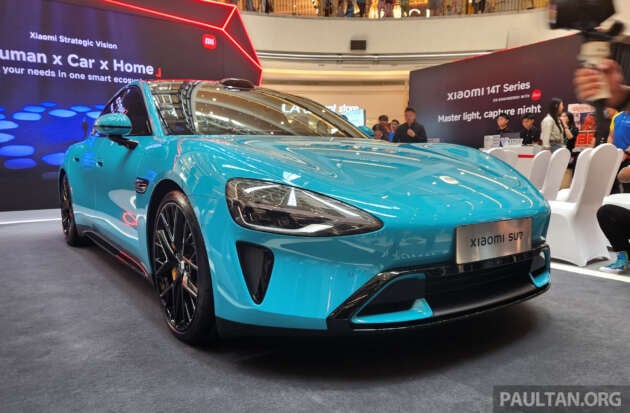
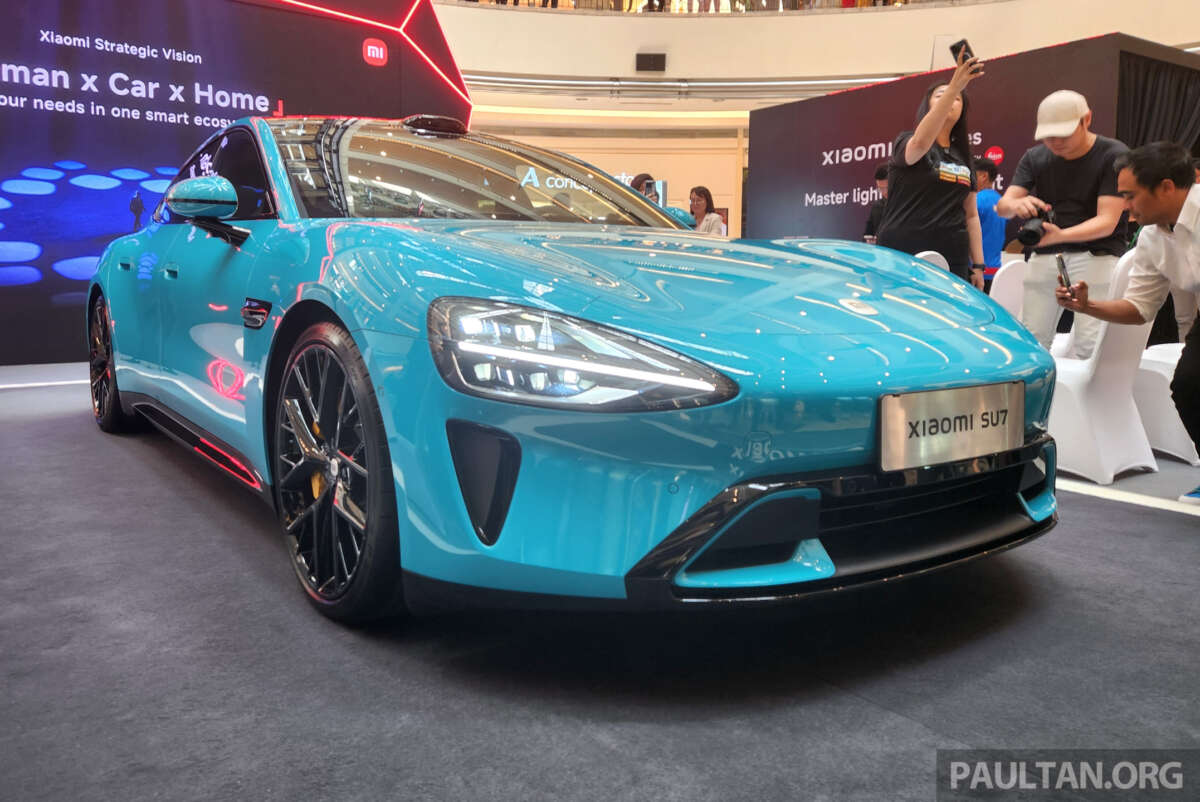
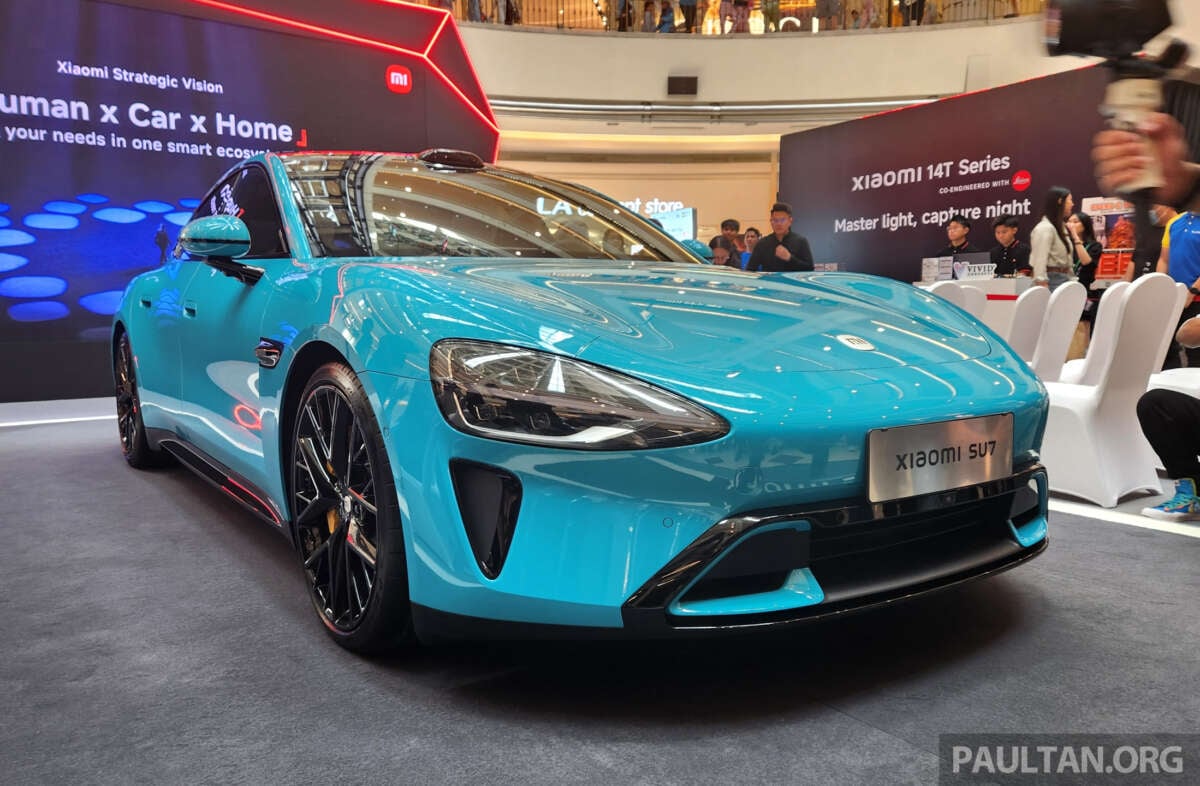
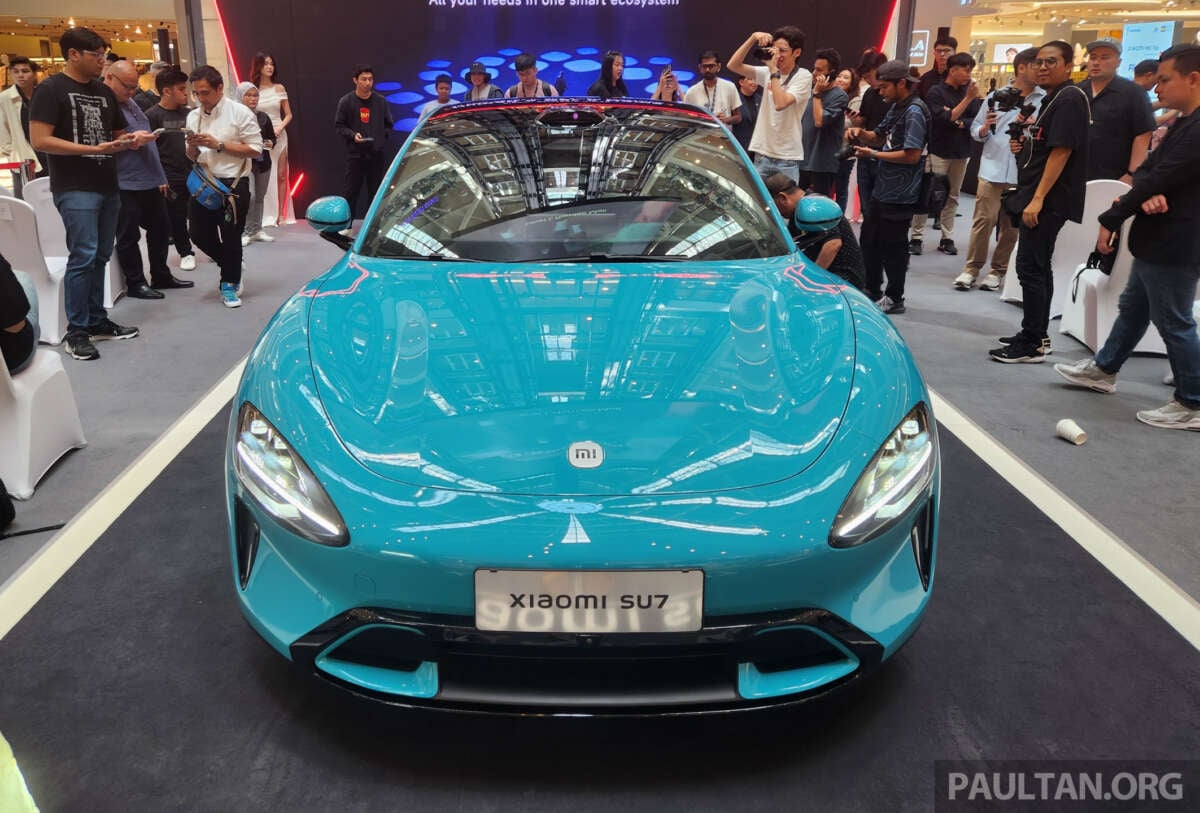
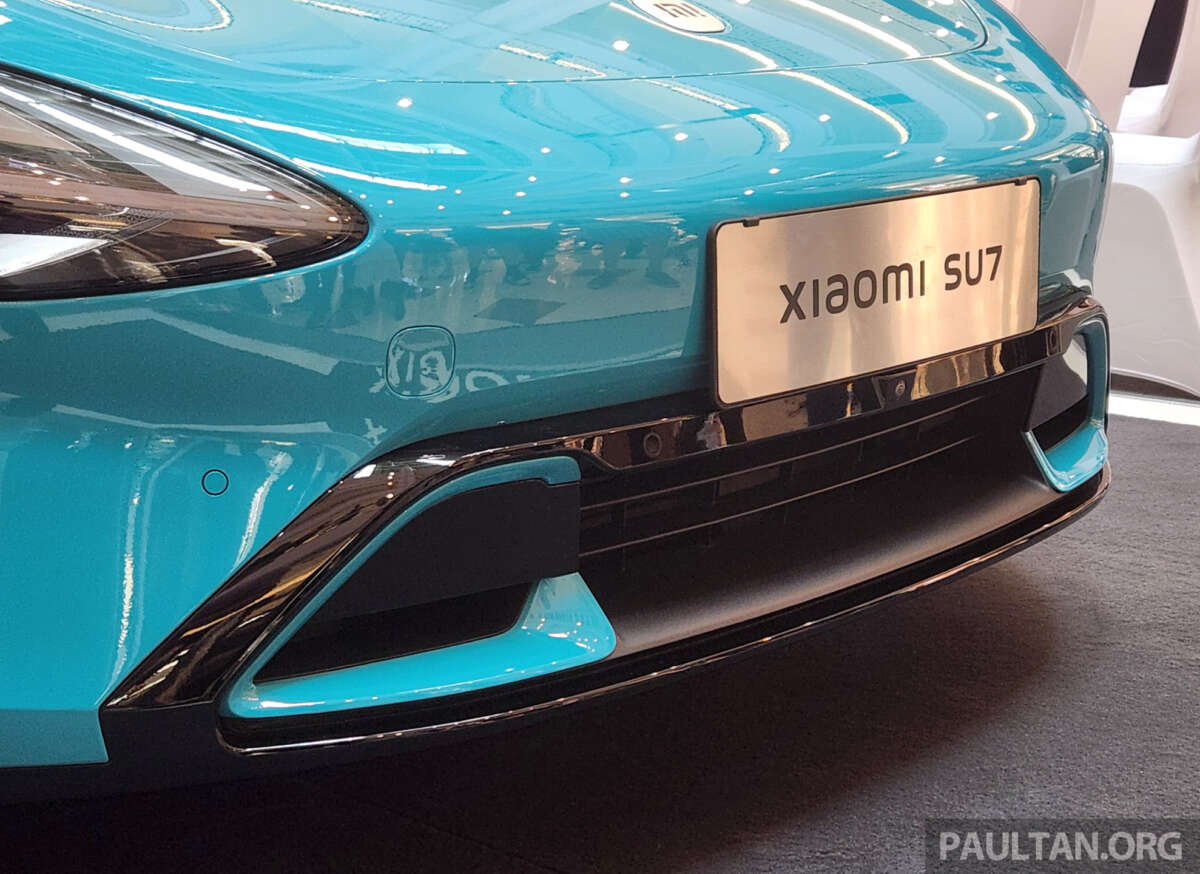
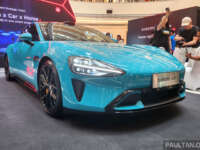
Look what we have here – the Xiaomi SU7 is on display at Suria KLCC’s Centre Court until Sunday, its first time in Malaysia! Before you get your pants in a twist, it’s not a launch – Xiaomi has brought the car in for demo purposes only; for now it’s only on sale in China, where it’s priced from 215,900-299,900 yuan (about RM130k-181k) and where it sold out for 2024 in the first 24 hours.
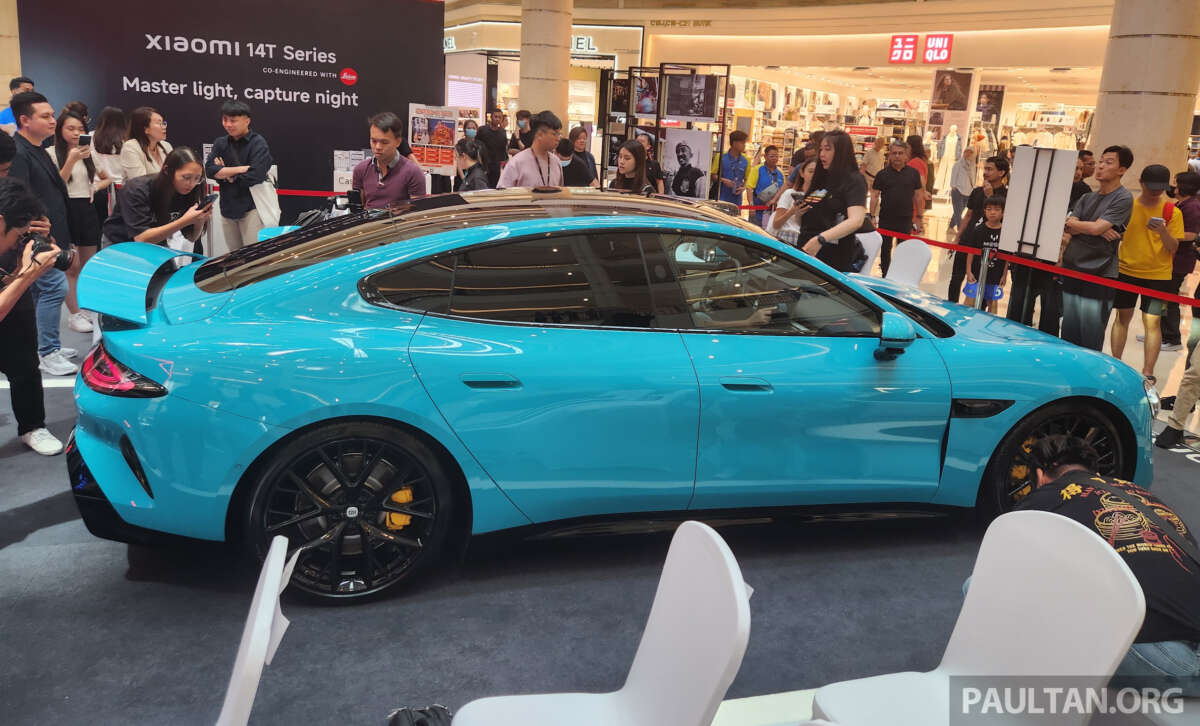
First unveiled at the end of 2023 and produced by BAIC Group in Beijing, the SU7 measures 4,997 mm long, 1,963 mm wide, 1,440 mm tall and has a wheelbase of 3,000 mm, making it bigger than a BYD Seal and about the size of a Tesla Model S and Porsche Taycan.
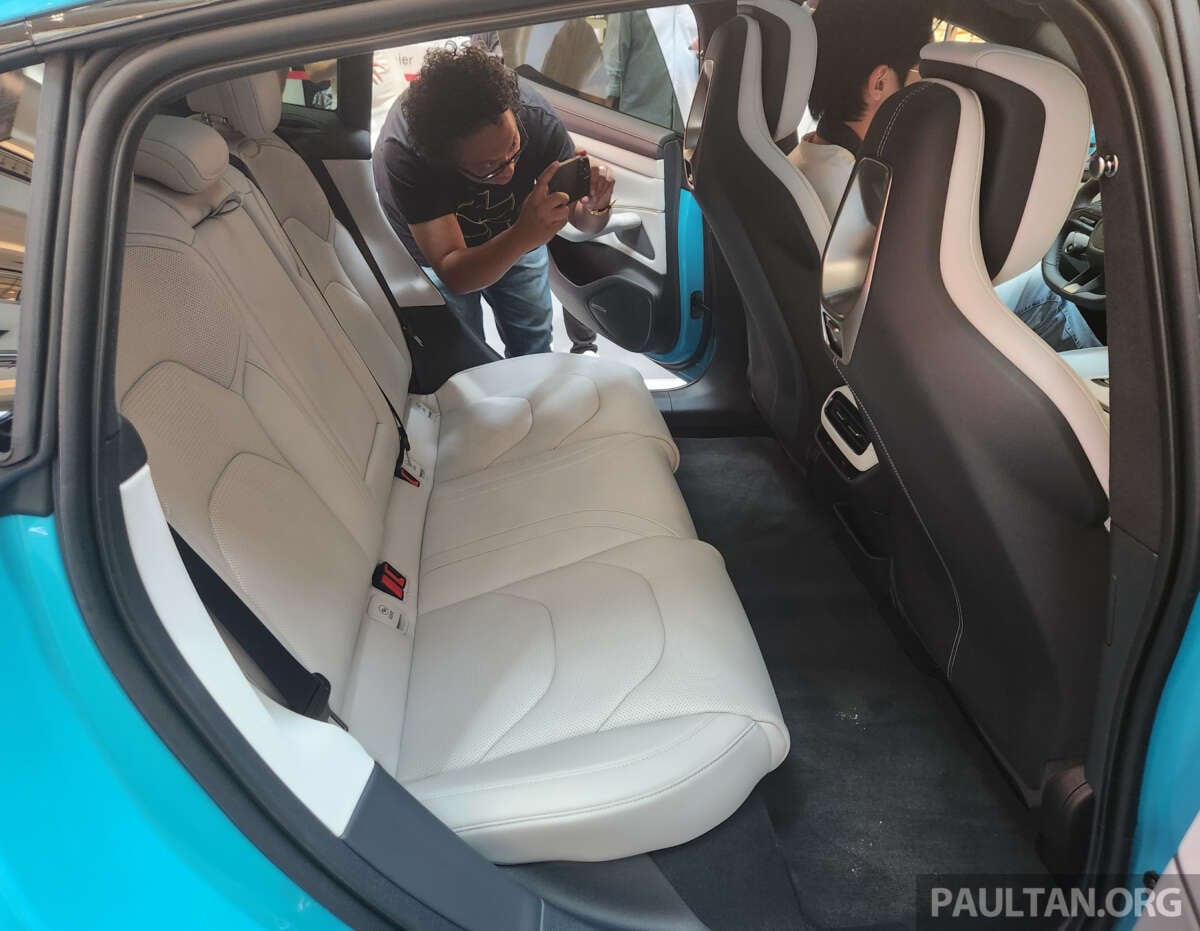
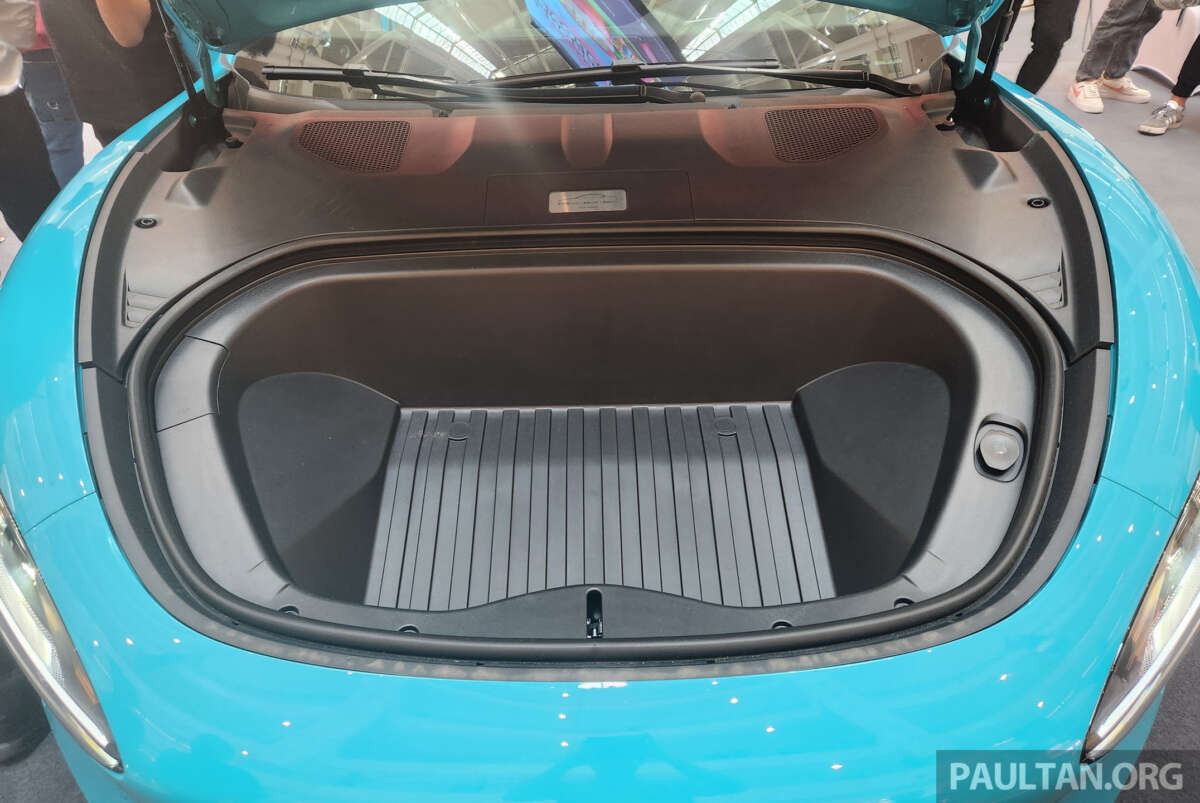
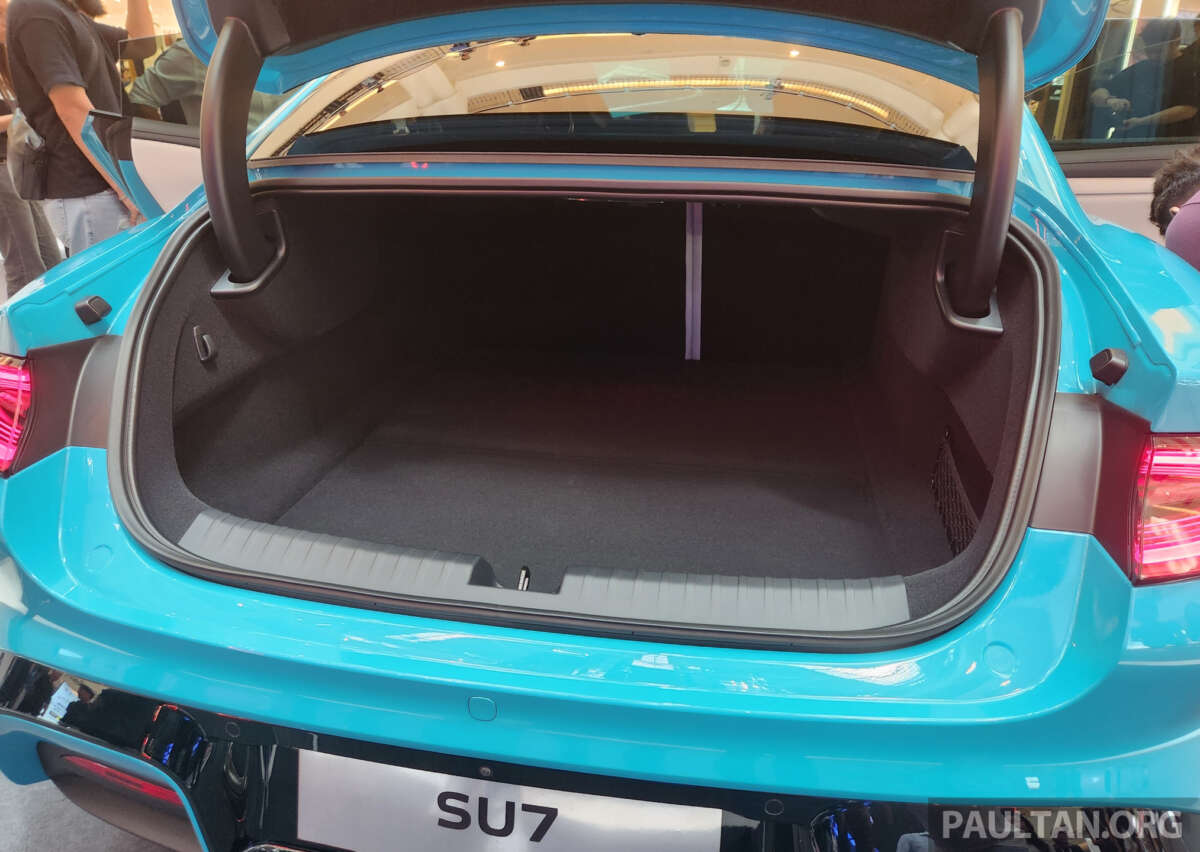
The generous dimensions allow for up to 1,012 mm of vertical seating space in the front, 105 mm of rear knee room, 517 litres of rear boot space and 105 litres of front trunk (frunk) space, the last of which is said to be the largest for an EV in China, beating both the Model S (89 litres) and Taycan (84 litres).
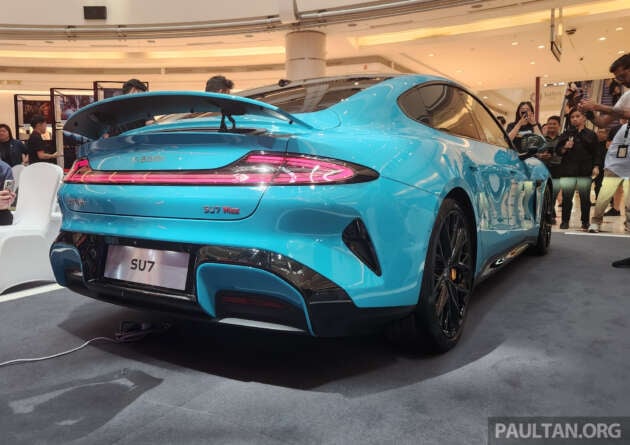
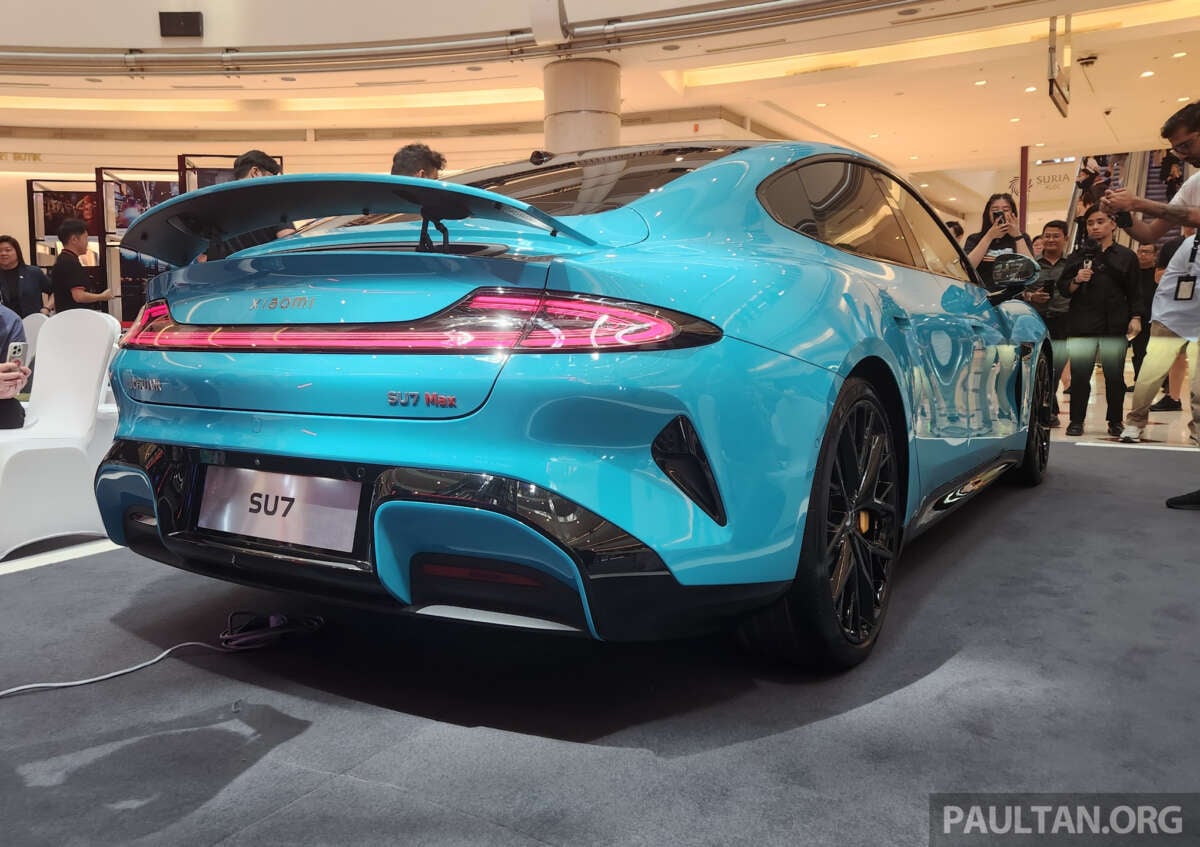
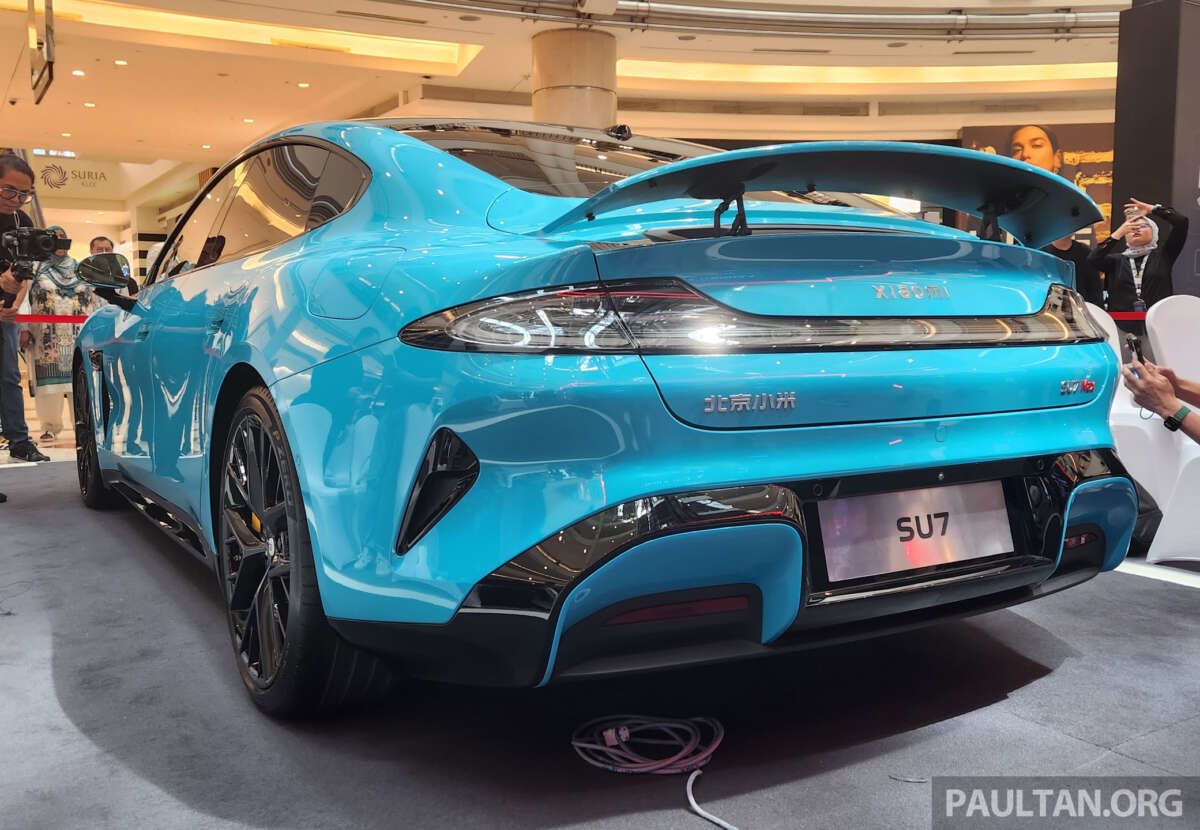
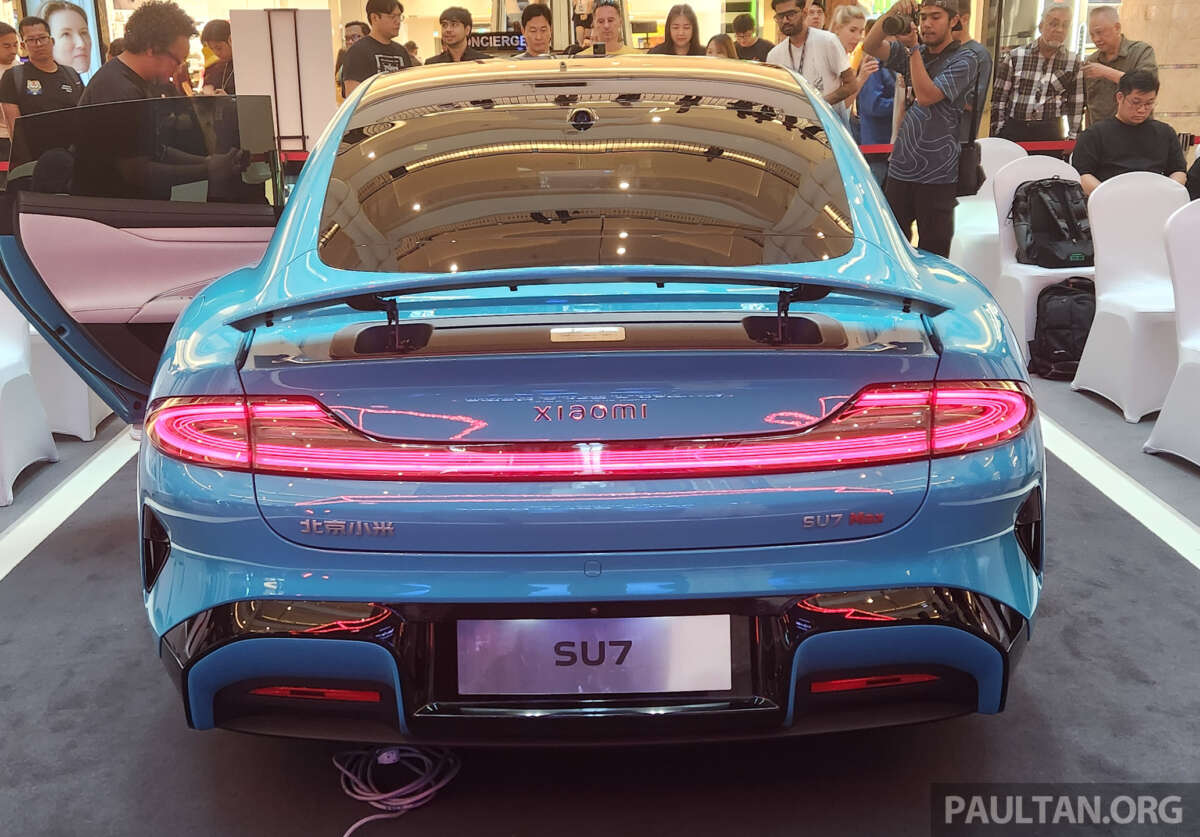
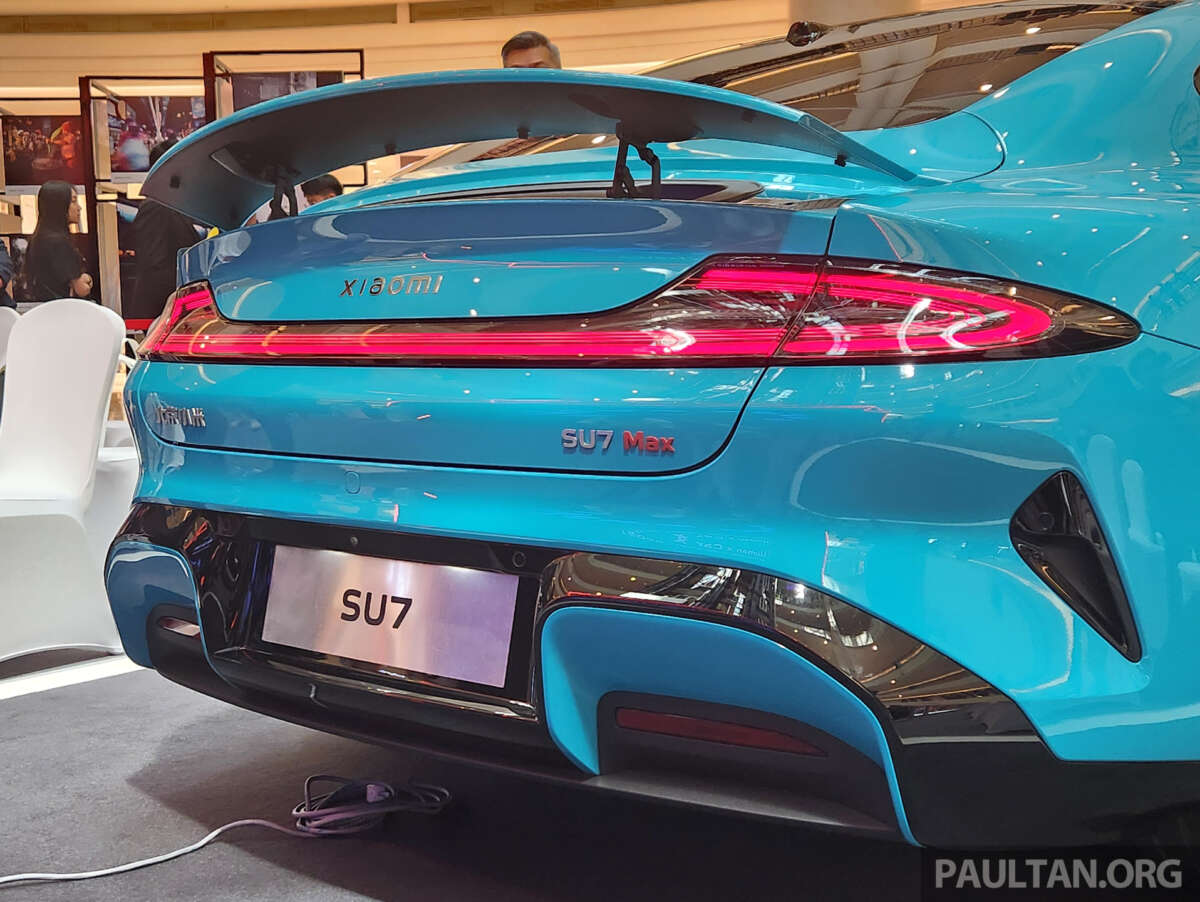
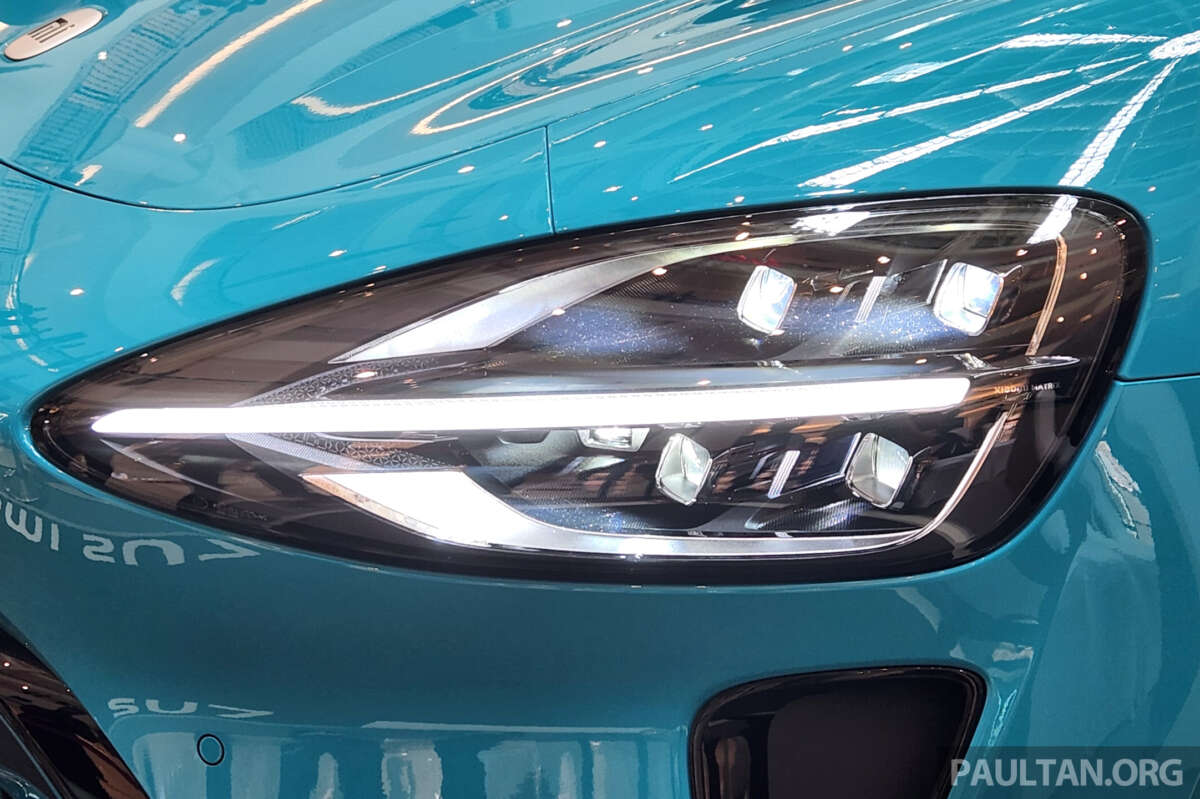
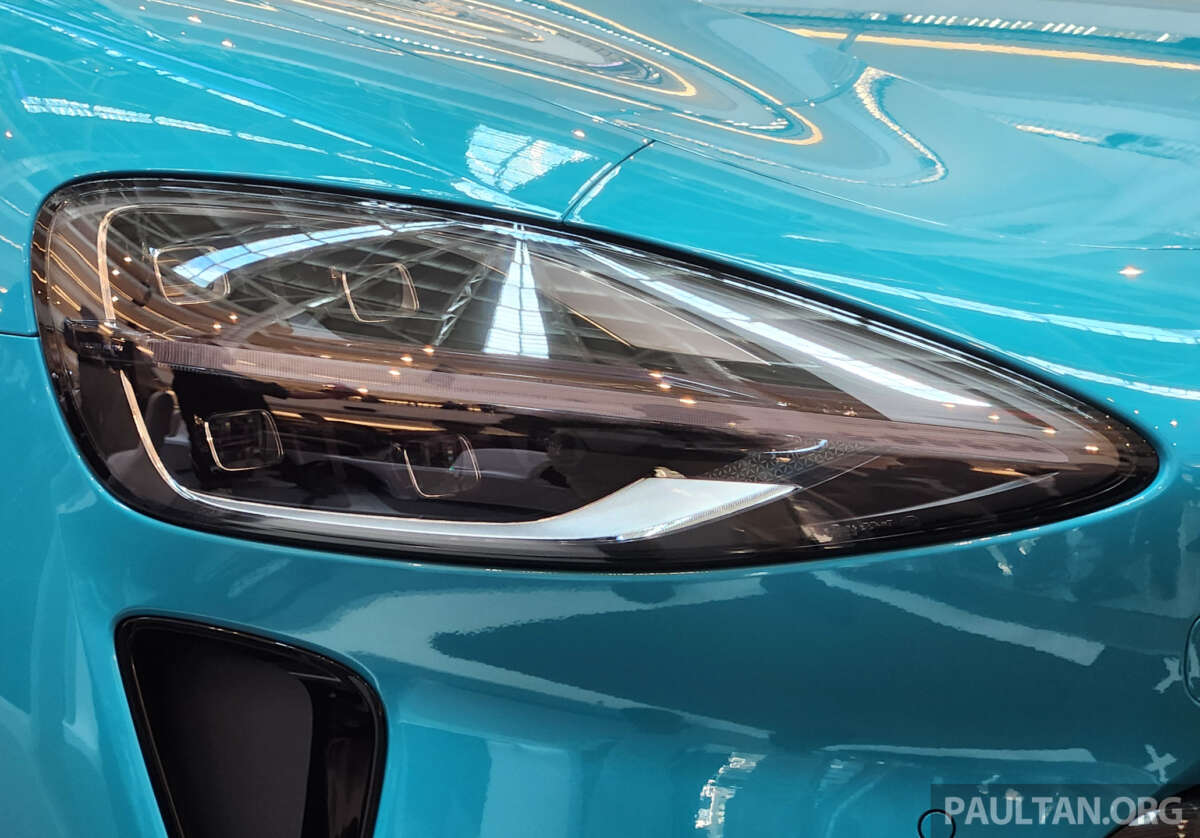
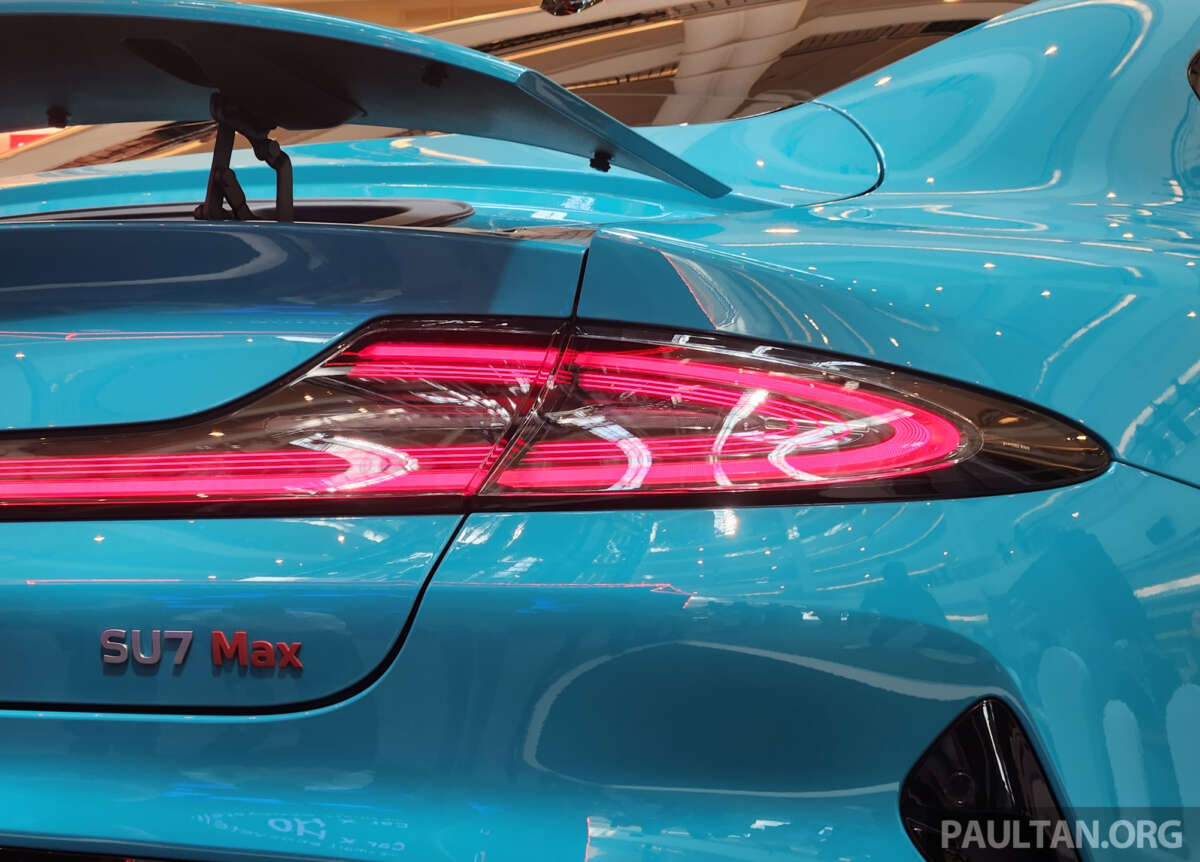
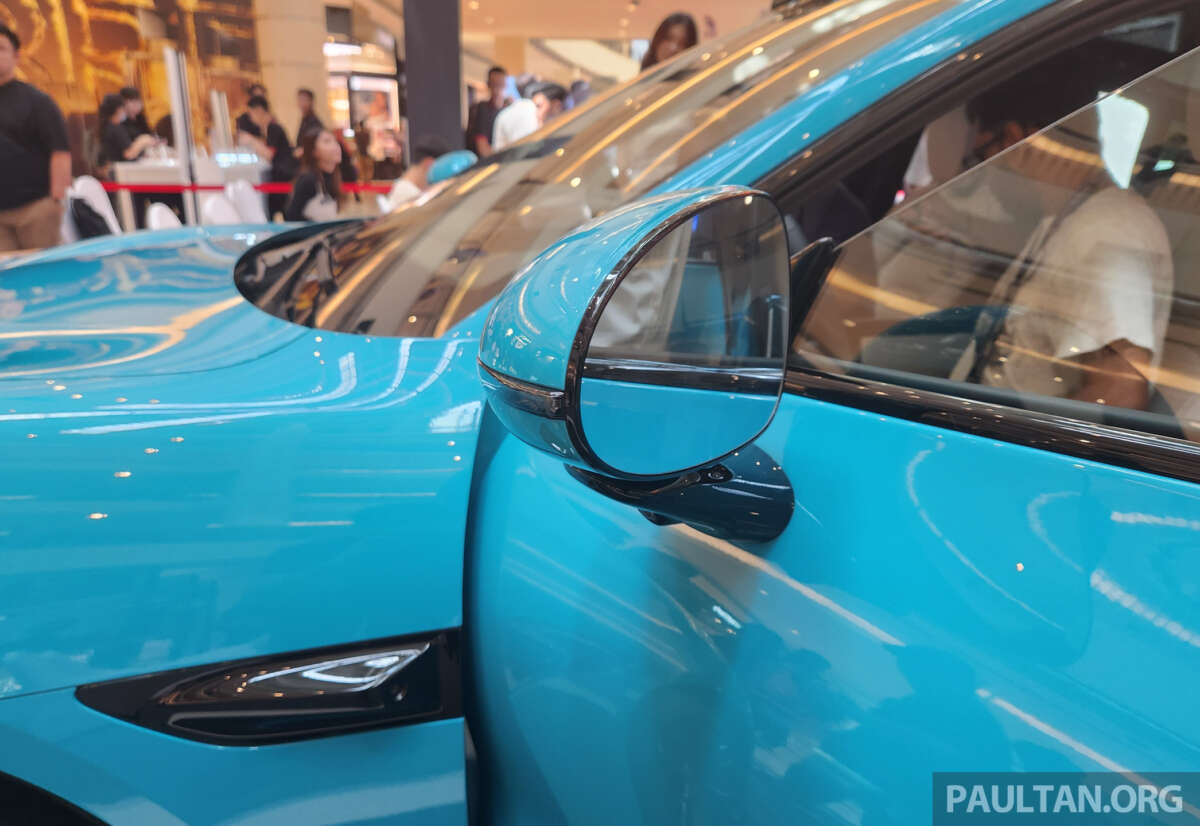
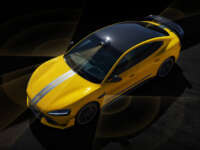
Distinctive cues on the sedan include triangular-shaped headlamps and wide-width taillights, the latter with C-shaped signatures. The body also gets various inlets, outlets, channels and a prominent diffuser element that serve to promote aerodynamics – the company claims a drag coefficient of 0.195. By the way, former BMW chief designer Chris Bangle was the design consultant.
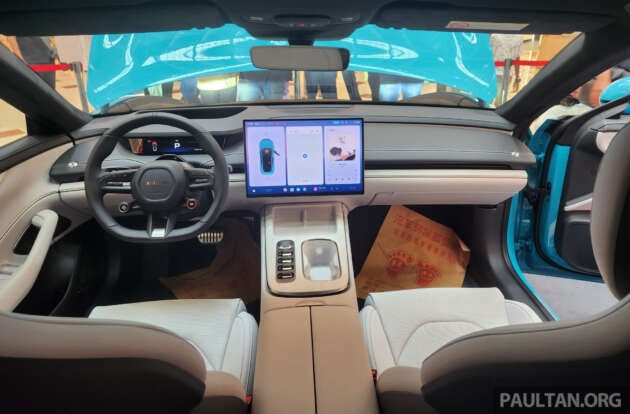
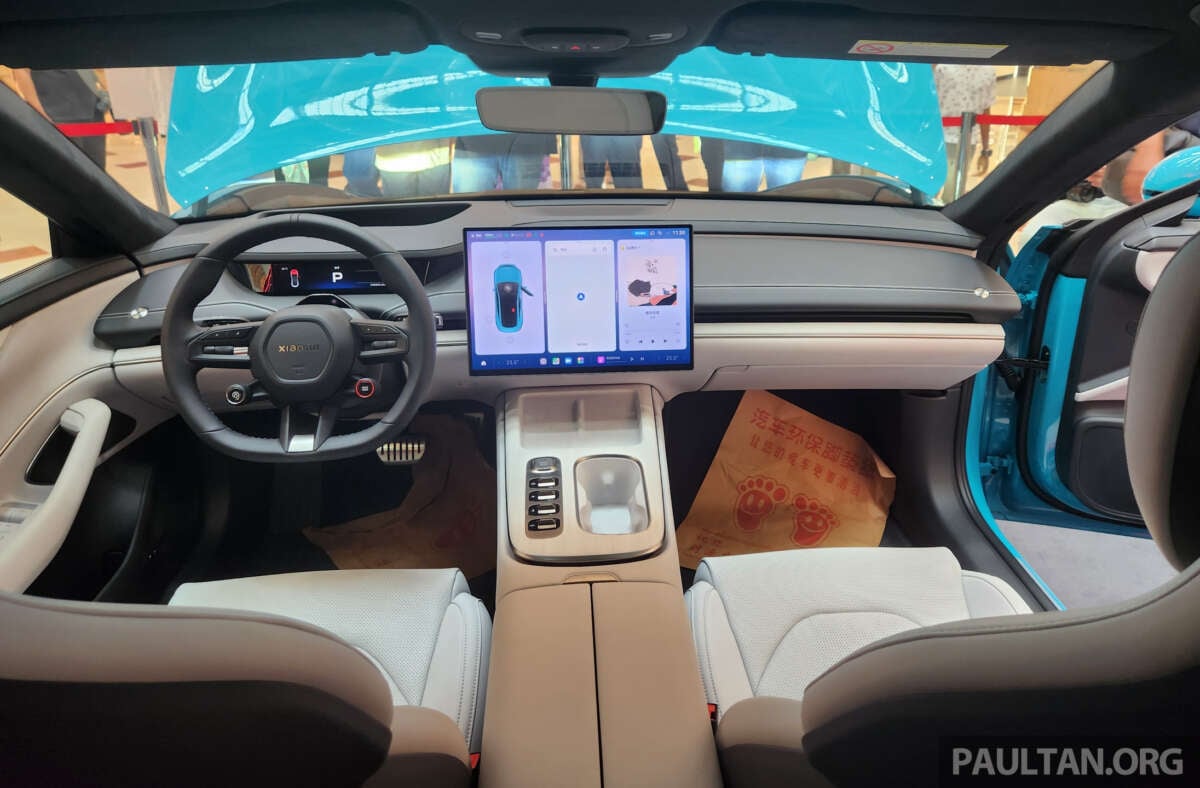
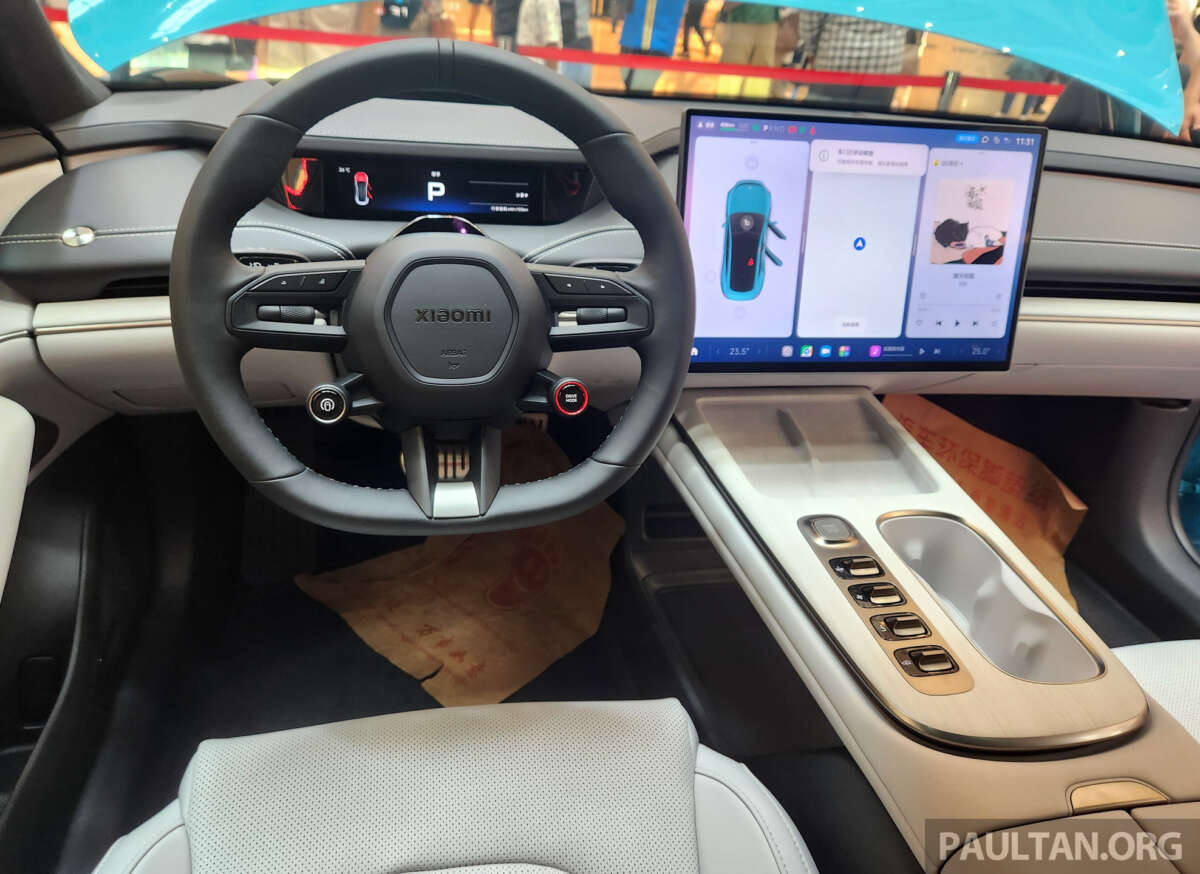
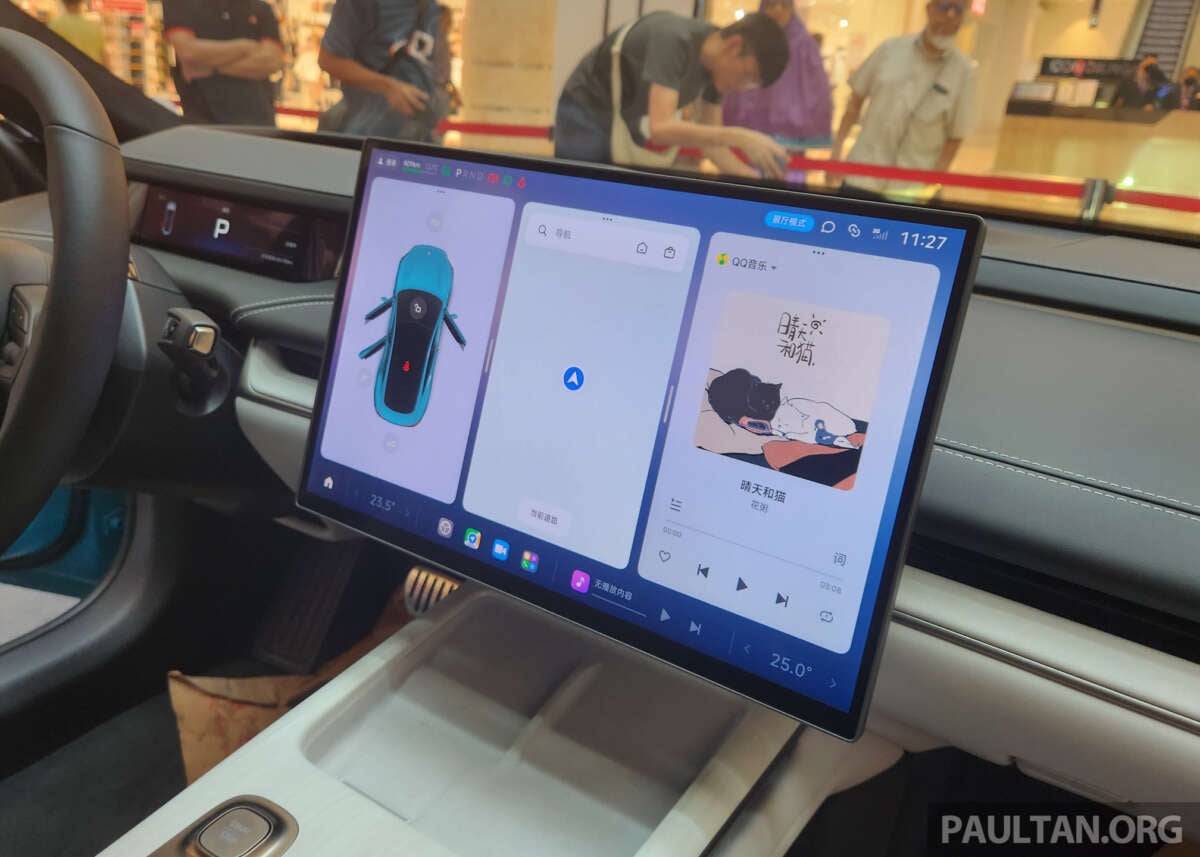
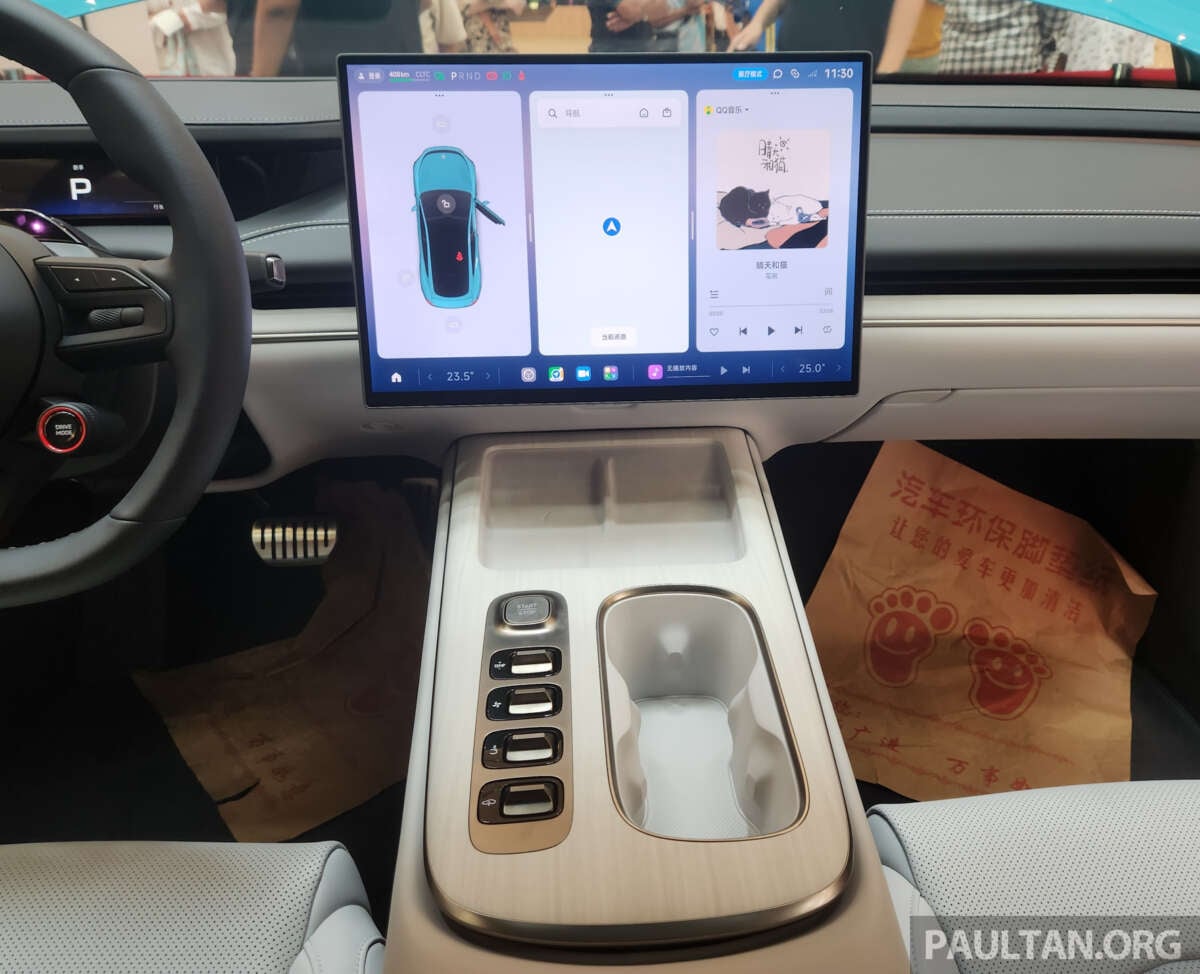
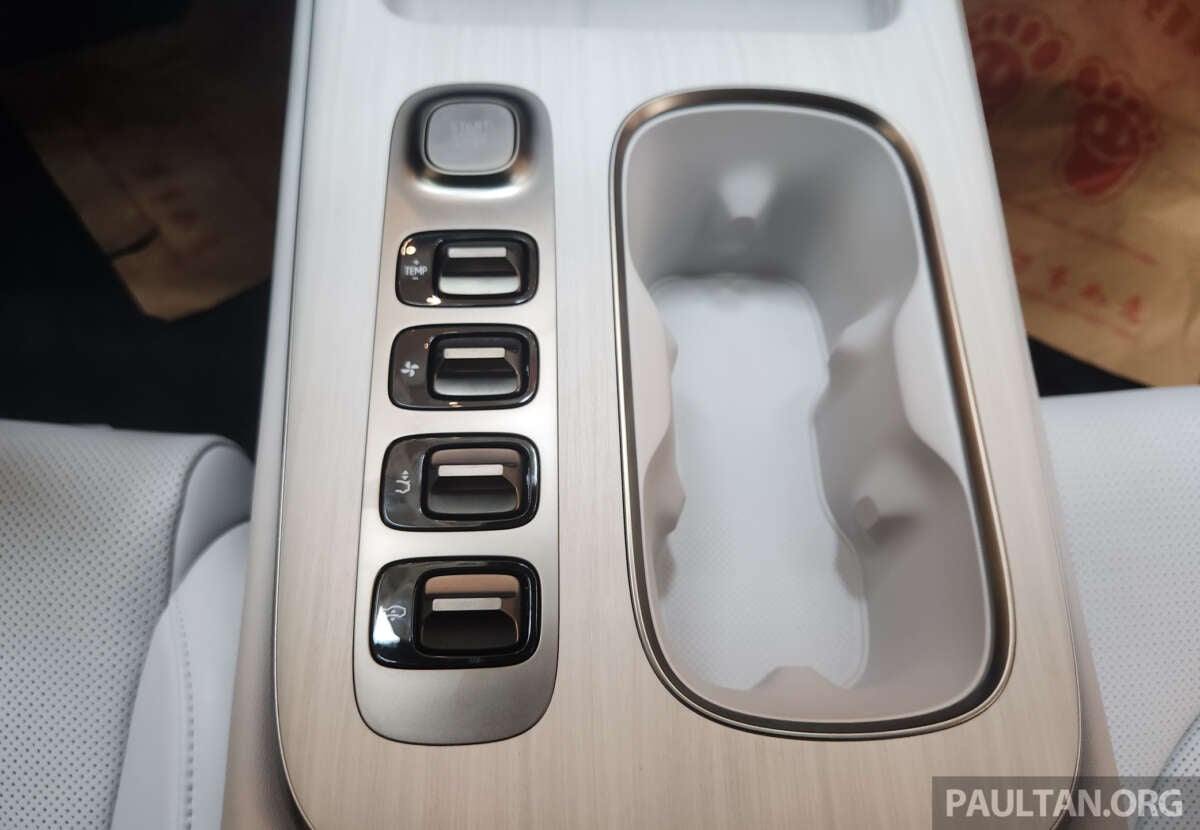
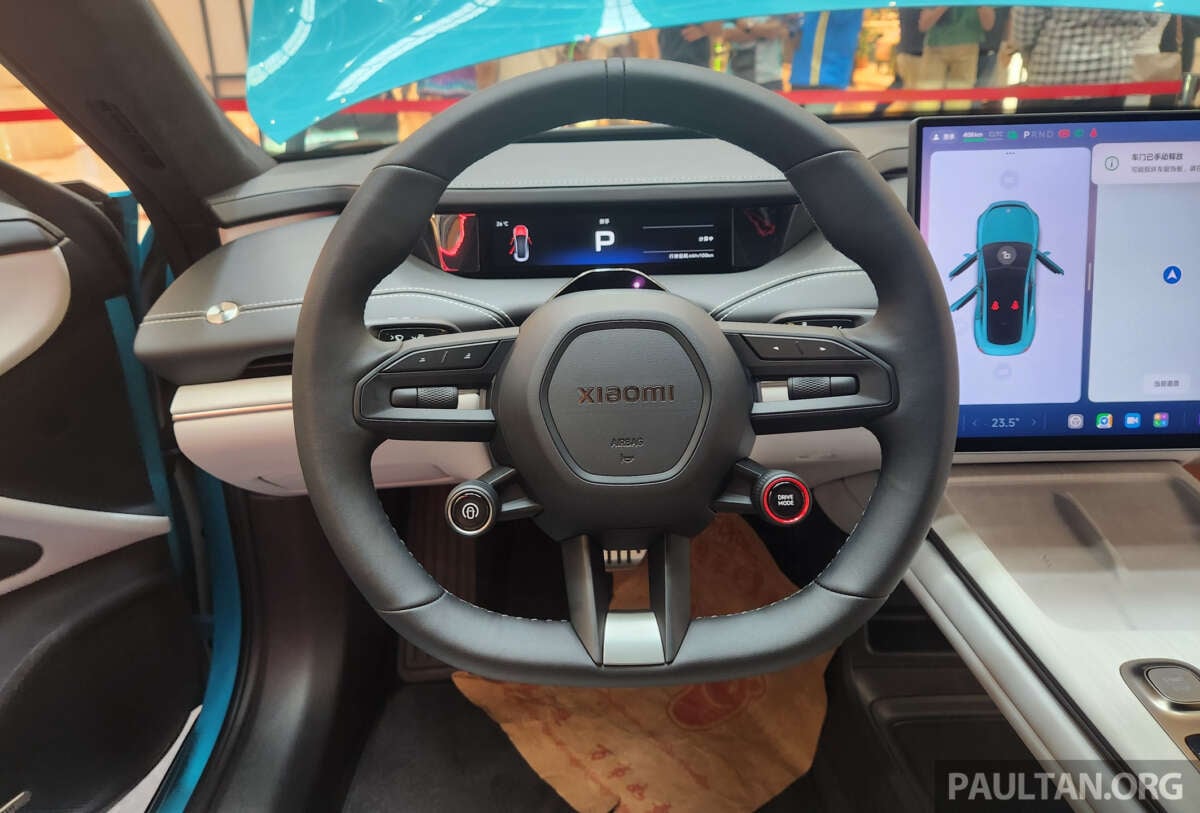
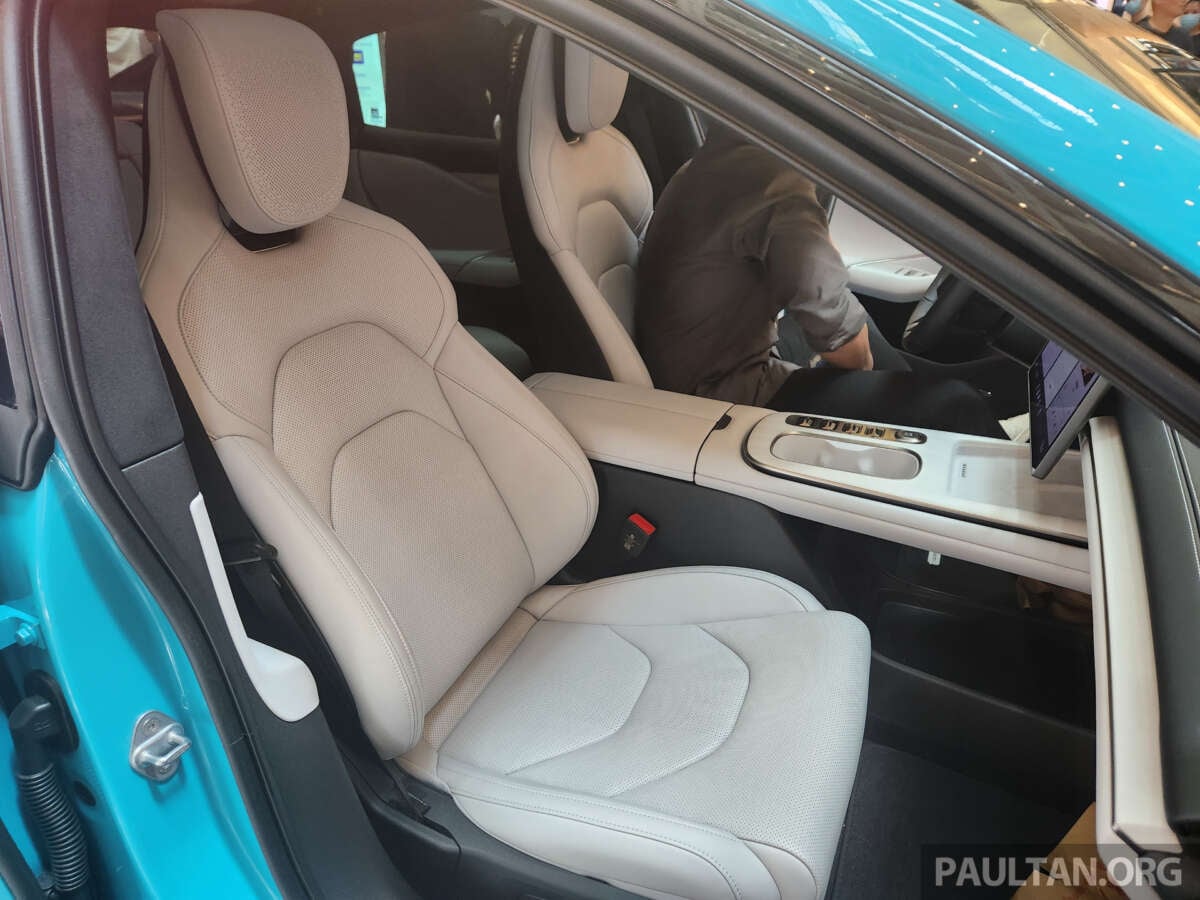
The minimalist interior carries a 16.1-inch centre touchscreen with 3K resolution, and Xiaomi opted to retain some physical controls on the centre console and steering wheel. A small digital instrument cluster ahead of the driver rotates into view, Bentley style, and the entire infotainment system runs on a Qualcomm Snapdragon 8295 system-on-chip and Xiaomi’s HyperOS. Apple CarPlay and AirPlay are supported.
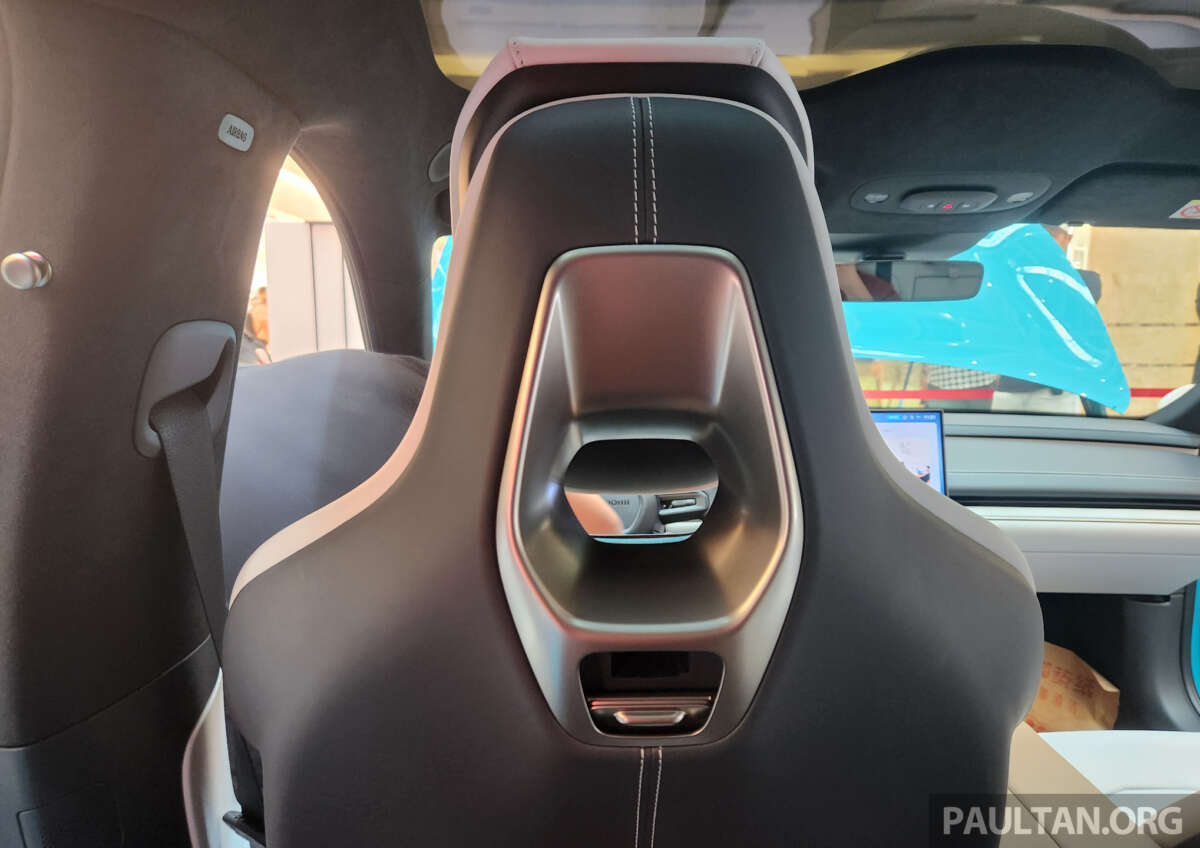
There are dedicated mounting points behind the front seat headrests to mount an iPad, which can be used to control various vehicle functions such as air-conditioning, seats and media playback.


The company refers to this integration as CarloT, which is a hardware ecology that is fully open to third parties. Those pinned mounting points for iPads can also be found in other areas of the cabin, allowing owners to add additional hardware such as another row of physical controls below the touchscreen or even Mijia products.
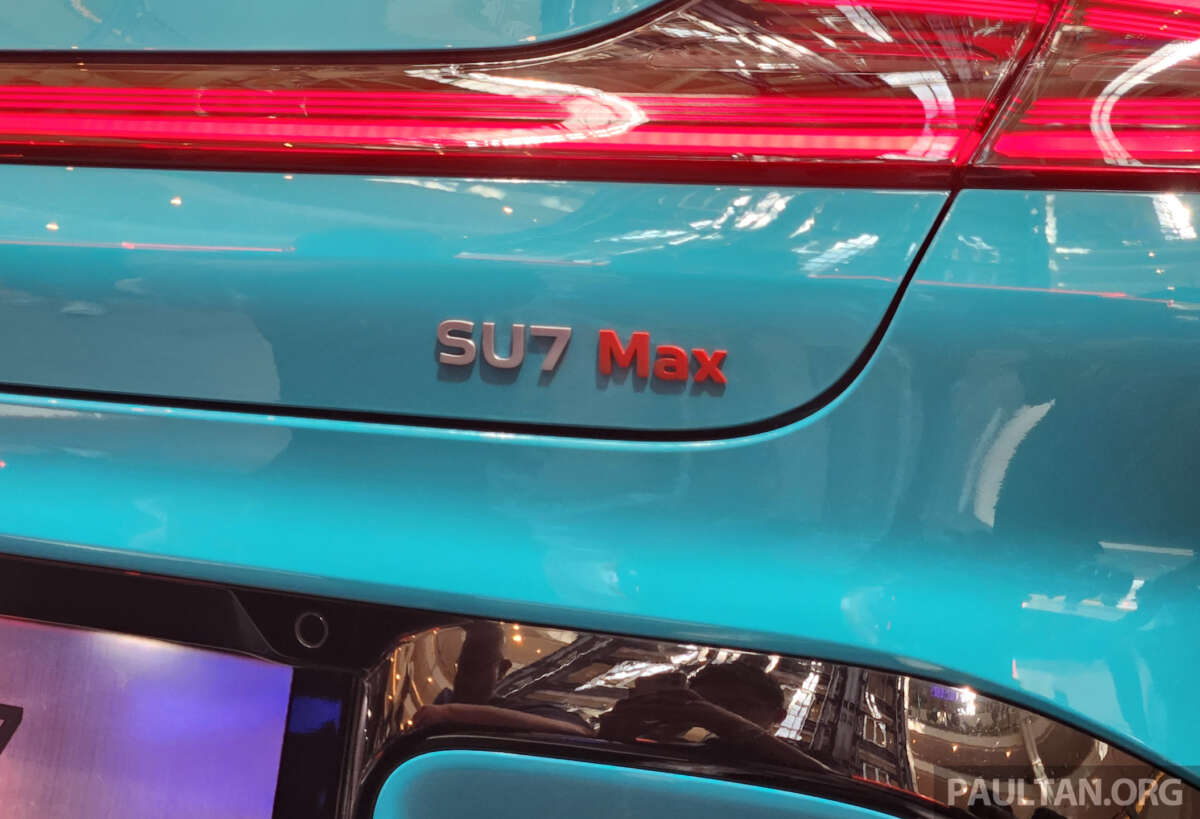
Three variants are offered in China: SU7, SU7 Pro and SU7 Max. The first two come equipped with a rear-mounted electric motor rated at 299 PS (295 hp or 220 kW) and 400 Nm of torque.
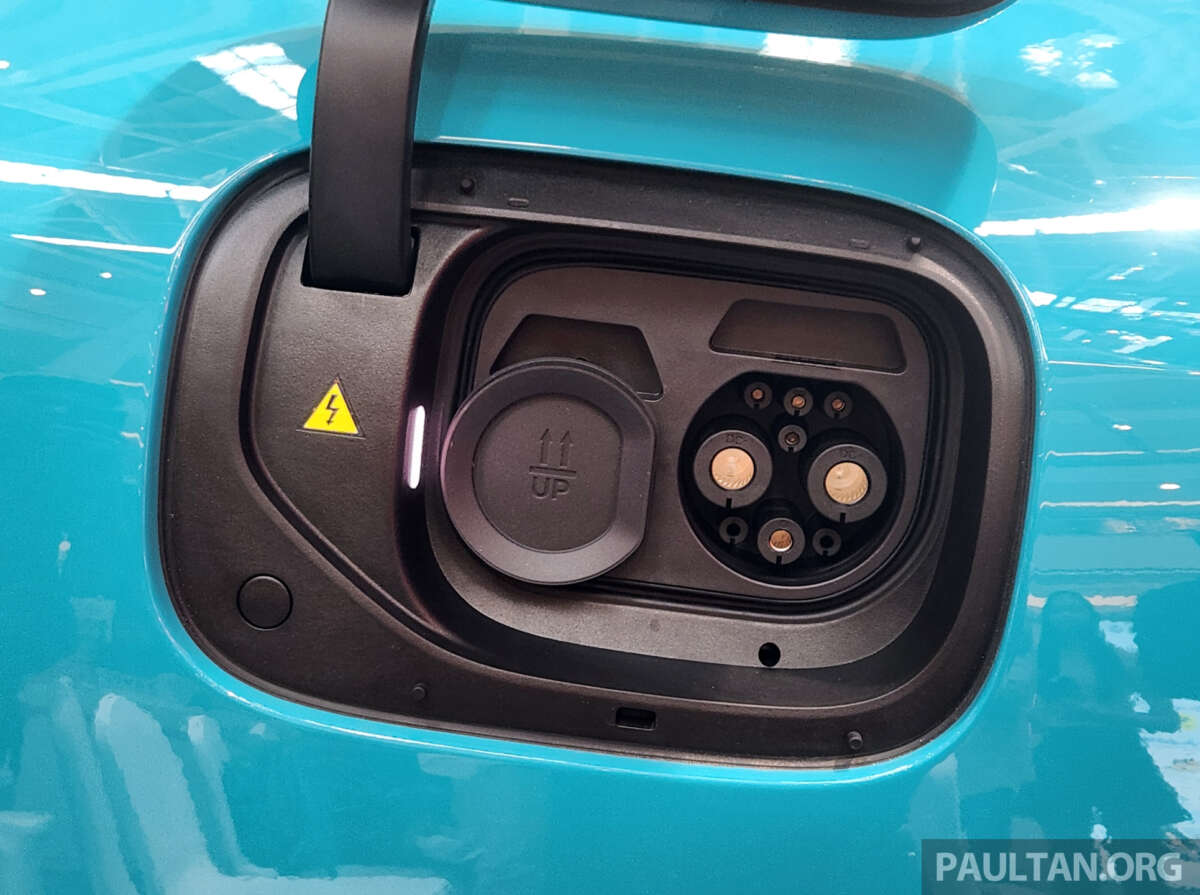
The entry-level SU7 gets a 73.6 kWh BYD FinDreams-sourced Blade lithium iron phosphate (LFP) battery, providing it with a CLTC range of 700 km. It will take 25 minutes to get the battery from a 10-80% state of charge (SoC) with DC fast charging – the SU7 is built on an 800V architecture.
As for the SU7 Pro, it uses a Shenxing nickel manganese cobalt (NMC) battery from CATL with an energy capacity of 94.3 kWh to offer the most range of the trio at 830 km (CLTC). The same 10-80% SoC with DC fast charging takes 30 minutes for the SU7 Pro.
Xiaomi says the first two variants in the line-up can recover 350 km of range with just 15 minutes of DC fast charging, and the duo share the same top speed of 210 km/h. The SU7 is a little quicker in a 0-100 km/h sprint than the SU7 Pro, taking just 5.28 seconds instead of 5.7 seconds.
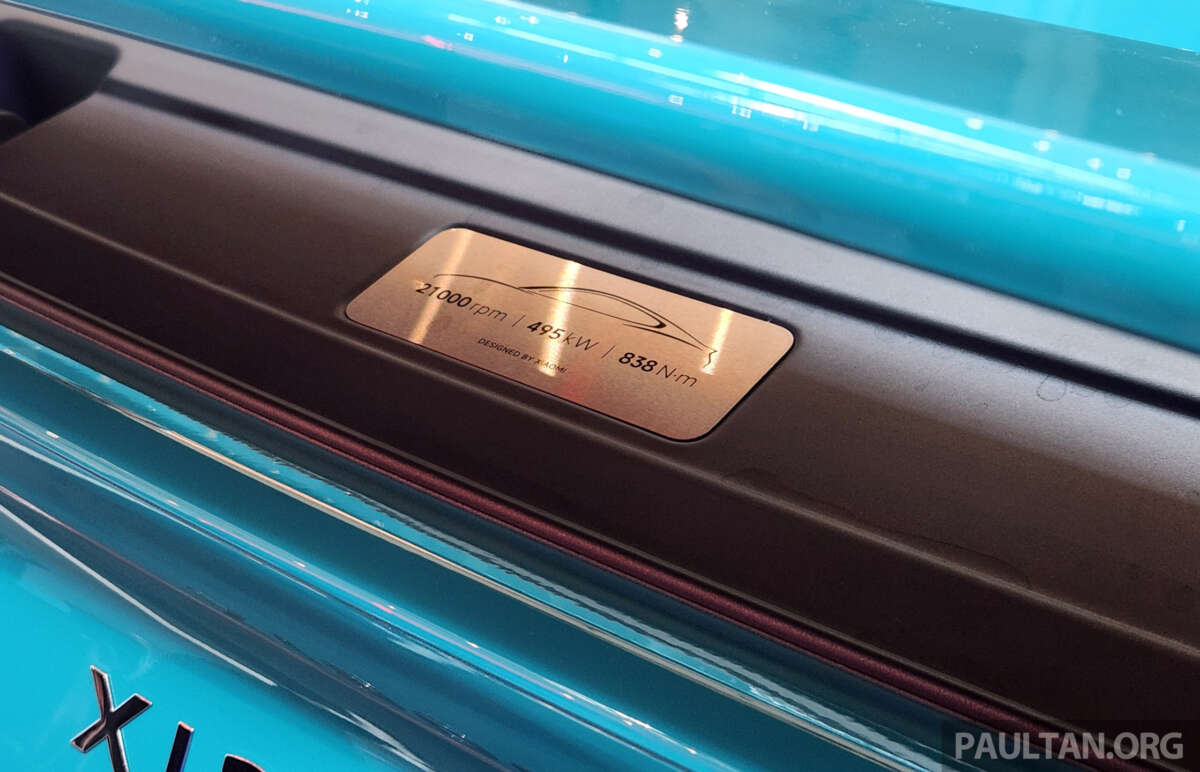
At the top of the pack is the SU7 Max that features an all-wheel drive, dual-motor setup with a total system output of 673 PS (664 hp or 495 kW) and 838 Nm. The rear electric motor is more powerful here, rated at 374 PS (369 hp or 275 kW) and 500 Nm, while the front provides 299 PS (295 hp or 220 kW) and 338 Nm.


Powering the electric motors of the SU7 Max is another CATL-sourced NMC battery, although the Qilin unit has a higher energy capacity of 101 kWh. The range-topper will complete the century sprint in just 2.78 seconds on its way to a top speed of 265 km/h, but this comes at the expense of range that is less than the SU7 Pro at 800 km.
The SU7 Max is faster than the Model S and pre-facelift Taycan Turbo to 100 km/h (updated Taycan Turbo does 2.7 seconds, Taycan Turbo GT Weissach 2.2 seconds). The company also says the SU7 takes just 33.3 metres to get to a dead stop from 100 km/h, which is 0.7 metres less than the Taycan Turbo.
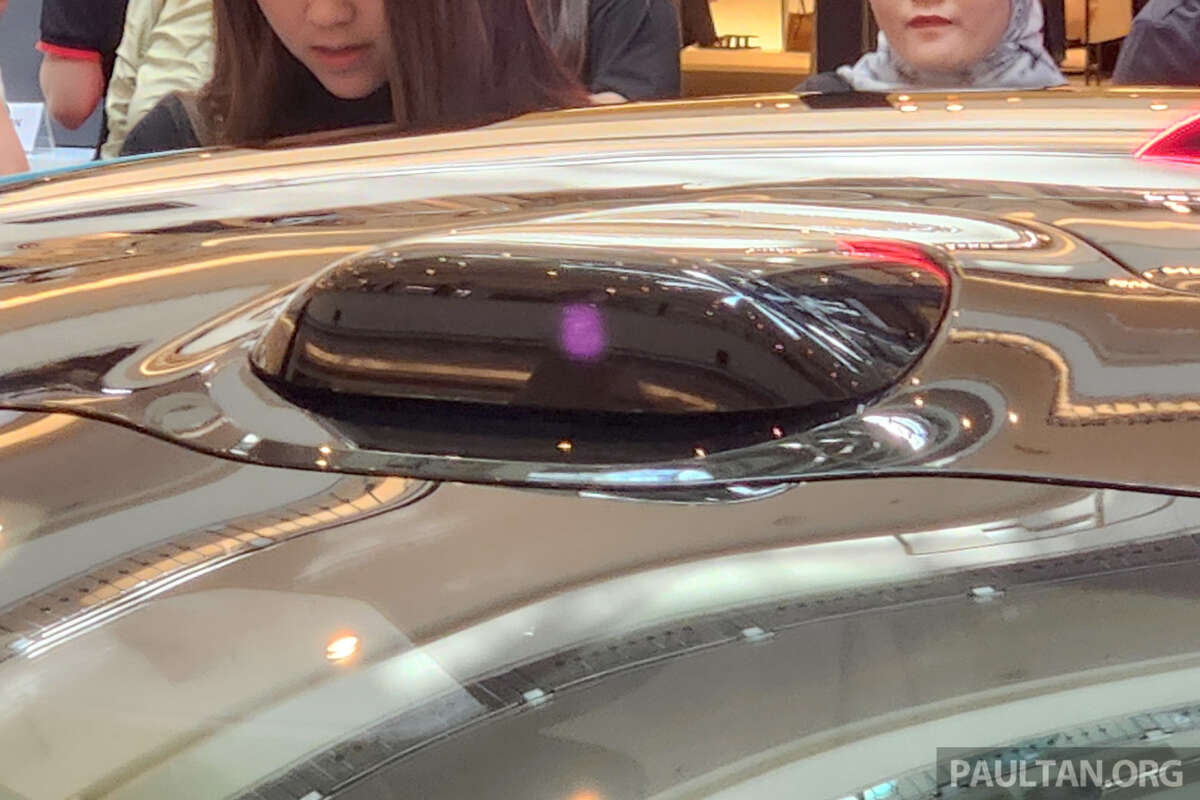
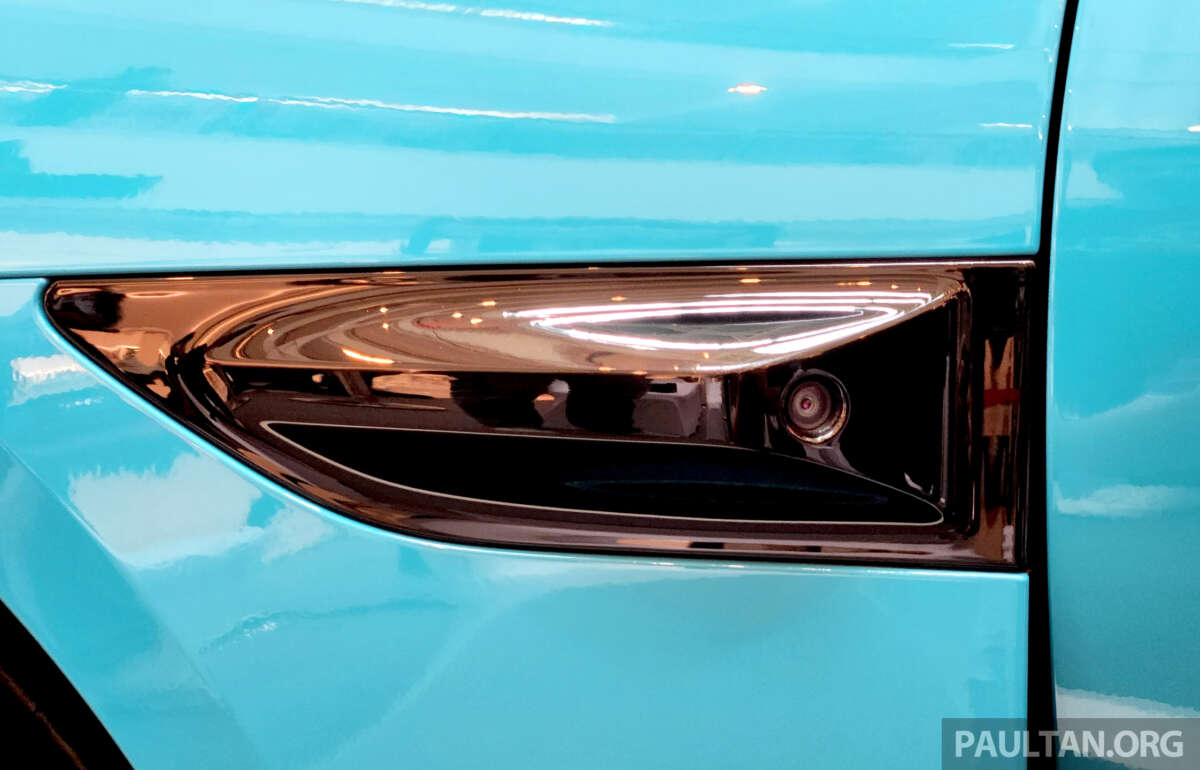
Other driving-related features include air suspension with adaptive dampers, an active shutter grille with 16 levels of adjustment and an active rear wing with four adjustment levels. On the safety and driver assistance side of things, the SU7 will come with Xiaomi Pilot as standard with 16 functions – two Nvidia Drive Orin SOCs provide 508 TOPS of processing power.


Xiaomi adds that the EV has passed 40 crash tests and core components are made of 90.1% high-strength steel and aluminium alloy (2,000 MPa) for a torsional stiffness of 51,000 Nm/degree.
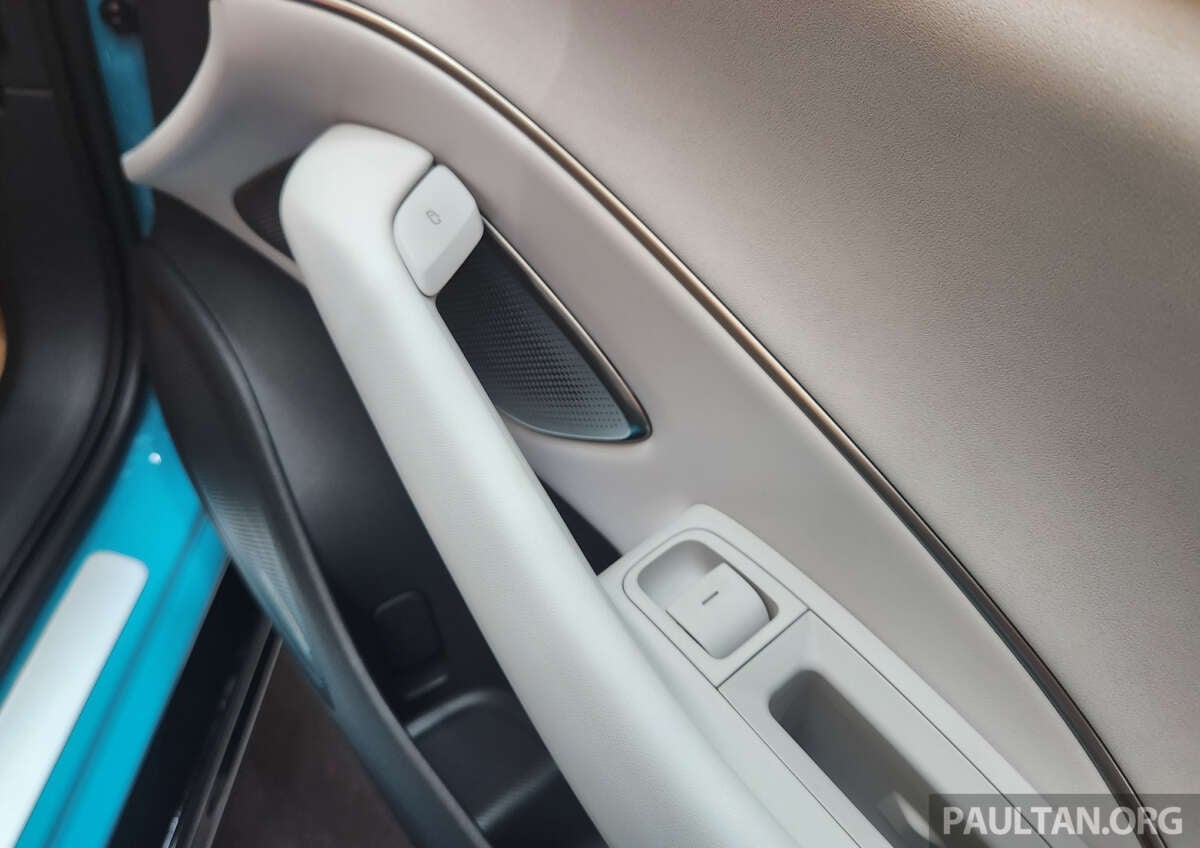
The SU7 is offered in nine exterior colours – Aqua Blue, Mineral Gray, Verdant Green, Meteor Blue, Radiant Purple, Basalt Gray, Lava Orange, Pearl White, Diamond Black – while the interior comes in either Galaxy Gray, Twilight Red, Mist Purple or Obsidian Black.
Xiaomi aims to become one of the world’s top five carmakers in the next 15-20 years.






I understand the need for the visceral experience in an ICE but RM200k for 2.78 secs 0-60 in a new car is mind blowing.
You will be faster after 100km/h in a GTR (3 year old@RM700k) but *for me*, I am too old to drive at >120kmh and I don’t track. Off the line is where it’s at and EVs are just too good value.
EVs will only get quicker and cheaper too
yeah yeah.. and EV distance greatly reduce when u drive above 110km/h and please charge it max 90%… you cant win the long race to ICE on road….
Hello 800 km distance range, how can you said not win, have you tried one?
It is simple, do you dare to use this car run against BMW 330i on NSH from KL to Penang? Please guess who will win? Let drive 160km/hr for 10minutes, look at electric level, you will go back to 90km/hr in order for you to reach Penang safely!
the 330i will breakdown before simpang pulai
Point out any part of what I said that was wrong
Hopefully all get through the first 39km
Dream car
WOW Toyota fanboys now attempting to dislike the people who want to try out….bagus la jealosy toyota fanboys
My favourite car…wish could have one
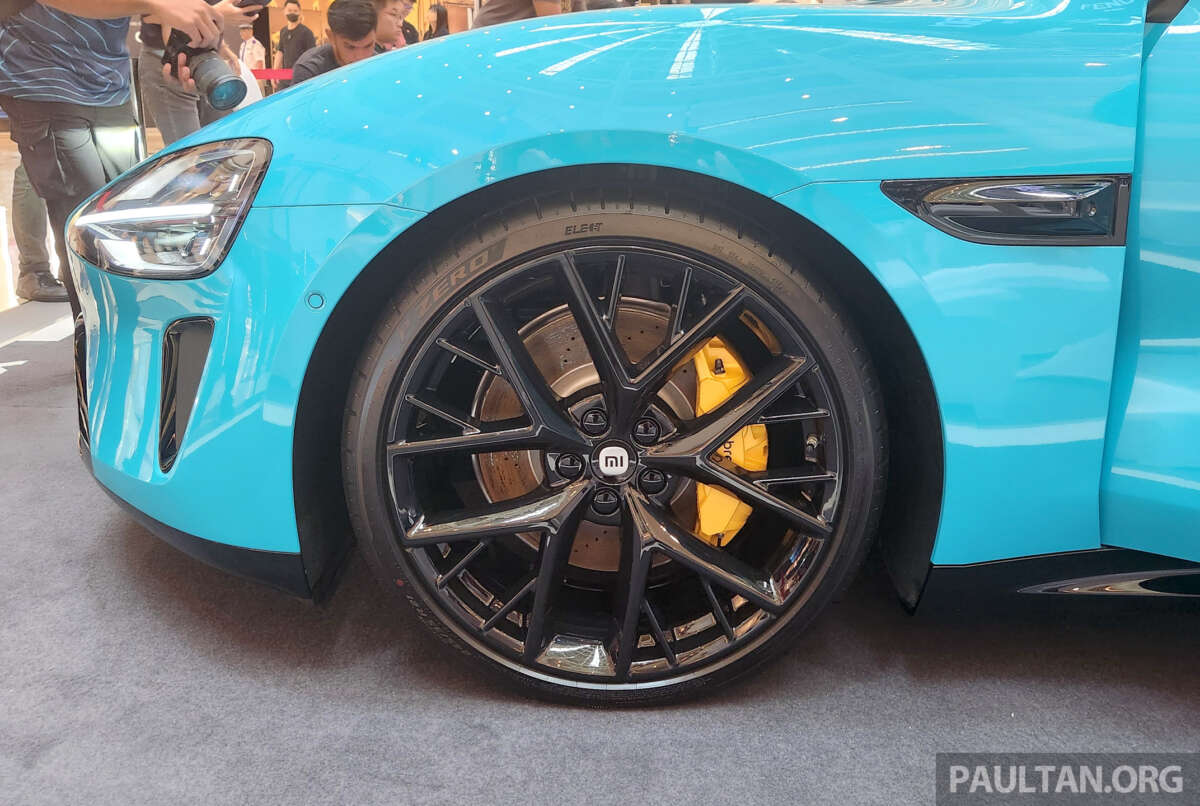
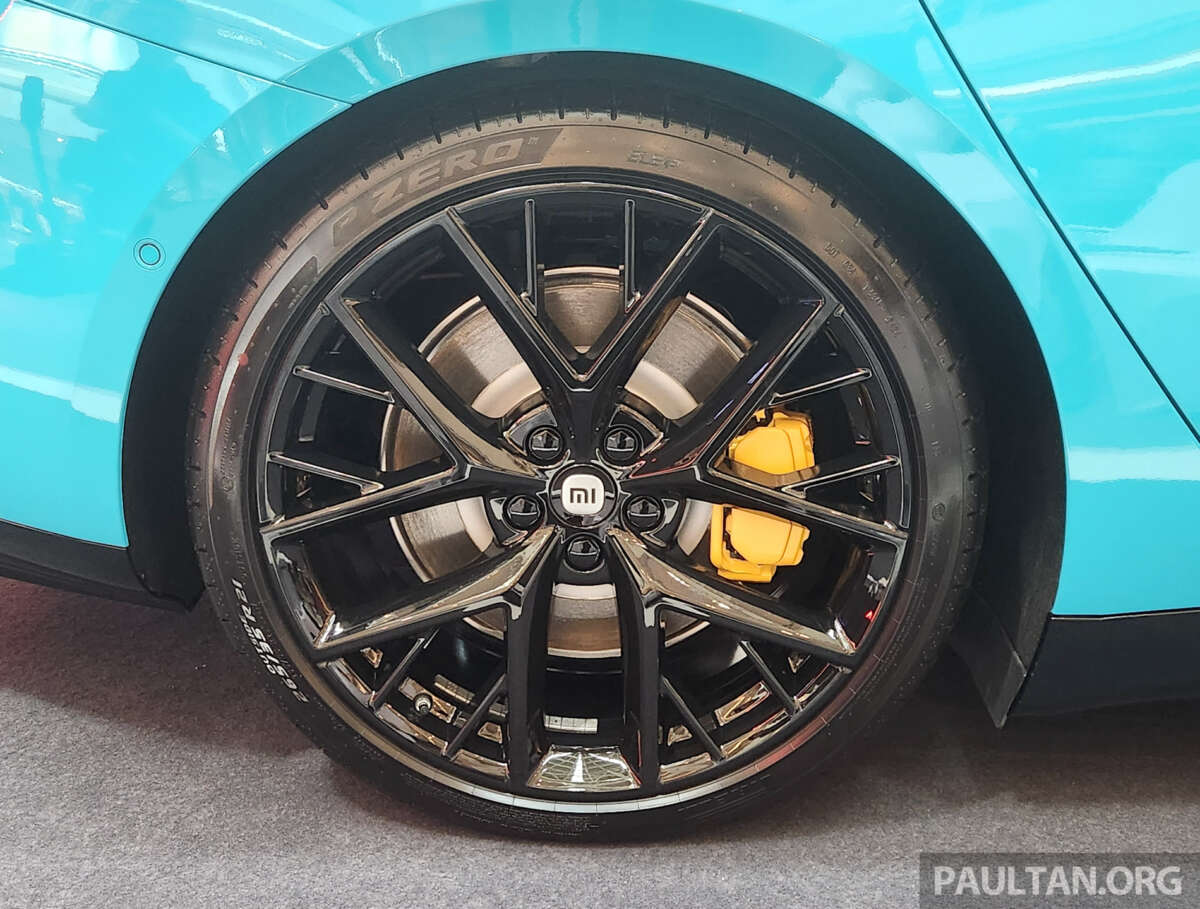
Enthusiastic buyer bought this SU7 surely upgrades to AP Racing braking system plus cooling kit
Brembo fitted not ultra performance brake kit?
Chinese content maker tracked it and the brakes failed after 2 hot laps. He wrecked it straight into a wall
Yikes! Lousy Brembos
car weight 2500kg
LOL any well-informed buyer will never consider this. This car is a nightmare in China with buyers facing endless problems. Safety features don’t work. Autonomous driving aids cause accidents. Airbags don’t deploy in a collision. Doors can’t open after a crash or an electrical fault. The list is endless. A recent video surfaced of a head-on collision with a large overlap. The Xiaomi was totaled while the other car it smashed into still had an intact passenger compartment. It’s a total death trap.
It’s only claim to fame? Supercar-like acceleration. It has nothing else going for it..
All cars have problems. Nothing is perfect.
Donkey, how does the koolaid taste like? You know, since you been spewing propaganda
LOL so actual videos and rants by disappointed owners are now considered propaganda? Tell it to that dead person whose SU7 doors can’t be opened by rescue workers after a crash, losing precious time. Oh ya BTW the death is caused by serious injuries because none of the SU7’s airbags deployed.
Very attractive
WOW….WOW
Wait…Designed by ex bmw former….wow i love it
Going to eliminate all ICE and EV vehicles in our market, from the most basic to luxury models.
They fixed the brake problem already? What’s the NCAP rating?
And have your Japanese car fixed so many issues like recalls for tons of parts. Nothing to complain when Japanese car quality looks worst nowadays than any cars from any other countries and this
Stay on topic. Deflecting won’t make the problem go away.
Why entry level model is getting safer batteries than the Pro model?
probably nmc is more suitable for performance i think
Can elaborate why it’s safer
Lesser risk of thermal runaway compared to nmc.
More futuristic and well innovated than new Japanese cars.
BEV is new and already doing 2.78 sec. Nobody talks about ice supercars or JDM anymore when it comes to speed and best thing is it doesn’t cost a fortune. Top speed you say ? Give it another few years and bev will beat that too.
0-100 is a small fraction of automobile. There are handling, endurance, safety, ride comfort, repairability, parts availability and if you expand further, range anxiety level, time taken to refuel/looking for place to refuel.
seen lots of douyin that this brand have sus panels,
got the urge to tap those parts.
Remember the fire incident on 16th Sept, Nanjing. SU7 collided during a test drive and burnt immediately, 3 people almost died.
No big deal, just take 3 tablets panadol and a wonderful flowers bath everything gonna be fine again
headlamps are too big, logo is fugly and cheap-looking
No doubt that electric motors are here to stay, however a hybrid system will be the ideal setup in the long run, it may not be a hybrid using fossil fuels, some exotic fuel alternatives perhaps? At least minimize the range anxiety, maximize convenience & safety should be the key priority.
can already do 600-700km range suits 99.9% of use case.
unless u planning to drive from kl to hatyai?
Bring this to Malaysia will sell like Pisang goreng