
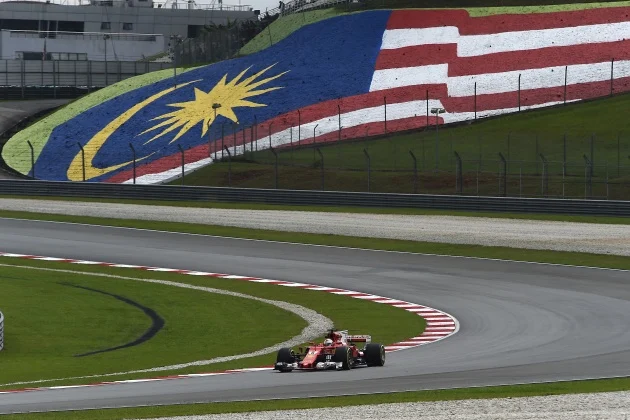
The return of Formula 1 to Malaysia, as a one-off stand-in for the Bahrain Grand Prix on October 4, is expected to bring positive economic spillover to the country via the tourism sector and related industries.
According to former Sepang International Circuit (SIC) CEO Datuk Razlan Razali, the selection of Malaysia to host this year’s Bahrain GP due to the current war situation in the Middle East is a good one.
“If we look at the discussions about alternative circuits including Portimao (Portugal), Malaysia is seen as the best choice for costs savings. Whatever the form, whether as the Bahrain GP or otherwise, it still brings benefit to Malaysia as the rakyat gets to enjoy F1 again,” he told Bernama yesterday.

Razlan said that the Sepang event, which will slot in between the races in Azerbaijan and Singapore in the F1 calendar, is not expected to cause much of an operational issue for SIC despite the short notice, as our track doesn’t require major modifications to host an F1 race, while any infrastructure upgrades depends on Bahrain, which is footing the bill.
“SIC is always managed and operated according to the highest standards, certified to be of the highest tier by FIM. FIA only needs to inspect it, as currently, the circuit is not certified for F1, but I’m not expecting any big technical issues.
“Any changes to the track won’t have a significant impact on car racing. And operationally, there’s not much to be done unless Bahrain wants certain upgrades that also benefits SIC, infrastructure wise. In my opinion, the current facilities is adequate,” he said.

Will this surprising development open the door for F1’s return to Malaysia on a permanent basis? Razlan says that chances are ‘quite slim’ as organisation costs are high, unless prime minister Datuk Seri Anwar Ibrahim wants to look deeper into it while the race is happening.
“Im confident that avid F1 fans from all over the world will try their best to come to SIC. As to how big the (economic) impact is, it can only be evaluated when the race happens,” Razlan said, adding that he’s confident that the race will get good response from Malaysians despite the price of tickets, which is expected to be high. The selling of tickets, advertising and promoting the race is under Bahrain’s responsibility.
Full story on the ‘Bahrain Grand Prix in Malaysia’ here. The last time F1 came to Sepang was in 2017, and you can recap that memorable race – won by Red Bull’s Max Verstappen on his 20th birthday – here.


And most importantly good for politics and better yet telling how good is it for the country before calling election next year
as long as Malaysia Govt does not need to foot the bills and we will be paid by Bahrain
yall need to thanks trump for this, because he started the war with iran
Because they know permanent return = F1/Liberty Media grabbing money from the government.
Let this be a one off thing. From 2027 onwards, just move on without it. Spending close to 1 billionRm annually to host F1 for a few days is beyond our means.Ajibkor n Joe Low already caused our nation 51billion Rm. That translates to 51 HKL size hospitals for our aging healthcare.