

Volkswagen has unveiled the Mission Efficiency concept, claimed to be the world’s most efficient near-production electric car. Built on the MEB+ architecture that underpins the ID. Polo, the Mission Efficiency concept was driven on an officially documented test drive over a distance of 1,278.36 km.
The Mission Efficiency concept draws from the approach of aerodynamic efficiency as used by the XL1, which was claimed to be the most fuel-efficient and most aerodynamic car when it was released in 2013.
The efficiency test route for the Mission Efficiency concept ran from the Volkswagen development centre in Wolfsburg, Germany through Poznań, Poland and Olmütz in the Czech Republic to Vienna, Austria, attaining a consumption rate of 7.51 kWh/100 km including charging losses (6.89 kWh/100 km without charging losses).
The test route was completed at an average speed of 67.72 km/h, with a highest recorded speed of 138 km/h, and the Mission Efficiency concept arrived in Vienna with 164 km of range remaining.
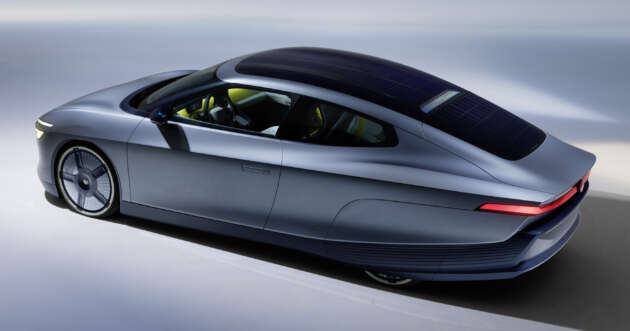
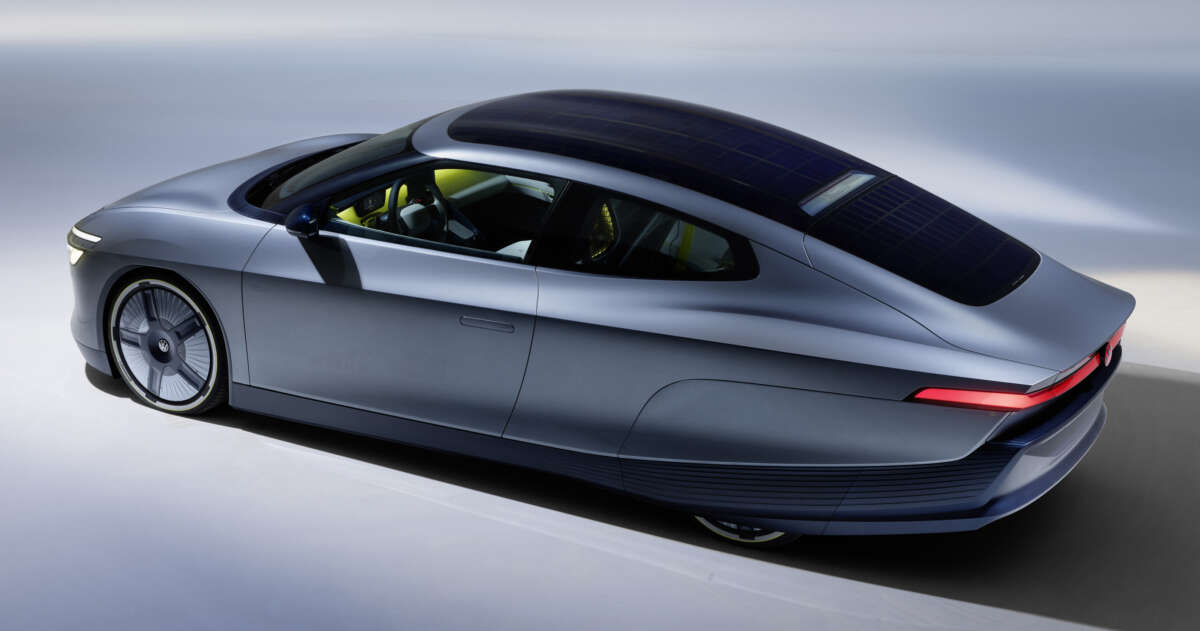
Also drawn from the ID. Polo for the Mission Efficiency concept is the 135 PS version of the electric drive motor and 54.9 kWh (nett) battery, the while its bodywork has been designed for especially low air resistance, with a frontal area of 2.08 sq m and arriving at a drag coefficient of 0.158.
Bodywork features on the Mission Efficiency concept include active cooling air flaps, clad rear wheels and a fully clad underbody, as well as door handles which are integrated into the door skins for optimised air flow, says Volkswagen.
At speeds above 80 km/h, energy consumption is over 30% lower that the standard version of the ID. Polo, and at 140 km/h the Mission Efficiency concept consumes as much energy as the ID. Polo does at 100 km/h, according to the manufacturer.


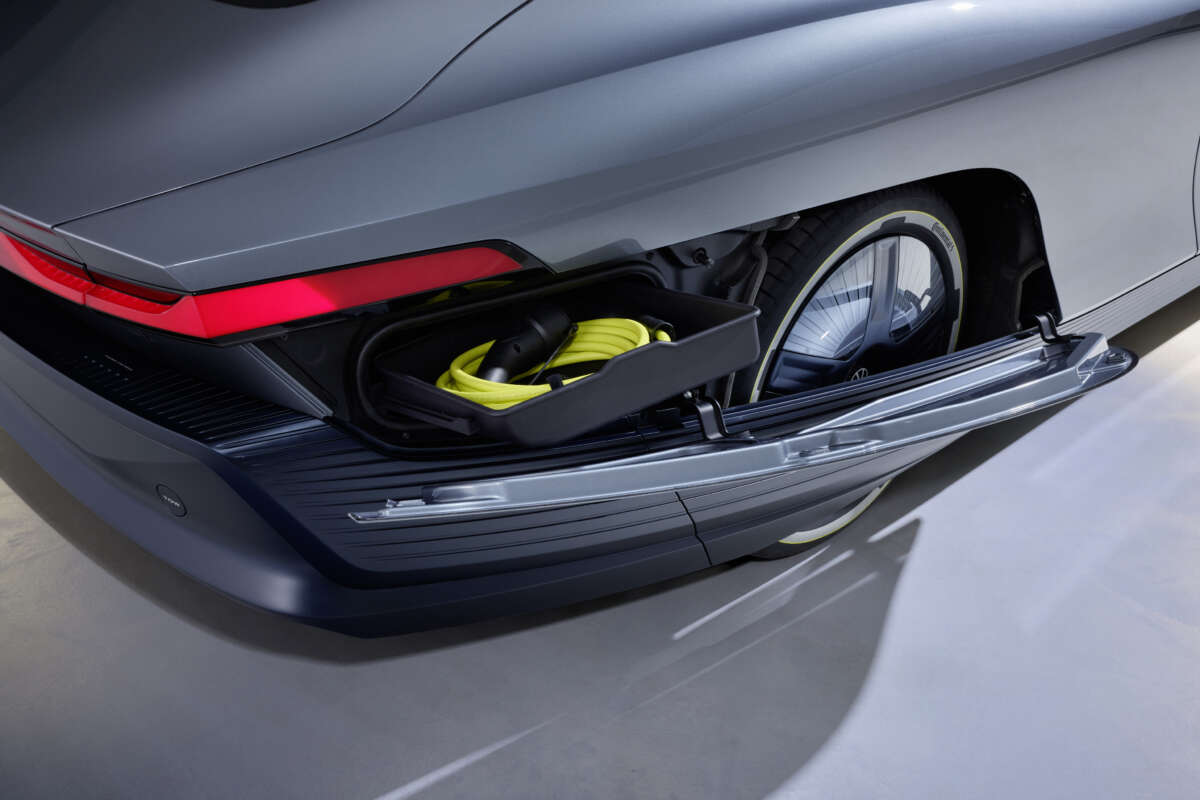
Measuring 4,775 mm long and 1,392 mm tall, the Mission Efficiency concept offers a 2+2 seating configuration and luggage capacity of 481 litres, in addition to stowage compartments beneath the rear seats and in the sides of the body for the charging cable and other items.
Wheel and tyre packaging on the Mission Efficiency concept have also been optimised for energy consumption, with the car’s front wheel arches packaged closely around the tyre to reduce turbulence within the wheel housing.
New, patented rim deflectors are used on the inside of all four wheels, preventing air from entering the rims and causing turbulence, while the outside of the wheels feature a flat, flow-optimised design.


Tyres on the Mission Efficiency concept are concept tyres by Continental, based on the EcoContact 7 series. With a rolling resistance of 4.9 kg per tonne, this is around 25% below the threshold for the top EU Class A rating. The tyres’ sidewalls and tread compound have been optimised to minimise energy losses.
Contributing to its energy efficiency is a photovoltaic system with a power output rated at 370 watts, and this is integrated into the glass roof and boot lid of the car. Depending on conditions, this can increase real range by up to 30 km per day, says Volkswagen.
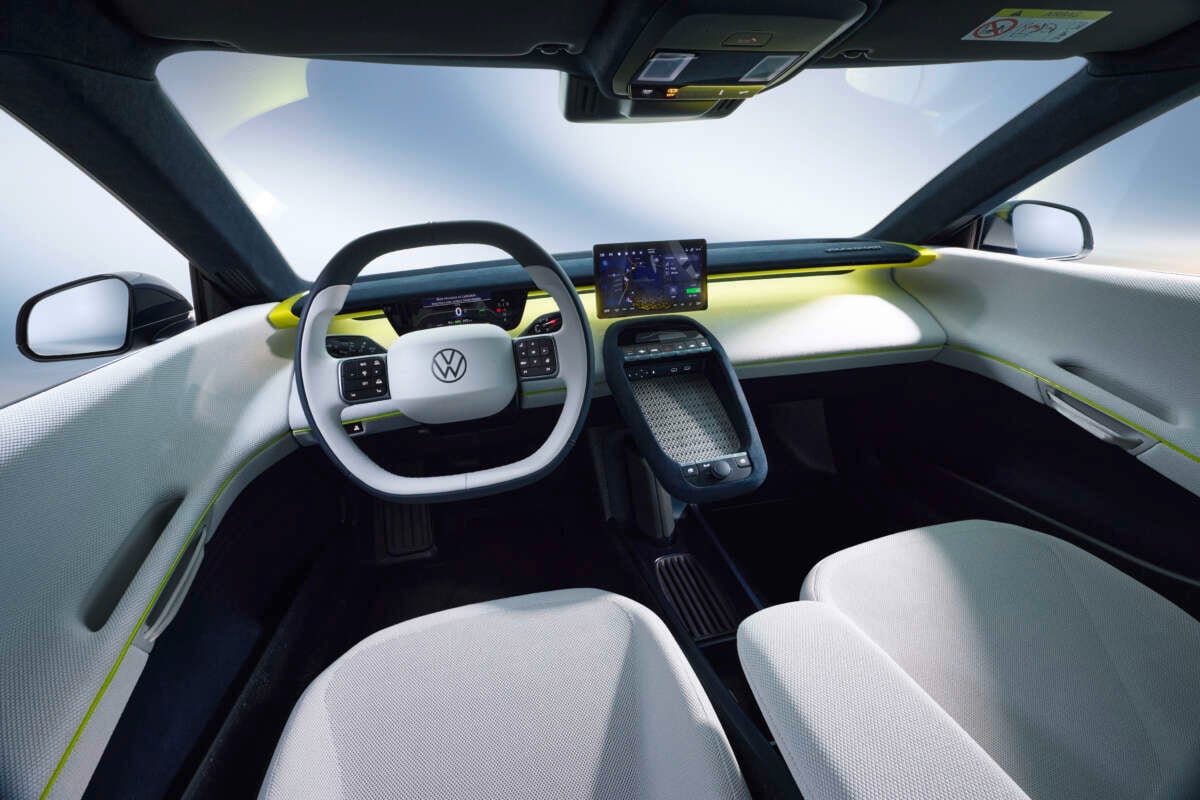
Further weight reduction measures include lightweight interior panelling, while a mobile Bluetooth box substitutes a speaker system that has been omitted from the Mission Efficiency concept. For further weight reduction, the user’s smartphone or tablet takes the place of the car’s infotainment display.








 Volkswagen Tayron
from RM190,660
Volkswagen Tayron
from RM190,660  Volkswagen Golf R
from RM338,812
Volkswagen Golf R
from RM338,812  Volkswagen Golf
from RM185,990
Volkswagen Golf
from RM185,990  Volkswagen Golf GTI
from RM244,012
Volkswagen Golf GTI
from RM244,012  Volkswagen Touareg
from RM384,972
Volkswagen Touareg
from RM384,972  Volkswagen Arteon
from RM291,012
Volkswagen Arteon
from RM291,012 

Wawasan 2030 by VW’s concept,
everyone rushing to meet Paris Agreement Sustainable GREEN Emission.
remove the side mirror will have mor impact rather than covering up the rear wheels
A few points:
1. The back is reminiscent of the Peugeot from the 60s and 70s. Still love it.
2. It looks great in the pics – but how does it look in the metal? Aye, that is the question, isn’t it?
3. We get so many of these concept car pics – and yet the reality is so different. This one says near production but… (sigh!)
4. When you drive at 67+ km/h, you certainly can travel far. Remember when Nissan Grand Livina’s Malaysian agent ran this contest on who can drive the furthest with their car? The winning car did a hefty 1,300+ km by driving extremely slow, switching off the aircon, entertainment system, etc. In a similar vein, these fellas drove this car at 67+ km/h and a spirited one at 138 km/h. I am sorry, but I really don’t see the point of this whole exercise. Distance you say? Listen: if I took my trusty Perodua Viva and drove at 20 km/h, I can bet you I will drive quite far too.
actually the optimal speed of your perodua viva where it consumes the least fuel is around 60-70km. go any faster and wind resistance kicks in . go any slower and you will drop below 5th gear at 1500rpm.
ccp producing fantastic cars with rotating seats and raising roof. meanwhile VW producing this comedy junk