

In a bid to catch up with Chinese carmakers and their speed in deploying vehicle models to the market, Japanese automakers are stepping up efforts to shorten their vehicle development times to better respond to competition as well as changing customer demand, Kyodo News reports.
The change in delivery speed is crucial, given the current landscape. Toyota, Honda, Nissan and other Japanese carmakers typically spend around four to five years developing a new model, more than twice as long as the less than two years taken by Chinese companies.
For Nissan, the company is aiming to slash development times under its new family-based vehicle development strategy, speeding up the process by designing a common platform for multiple models of the same size.
For example, it plans to shorten the lead time for developing a new SUV model to three years and one month for launch in North America in 2028. It will then use the same platform for the SUV for its derivative models, enabling it to reduce development time by up to 40% to two and a half years.
The new product strategy will cover 80% of the company’s global sales and is expected to cut the number of part types by 70%. According to Hidemi Sasaki, deputy general manager of Nissan’s product planning division. this reform will ensure the company responds to changes and delivers good cars in a timely manner.
Meanwhile, Honda, seeking a V-shaped recovery from its first net loss in the last fiscal year, has introduced the “Triple Half” approach designed to halve the development costs, timeframes and workloads from 2025 levels. Making full use of artificial intelligence and other digital technologies, the new initiatives will begin with new model developments the company will start in 2028.
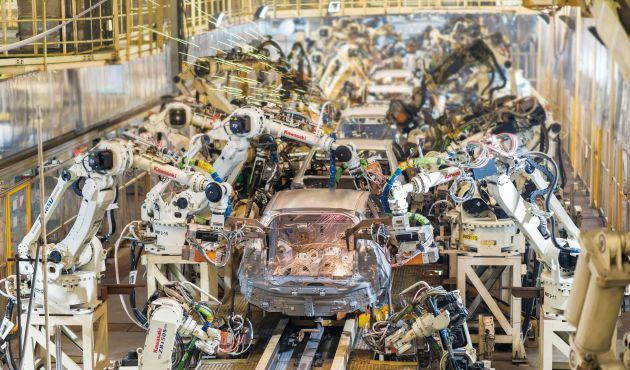
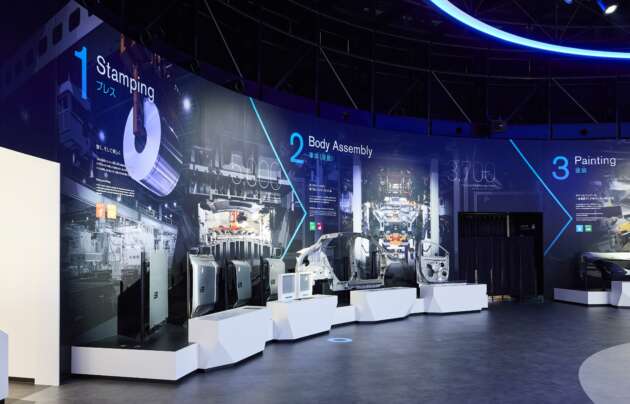
As for Toyota, the world’s largest carmaker by volume is also working to reduce types of parts, depending on customer needs, as fewer parts will improve productivity and speed up new model development work. Under project Area 35, the automaker aims to improve the use of plant floor space by 35%.
Elsewhere, Suzuki is planning to halve its current development time to around two years, while Mitsubishi aims to shorten the period by 20% to three years, by around 2030. While we can expect to see more models come about from Japanese automakers in quicker fashion, how they will stack up competitively in terms of cost and scale remains to be seen.
 Honda City Hatchback
from RM95,900
 Honda City
from RM89,900
 Honda WR-V
from RM94,900
 Honda Prelude
from RM278,000
 Honda HR-V
from RM115,900
 Honda e:N1
from RM149,900
 Honda Civic
from RM133,900
 Honda CR-V
from RM178,200
 Honda Civic Type R
from RM399,900


too late to chase?
Not too late. Still on track.
Omae wa mou shindeiru
patriotic malaysians who study sejarah still remember which country brutally colonized malaya during ww2
soon japan car will also have rear axle falling off.
No, that is probably the stupidest idea I have ever heard. The main and ONLY reason people still buying Japanese cars is BECAUSE they spend the time and effort to ensure their cars do car things properly.
Cutting R&D budget and time would just cause the likelihood of a “Jepunis Cherry Omoda 5” shenanigans and permanently butchered people’s trust.
90% of china car companies have been in losses for years just in order to get market share. They will collapse one by one.
next gen honda city will be starting from MYR100k