
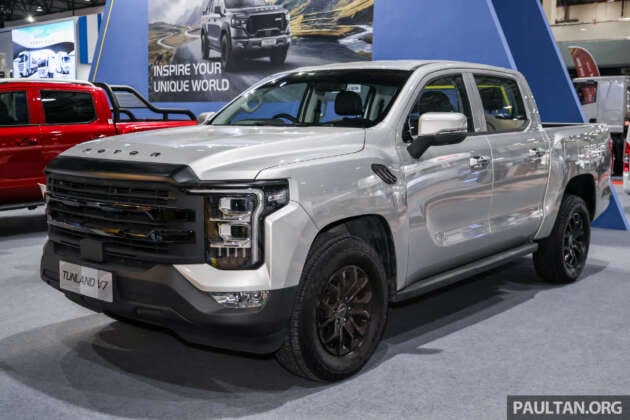
As reported last month, the Foton Tunland is back – and this time, not under a pseudonym. The Chinese pick-up truck arrives under the distributorship of Handal BCM, which also handles Foton’s light trucks and vans, as well as the Kaicene (Changan) and Golden Dragon brands.
Two models will be offered – the Tunland V7 with an estimated price of RM128,888 and the Tunland V9 at RM148,888 estimated. Previewed at the Malaysia Commercial Vehicle Expo (MCVE) at the Mines International Exhibition and Convention Centre (MIECC), these are set to be launched sometime next week, both coming with an impressive seven-year/200,000 km warranty.
Despite what their names suggest, the two trucks are essentially identical underneath. Both measure 5,617 mm long, 2,090 mm wide and 1,955 mm tall, with a wheelbase of 3,355 mm. This makes them a whopping 292 mm longer, 190 mm wider and 140 mm taller than the current eighth-generation Toyota Hilux, meaning that the Foton models are actually halfway towards full-size pick-ups such as the Ford F-150.
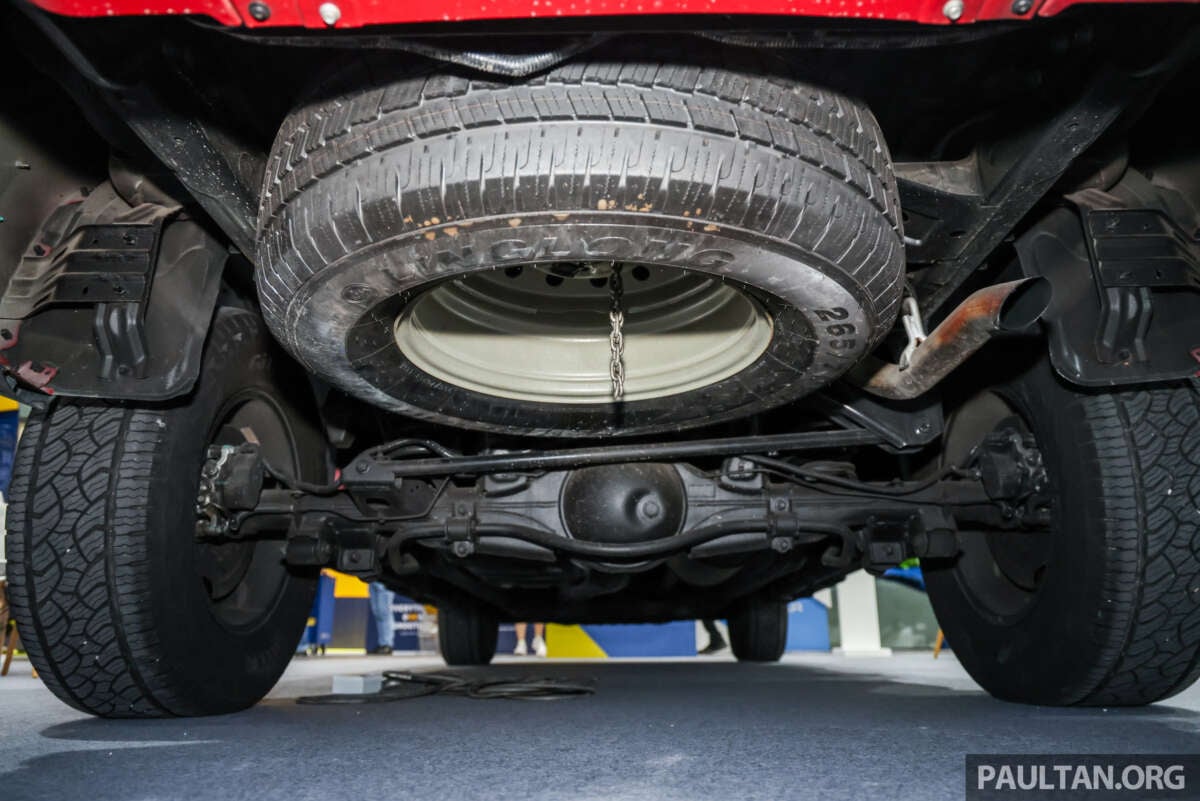
Even so, their payload rating of 895 kg is lower than the one-tonne standard of most mid-sized trucks, likely due to the V9 coming with a coil-sprung solid rear axle (the V7 gets conventional leaf springs but retains the same max payload). Their 3,500 kg towing capacity is at least equal to rivals.
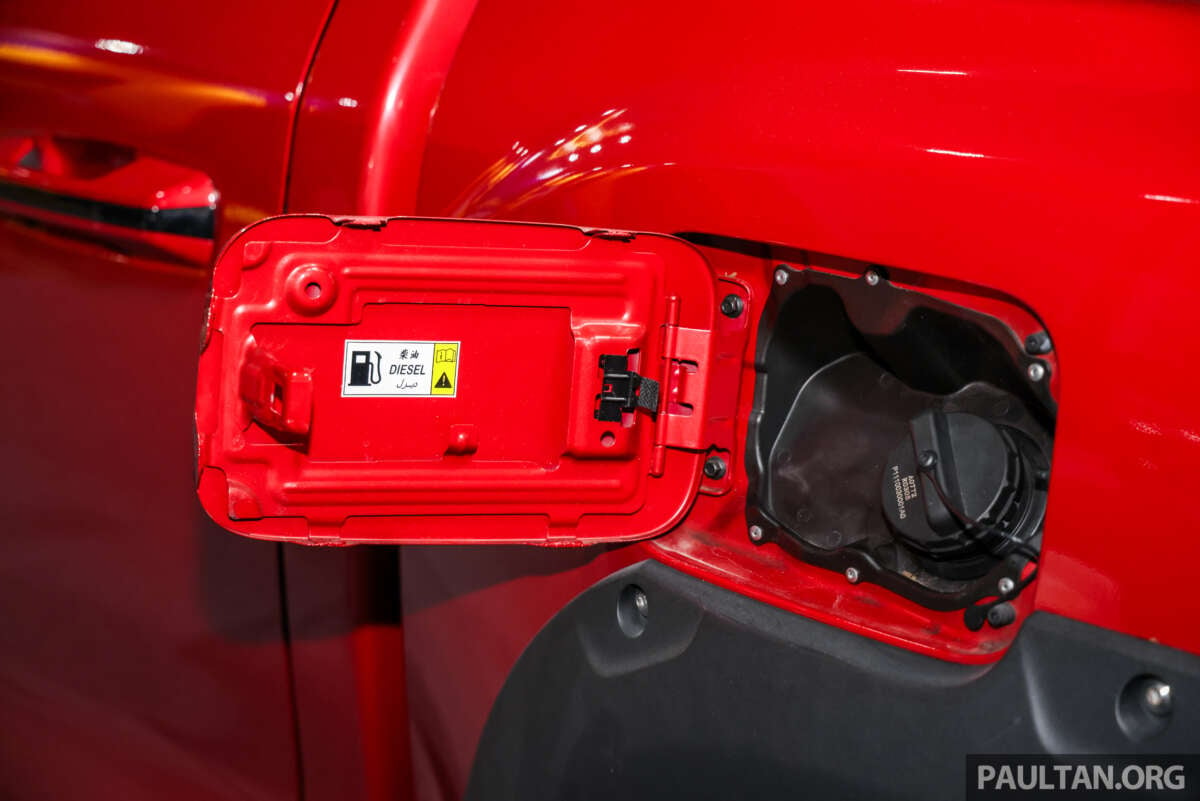
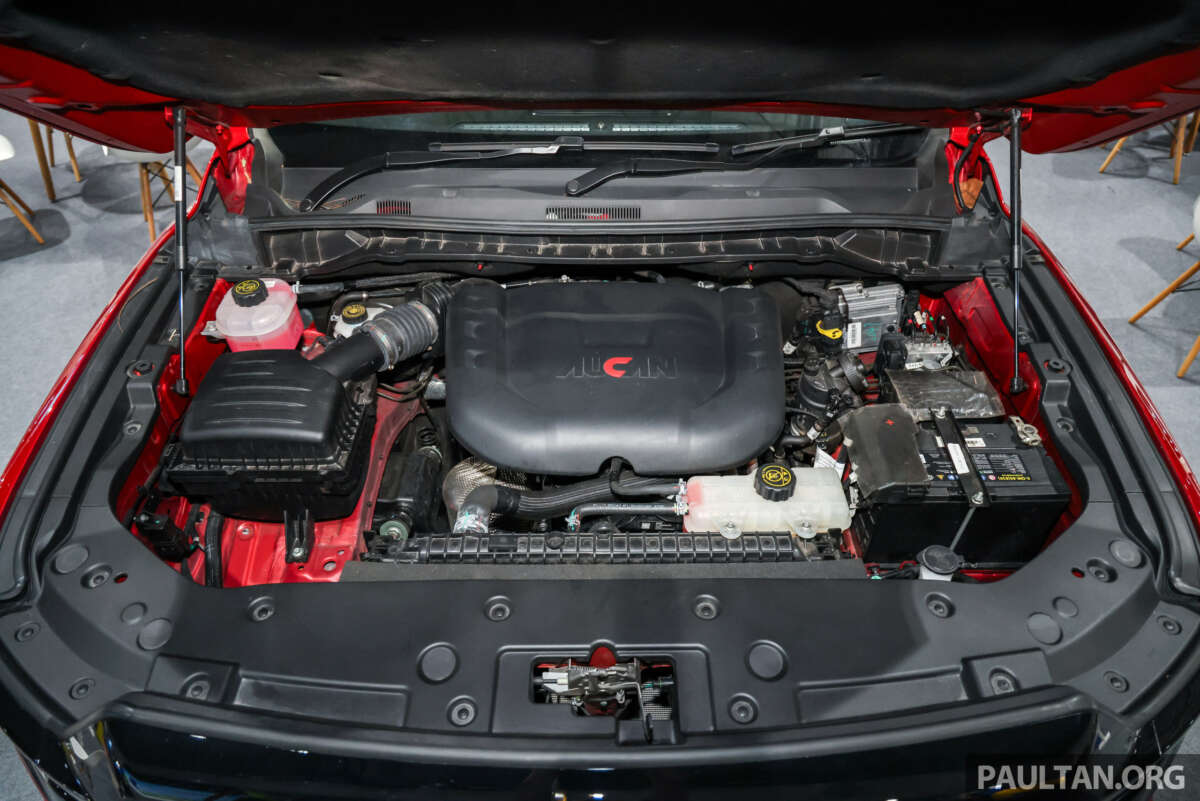
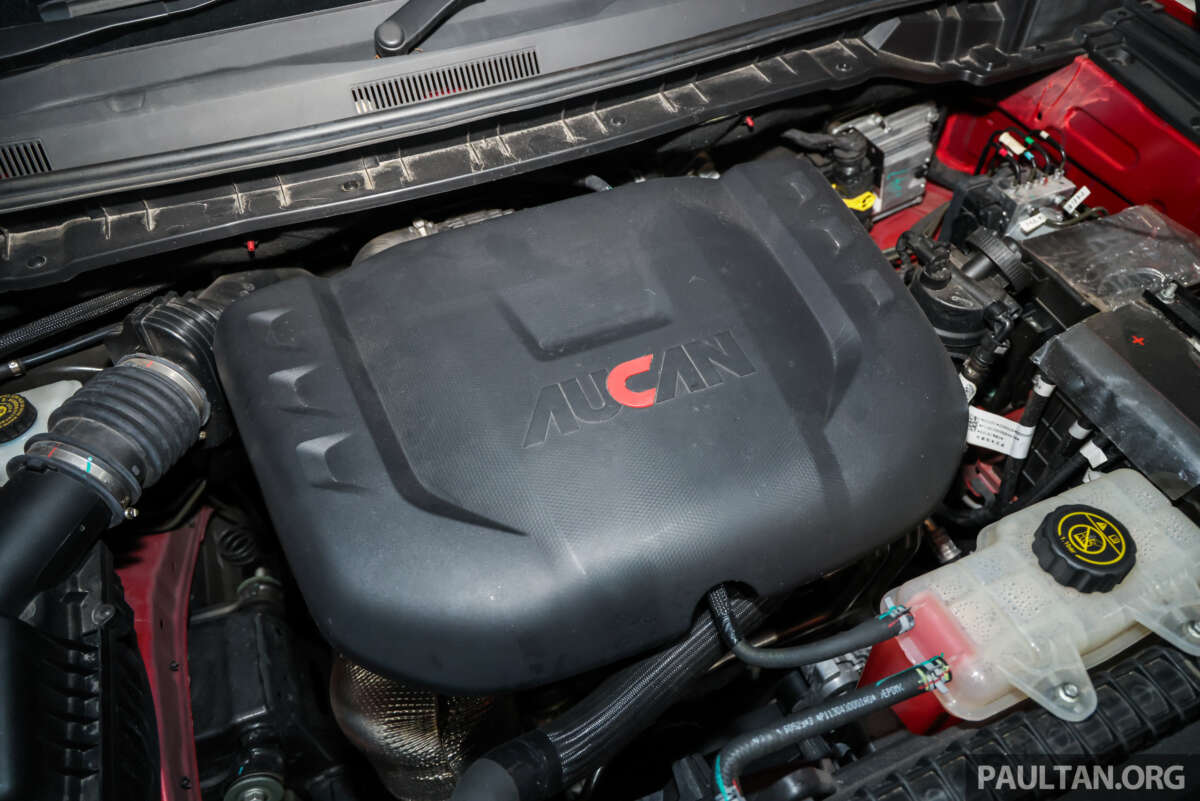
Both Tunlands also get the same powertrain – an Aucan 4F20 2.0 litre four-cylinder turbodiesel developed with Cummins, featuring a variable geometry turbo (VGT) and a 48-volt mild hybrid system. Outputs are rated at 163 PS at 3,600 rpm and 400 Nm of torque from 1,500 to 2,400 rpm, with an additional 12 PS and 50 Nm of accelerative boost coming from the electric motor. Fuel consumption is rated at 8.1 litres per 100 km.
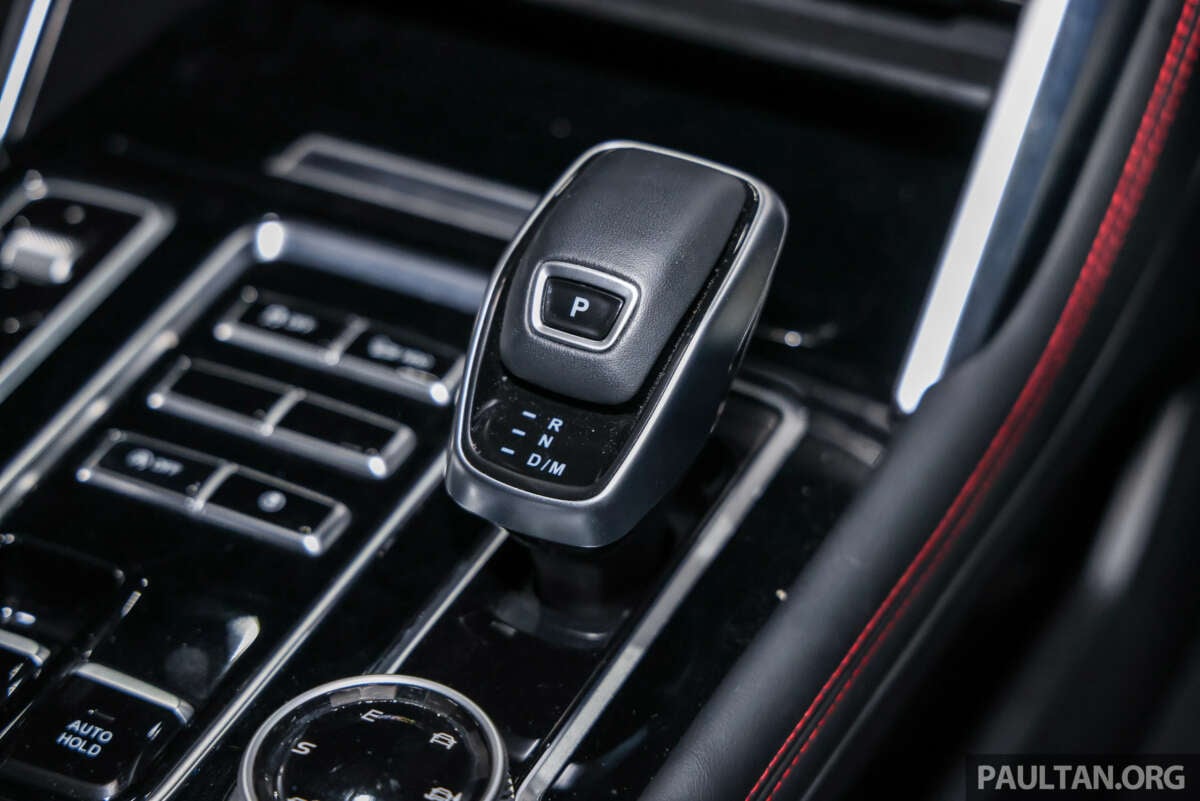
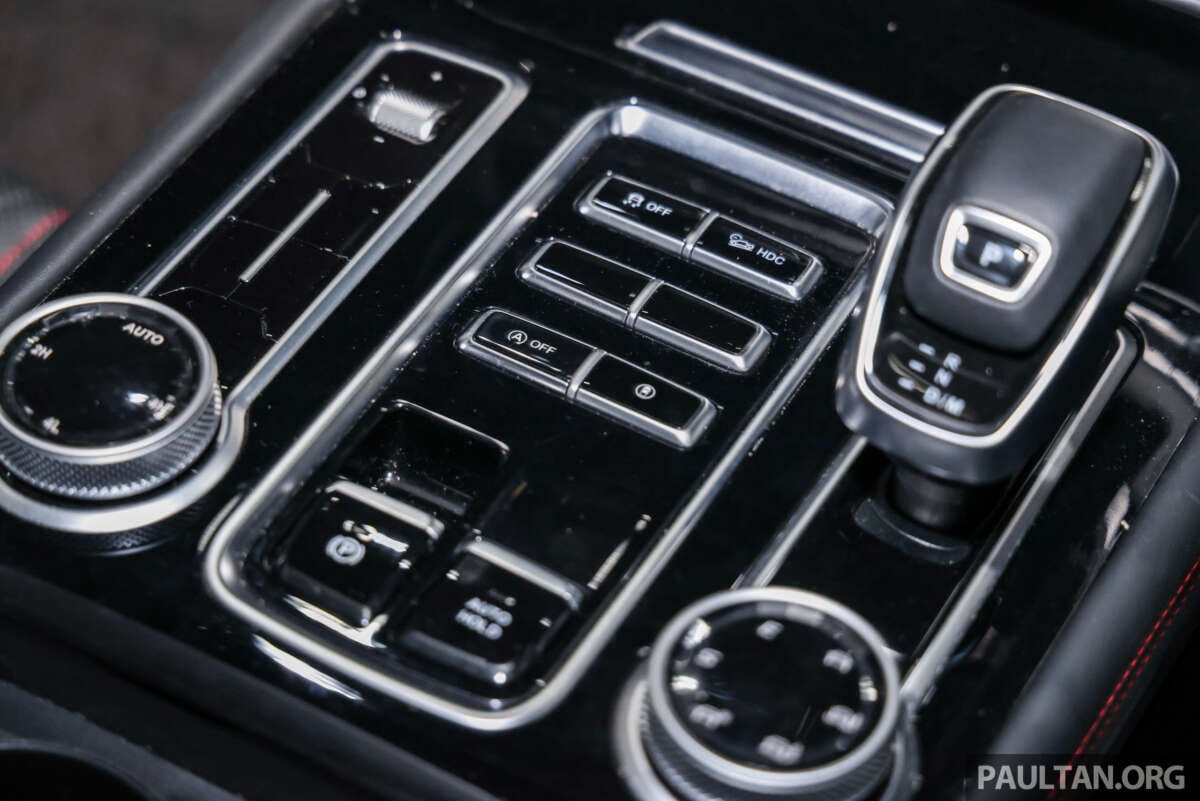
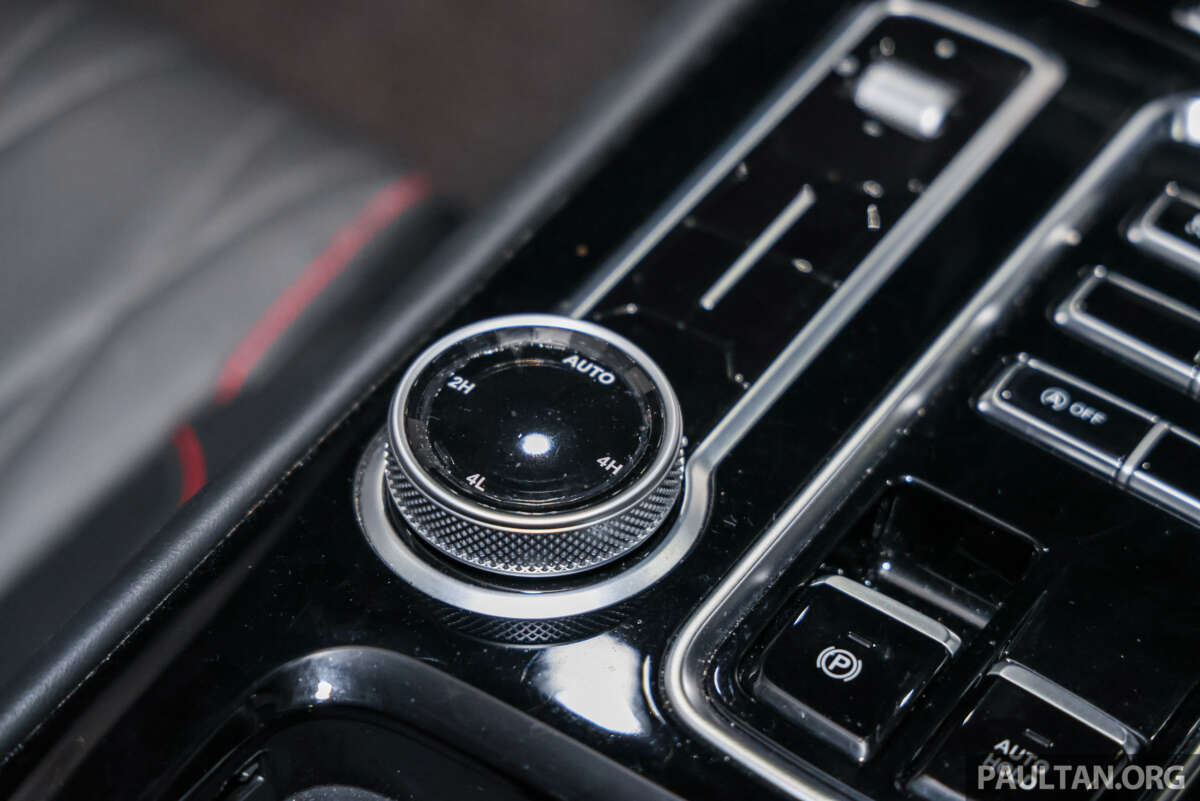
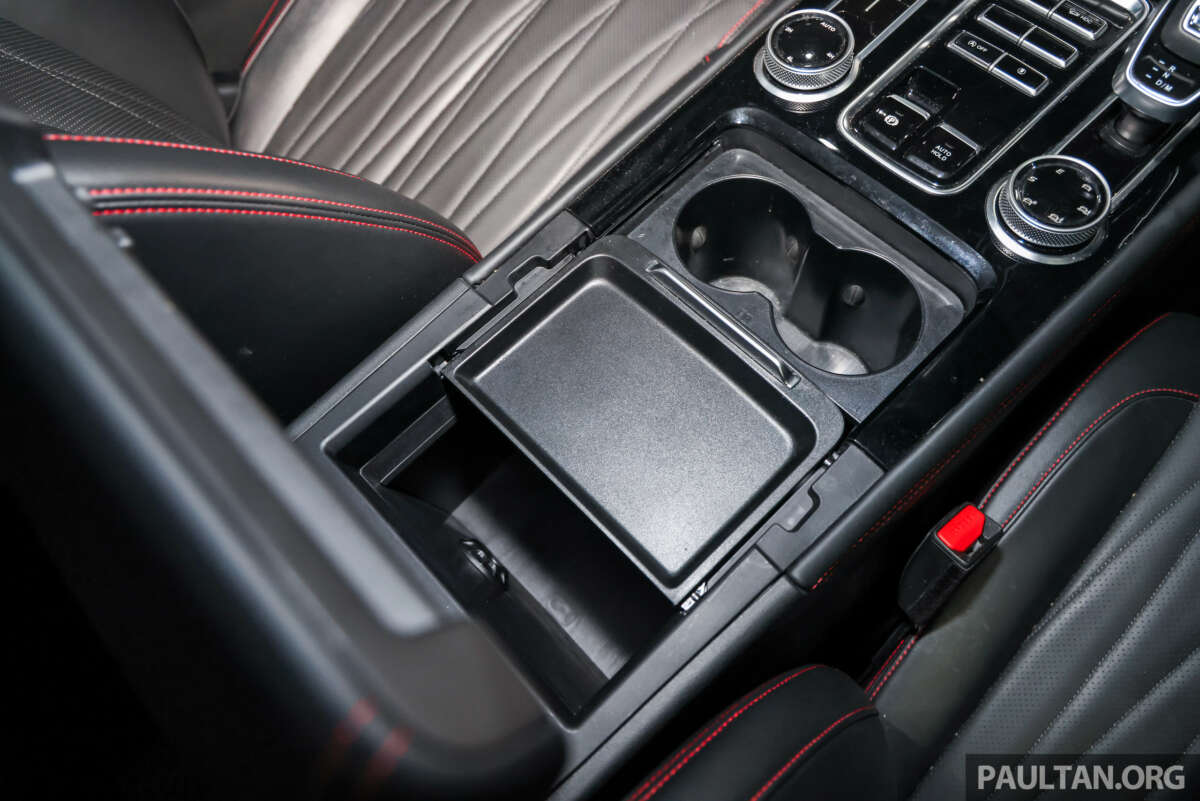
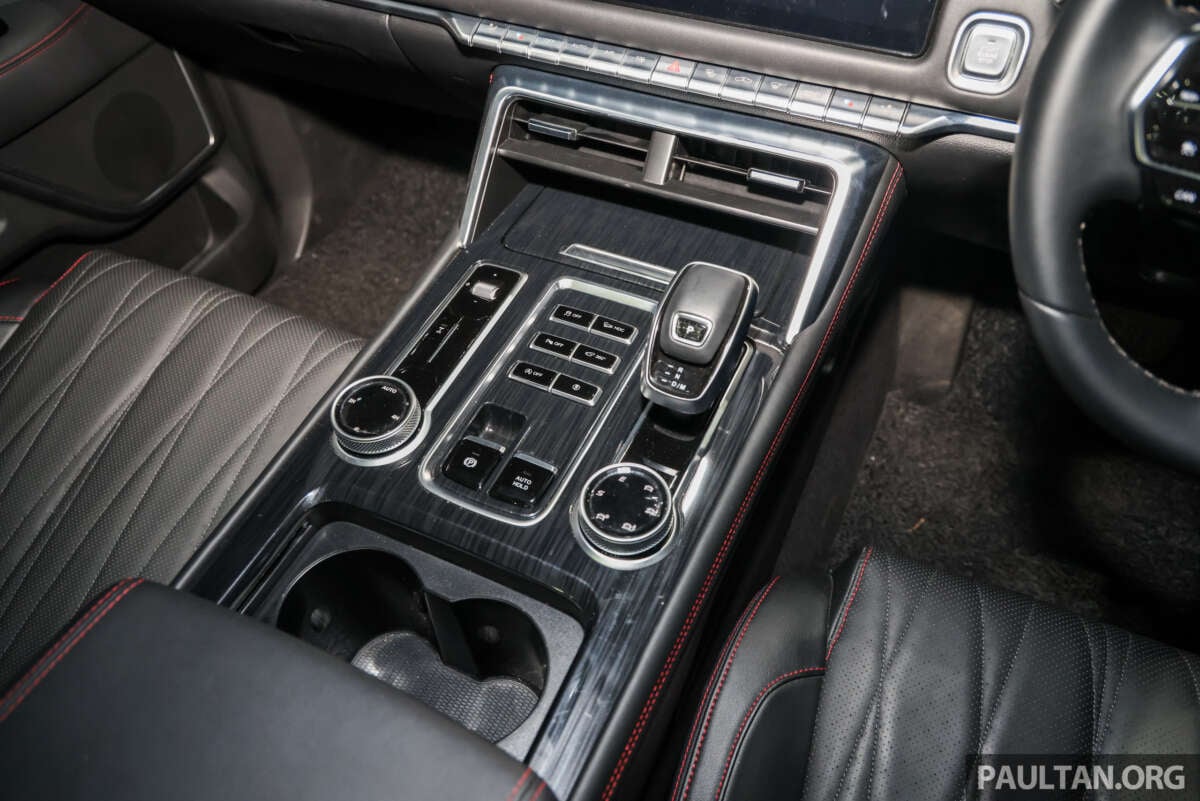
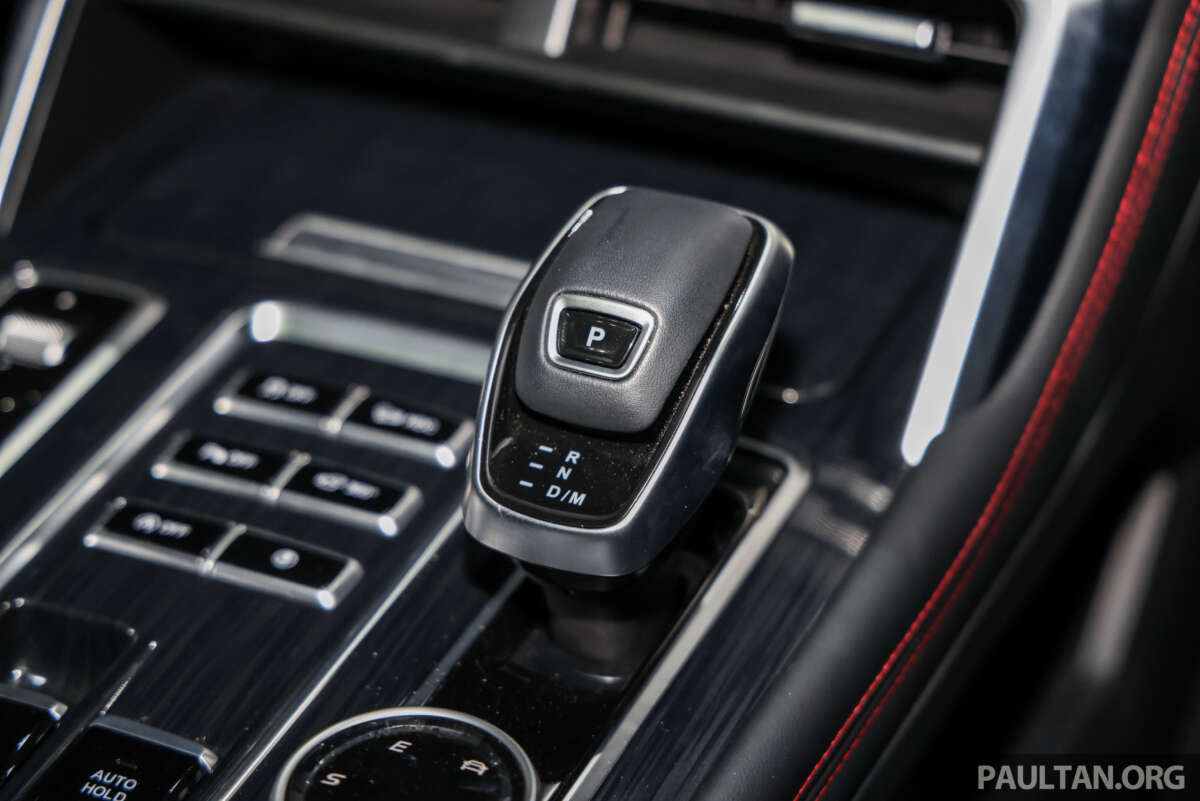
This setup is mated to an eight-speed ZF automatic gearbox and four-wheel drive with a BorgWarner low range transfer case, with the V9 adding a rear locking differential and electric power steering instead of the V7’s hydraulic assistance. Both come with six drive modes – including Sand, Mud and Snow for off-road driving – and both the drivetrain and drive mode settings are selectable through rotary knobs.


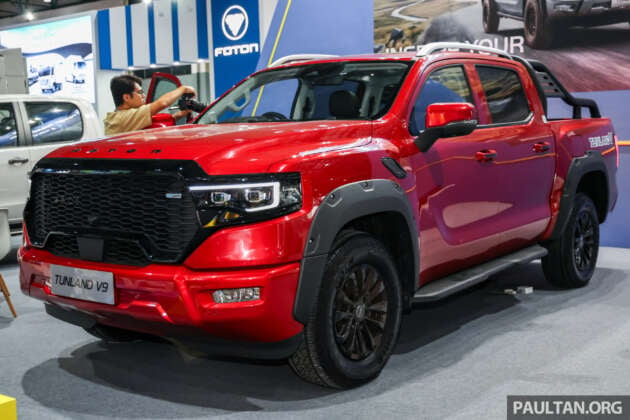
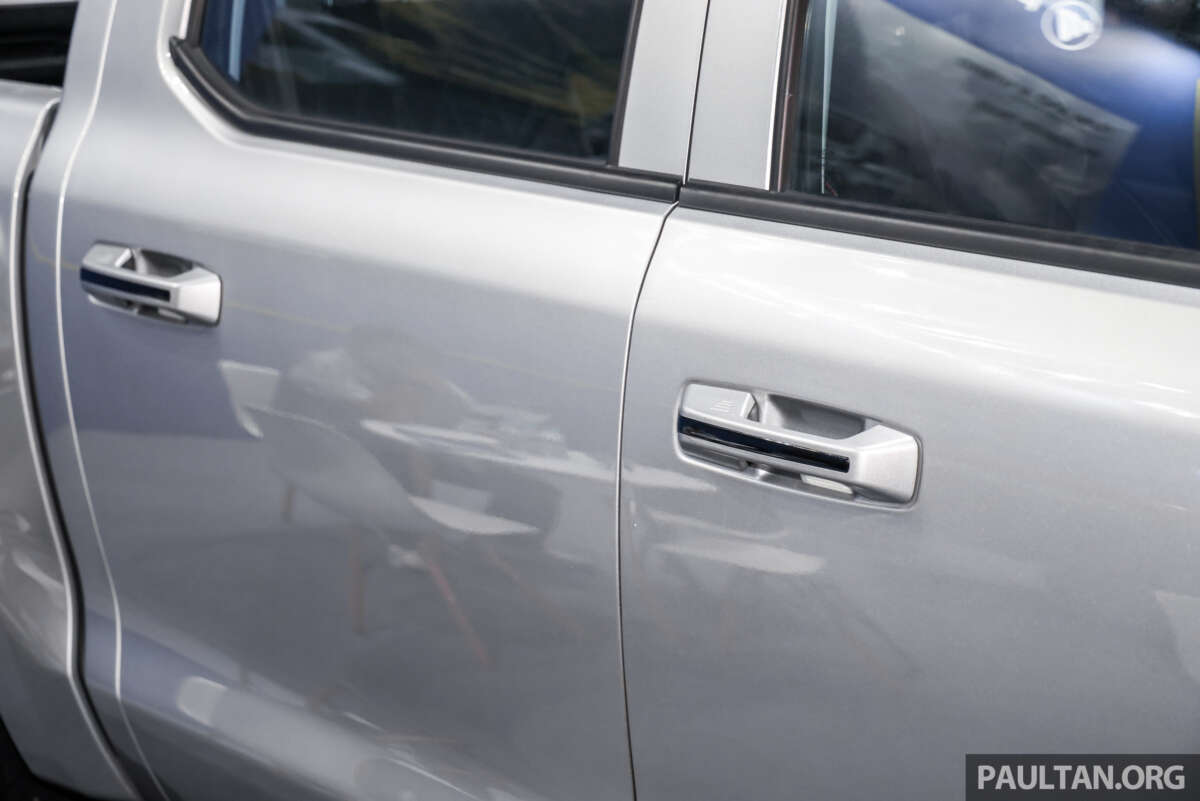
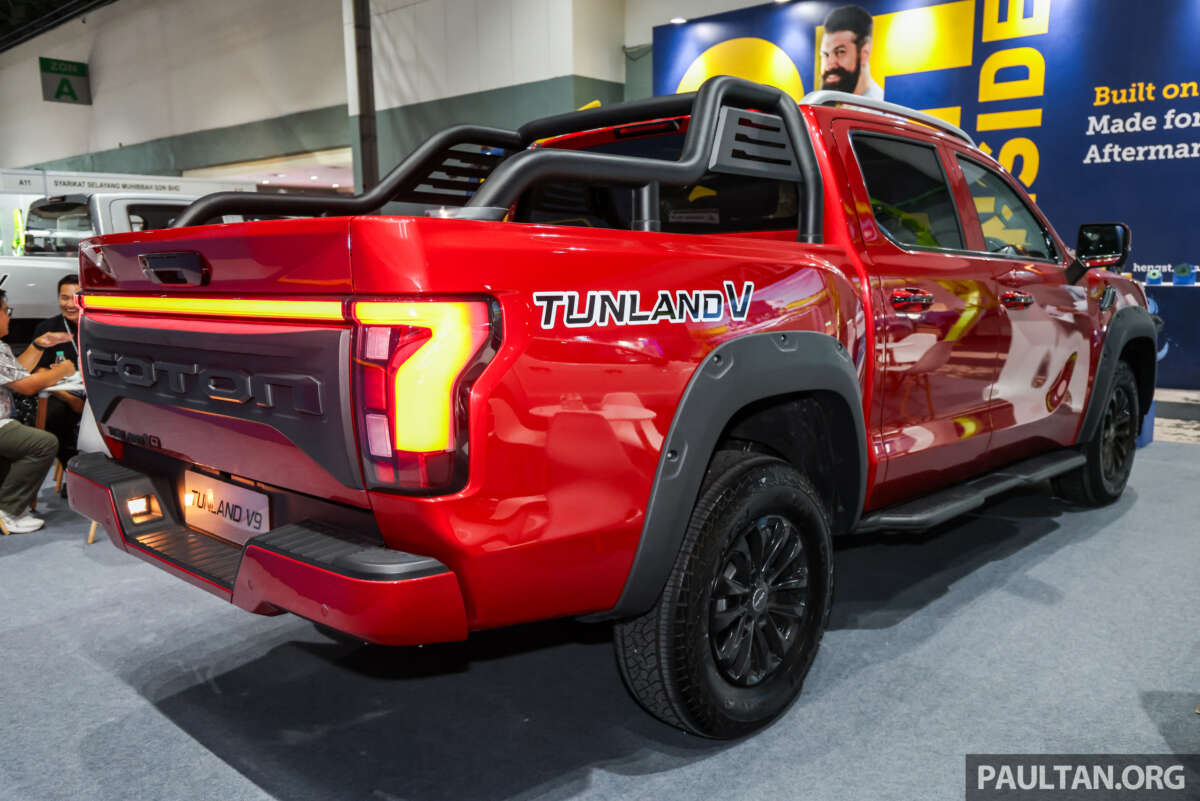
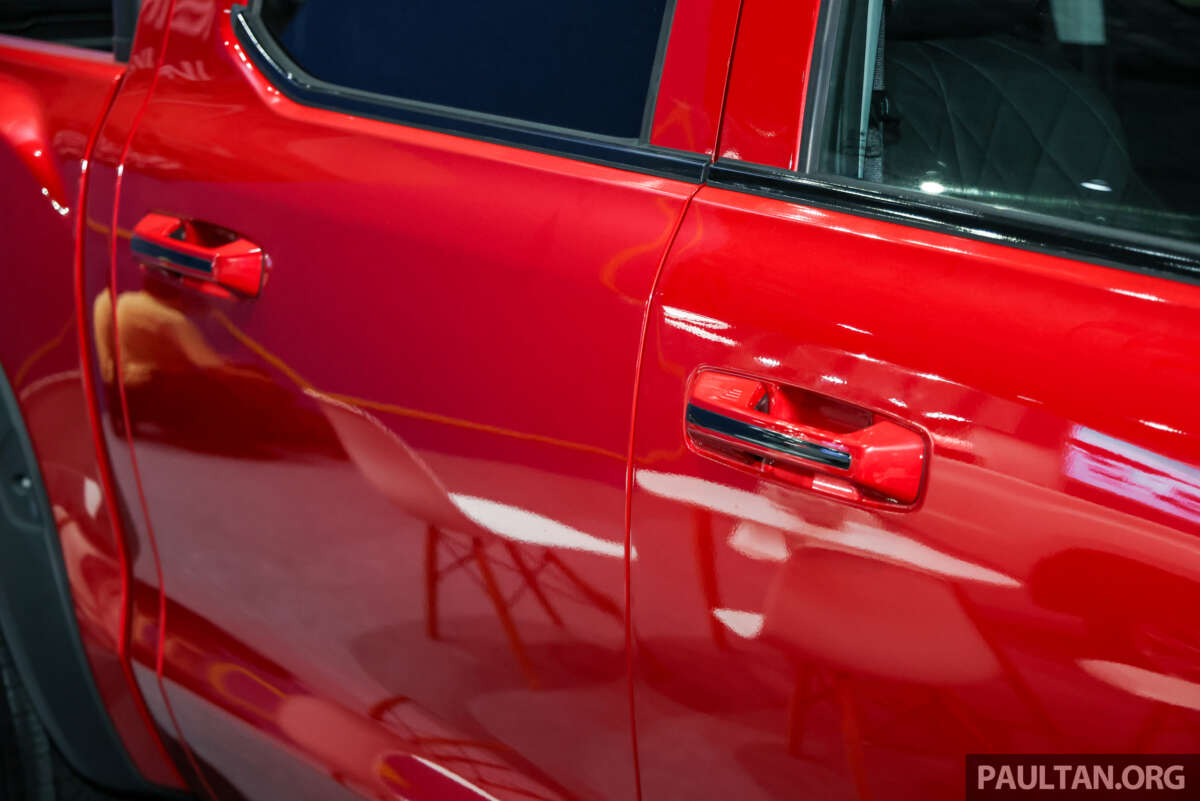
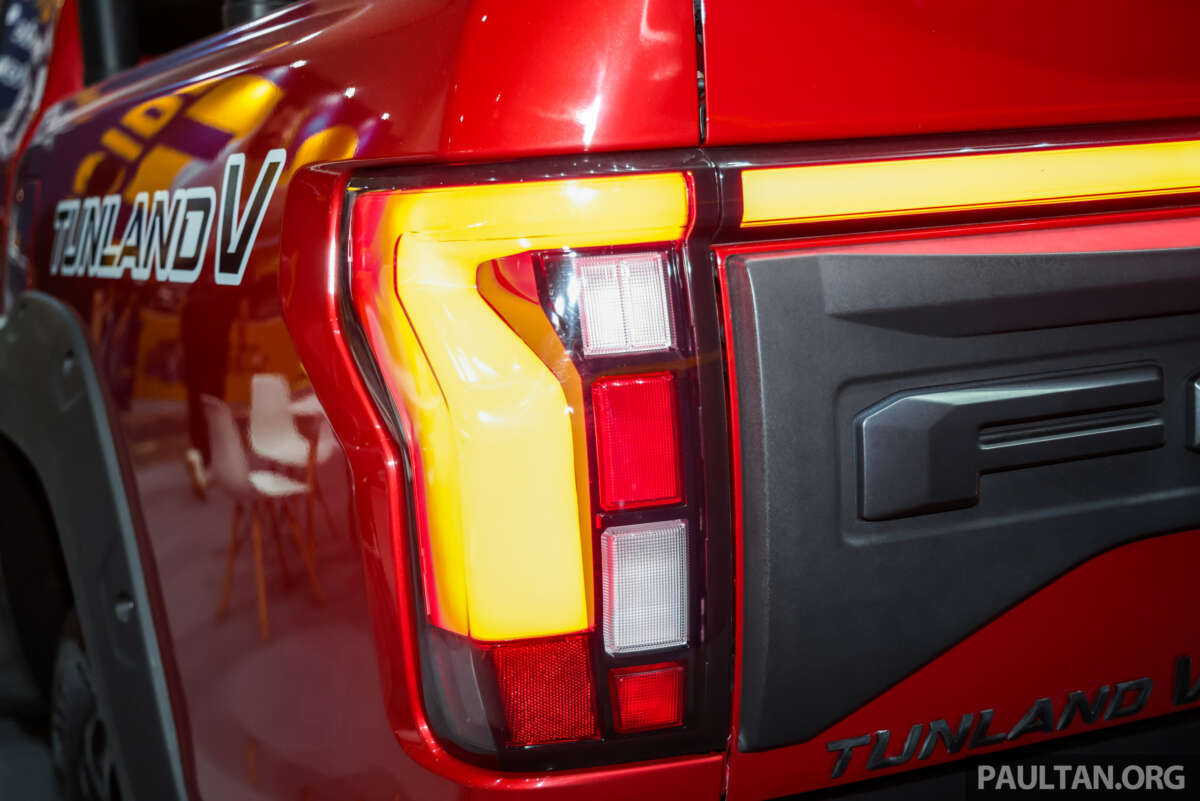
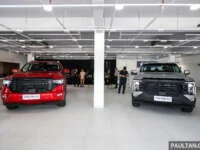
Instead, the differences are mainly visual and spec-related. The V7 gets vertical dual-projector LED headlights and a large upright grille reminiscent of the aforementioned F-150, while the V9’s front end is practically a facsimile of the Ram 1500, with its horizontal headlights and TRX-style trapezoidal grille. Both come with fake fender vents, chunky door handles and F-150-esque triangular taillights.
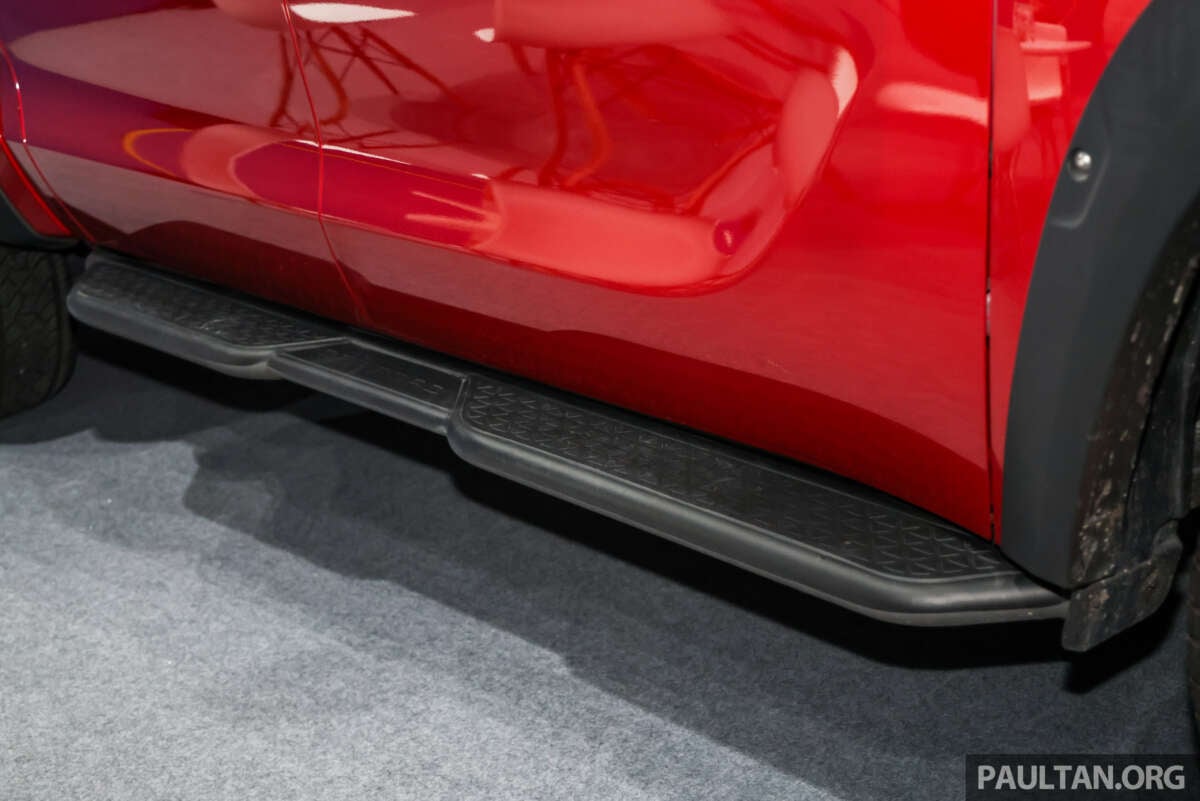
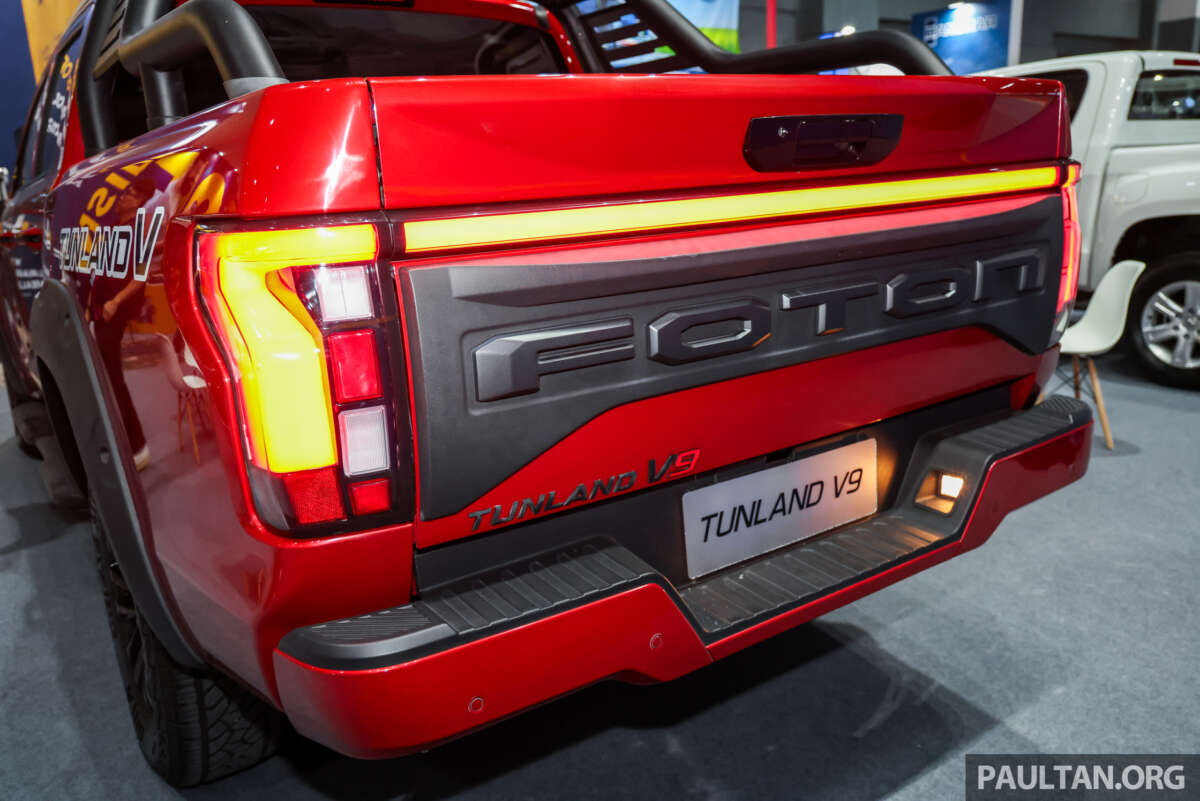
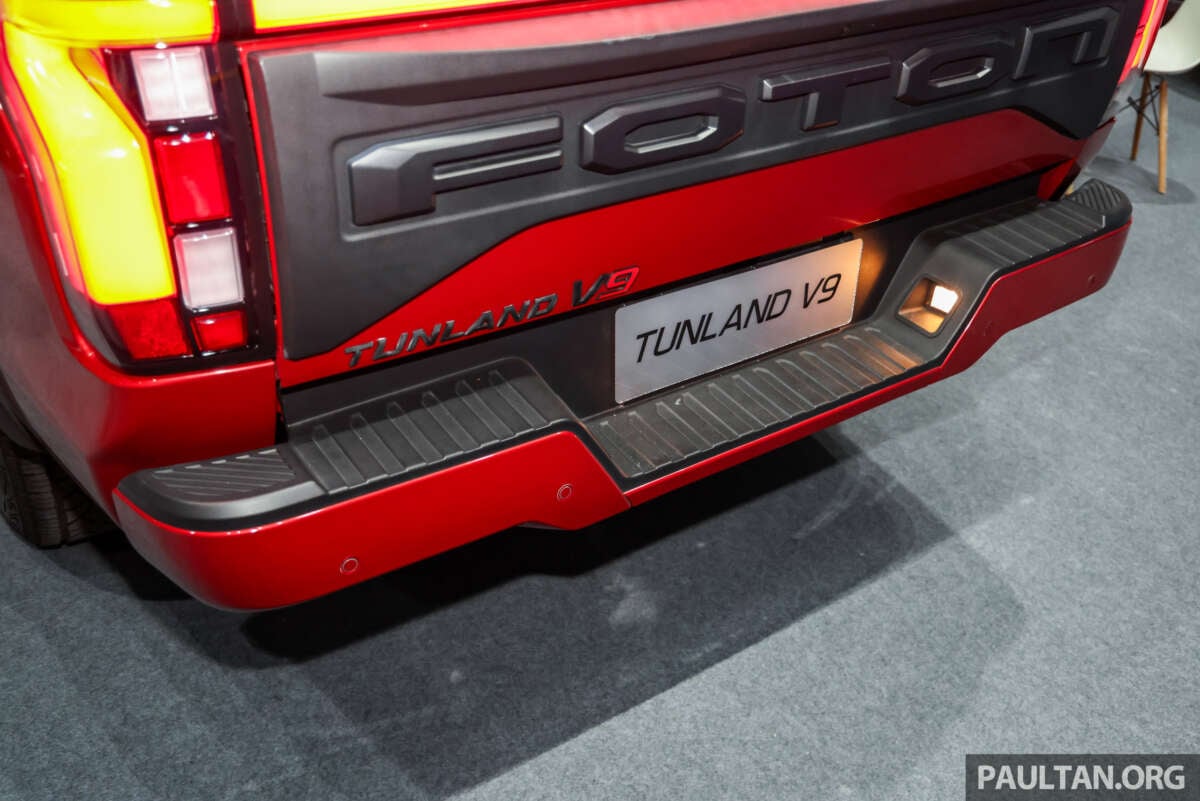
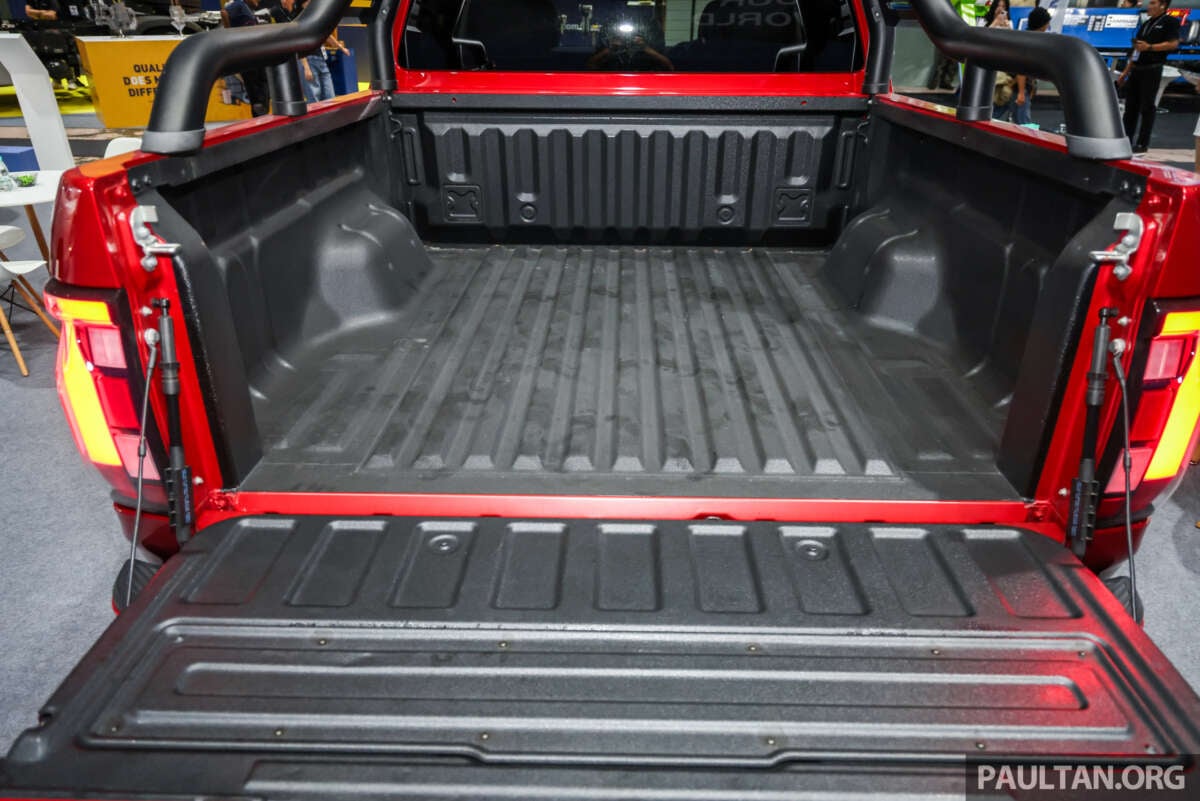
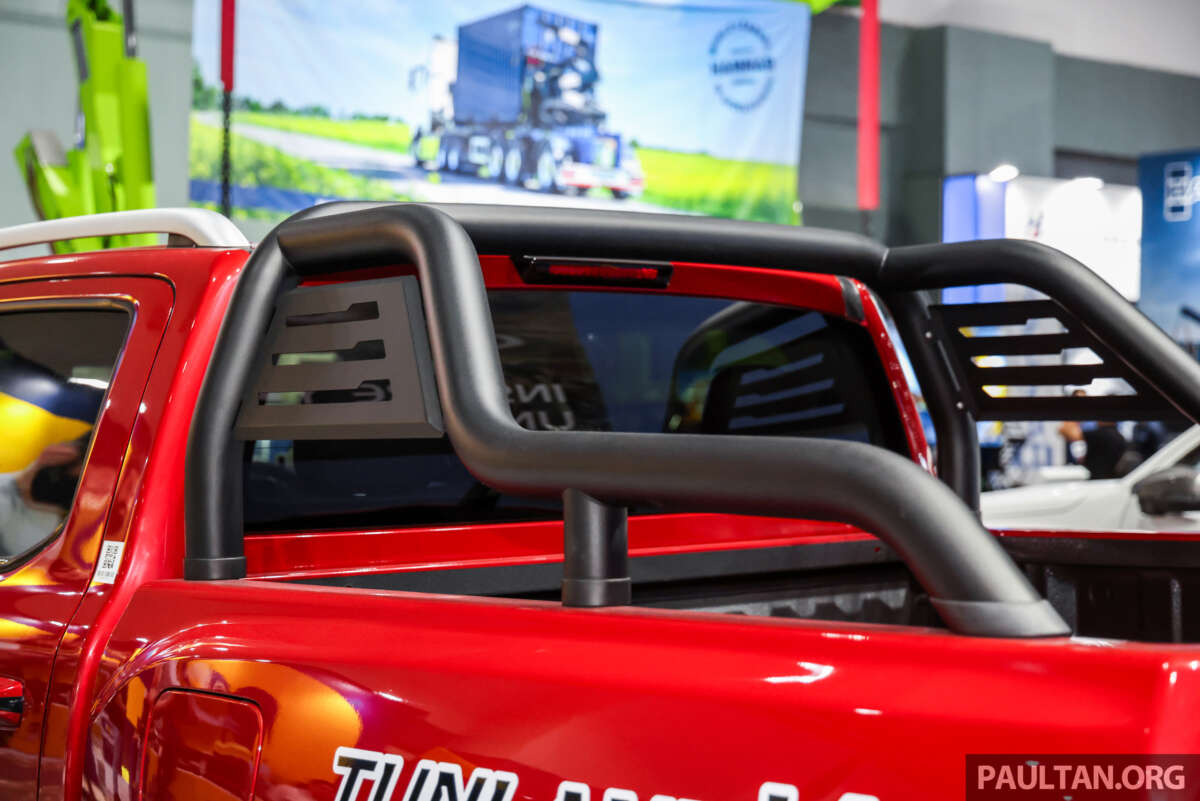
The V9 adds full-width LED taillights, roof rails, a sports bar, black fender flares and nicer-looking side steps. Both come with a bed liner and a tailgate damper, but only the V9 has a deployable step built into the tailgate – another feature lifted from full-sized trucks. The wheels are 18-inch black alloys, featuring a “leisure” design for the V7 and a “sport” design for the V9.
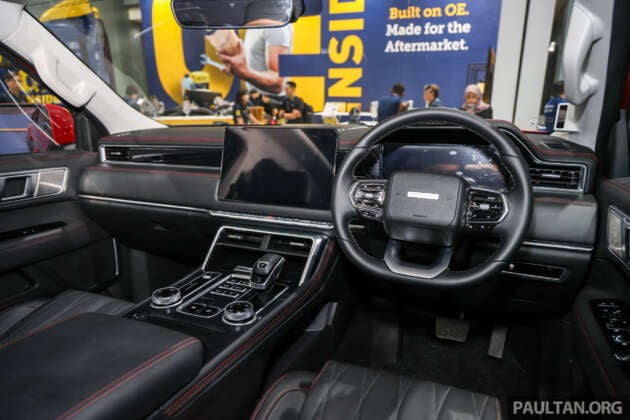
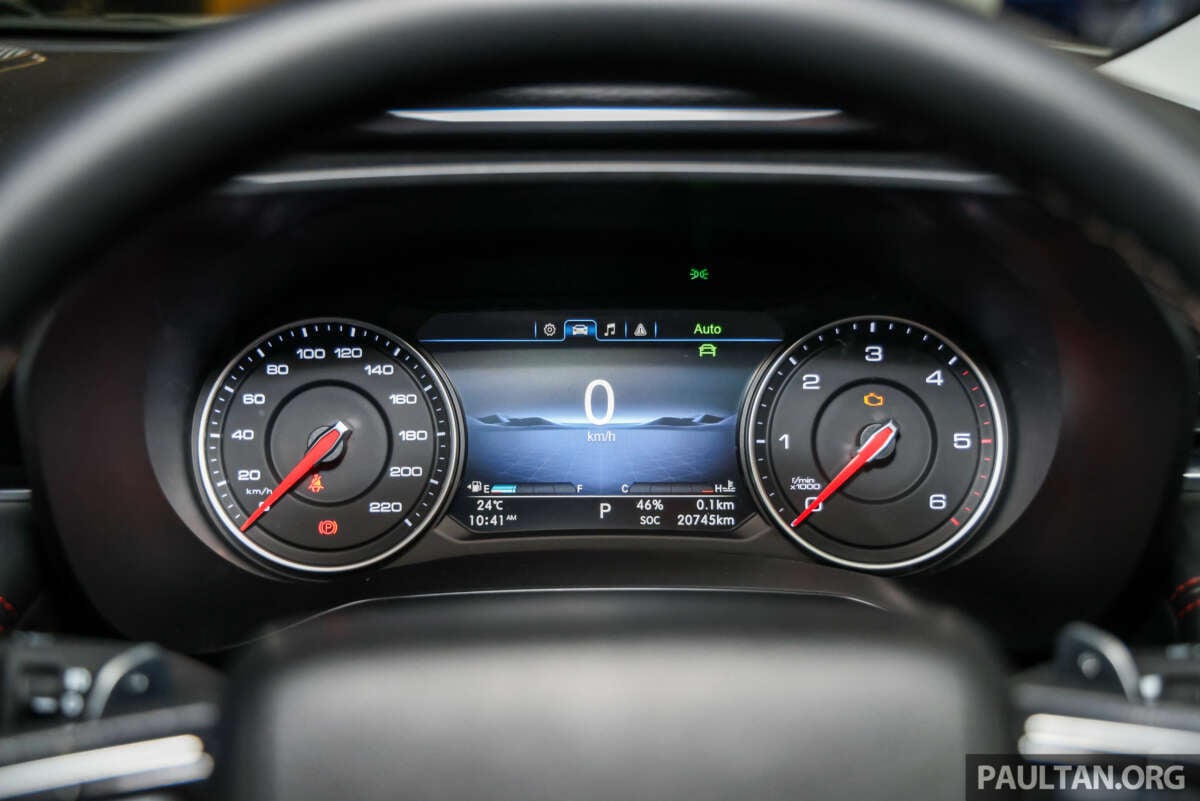
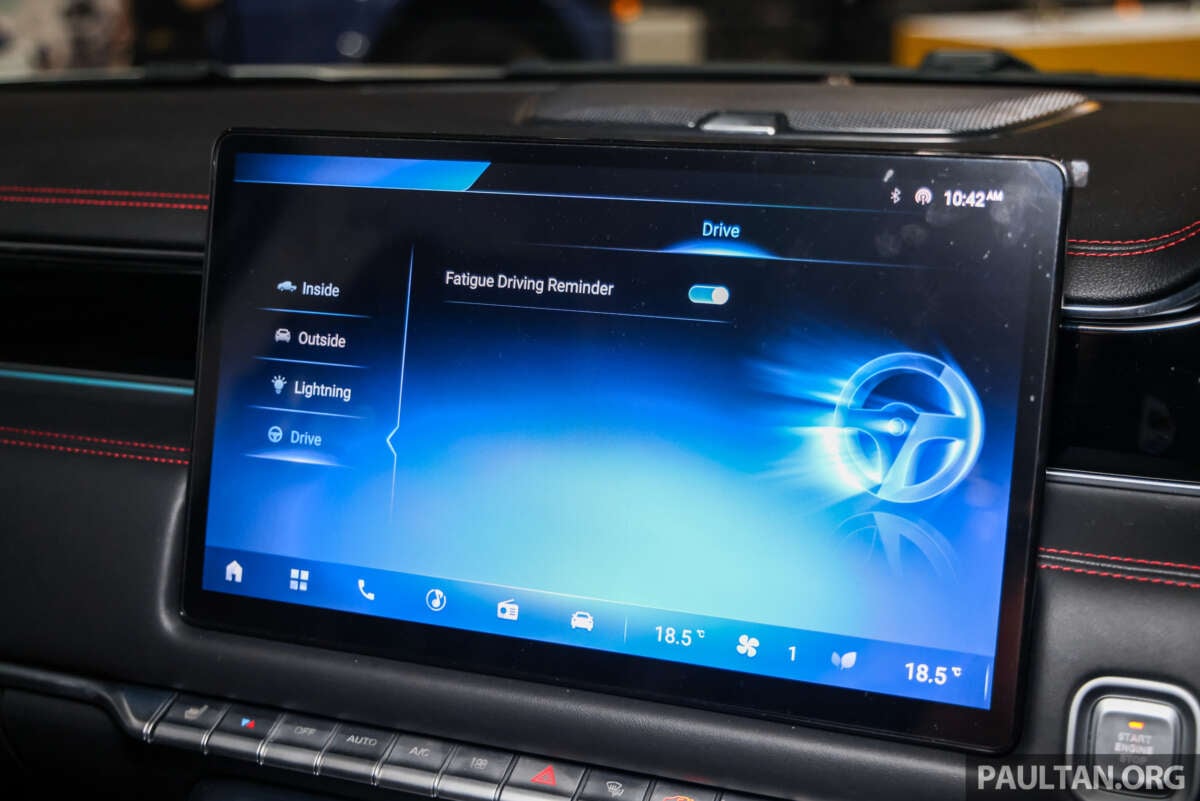
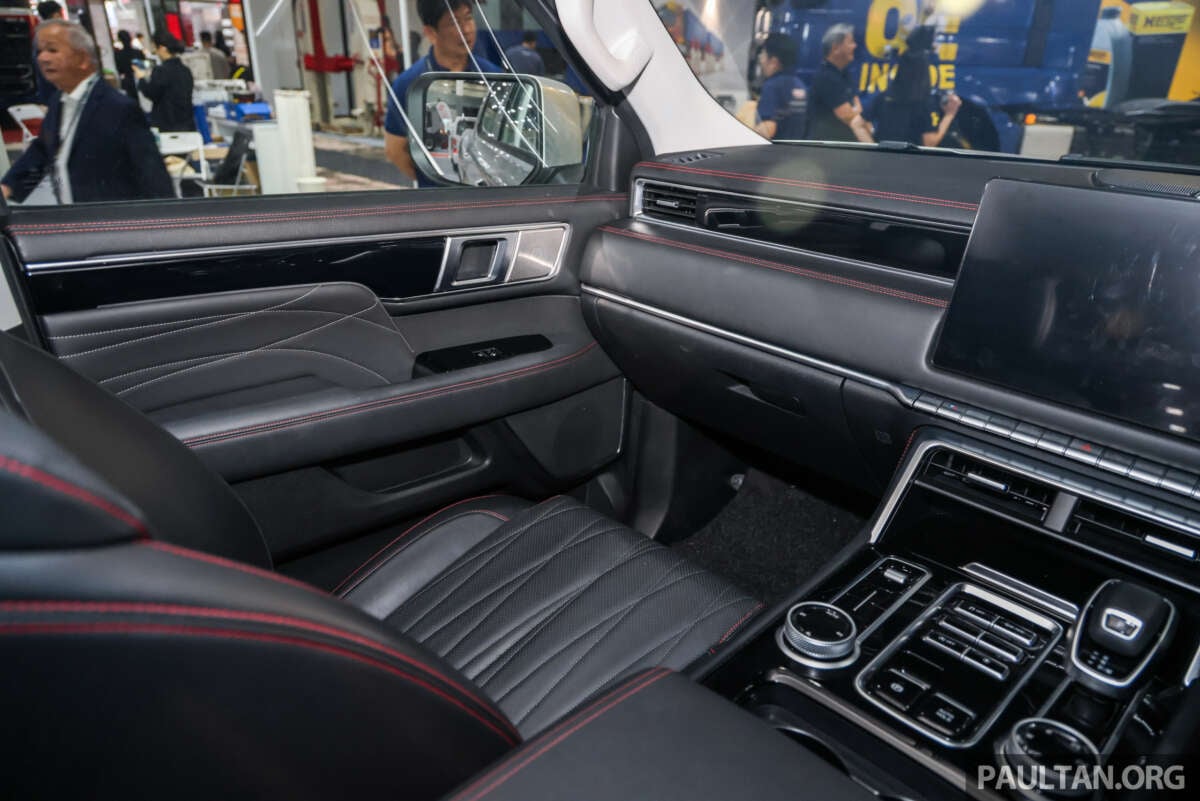
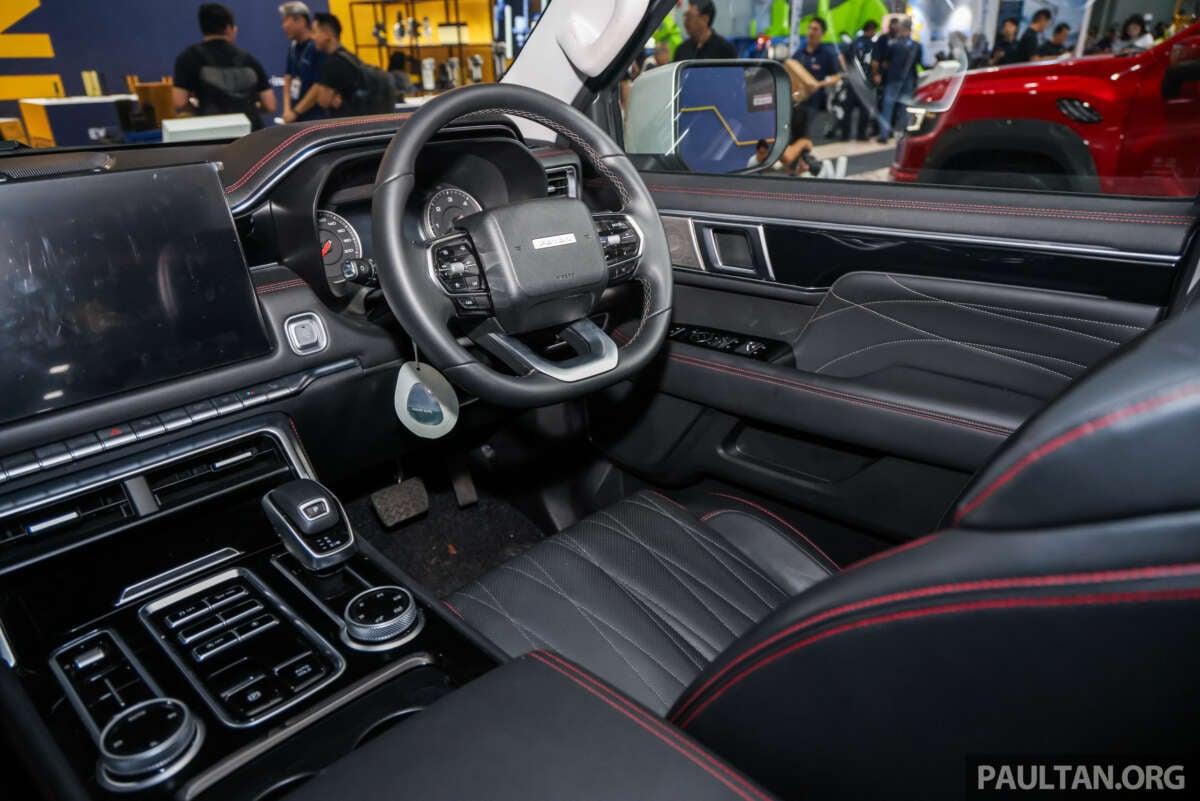
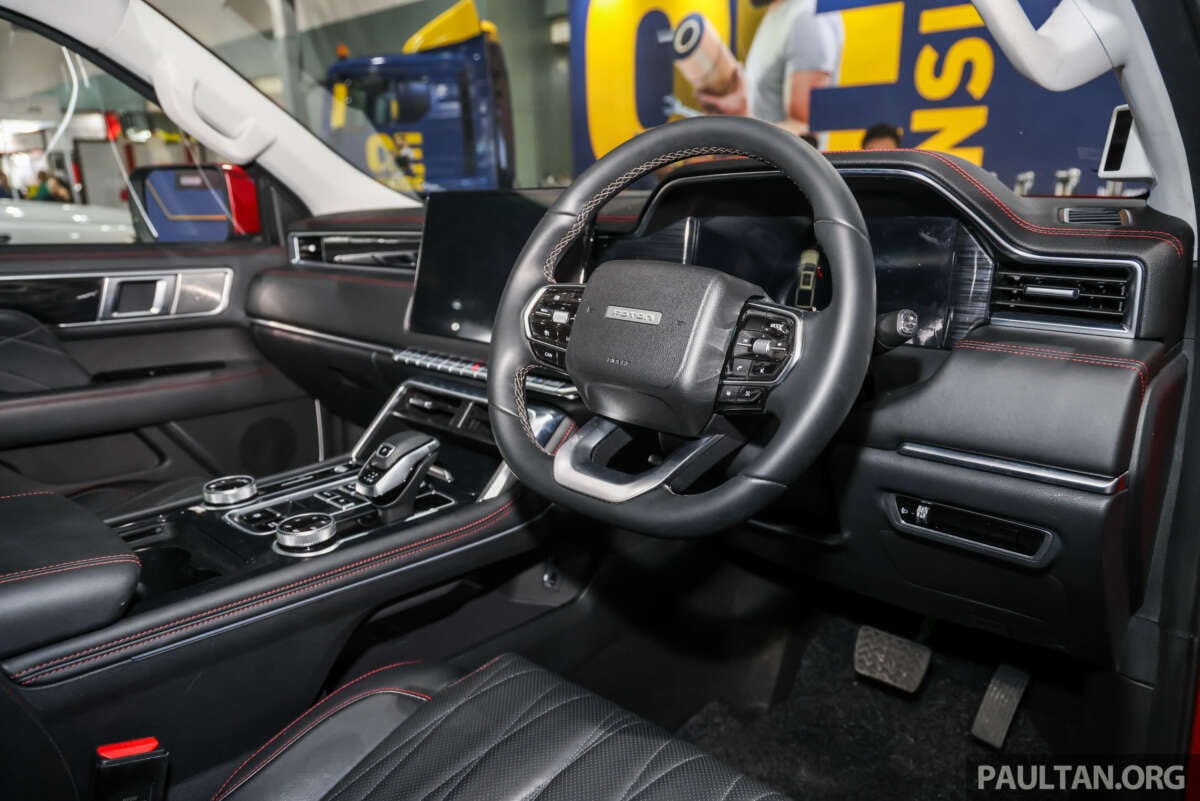
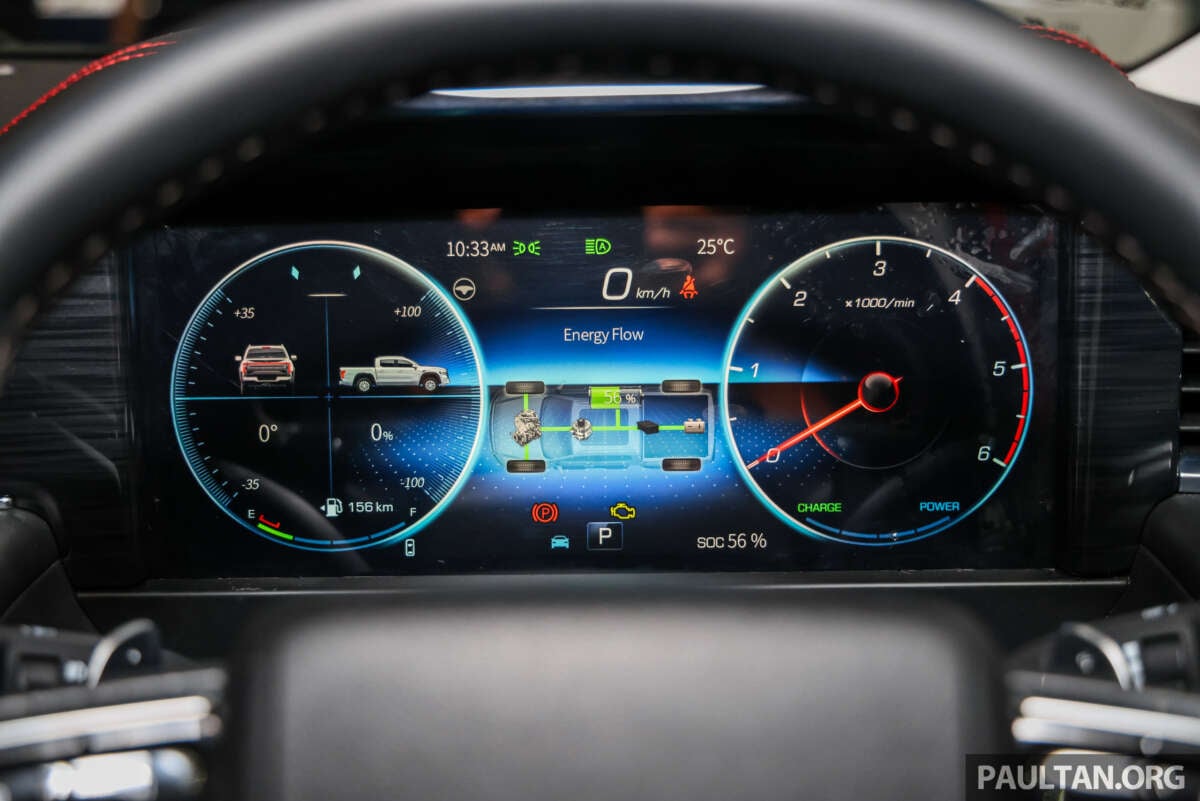
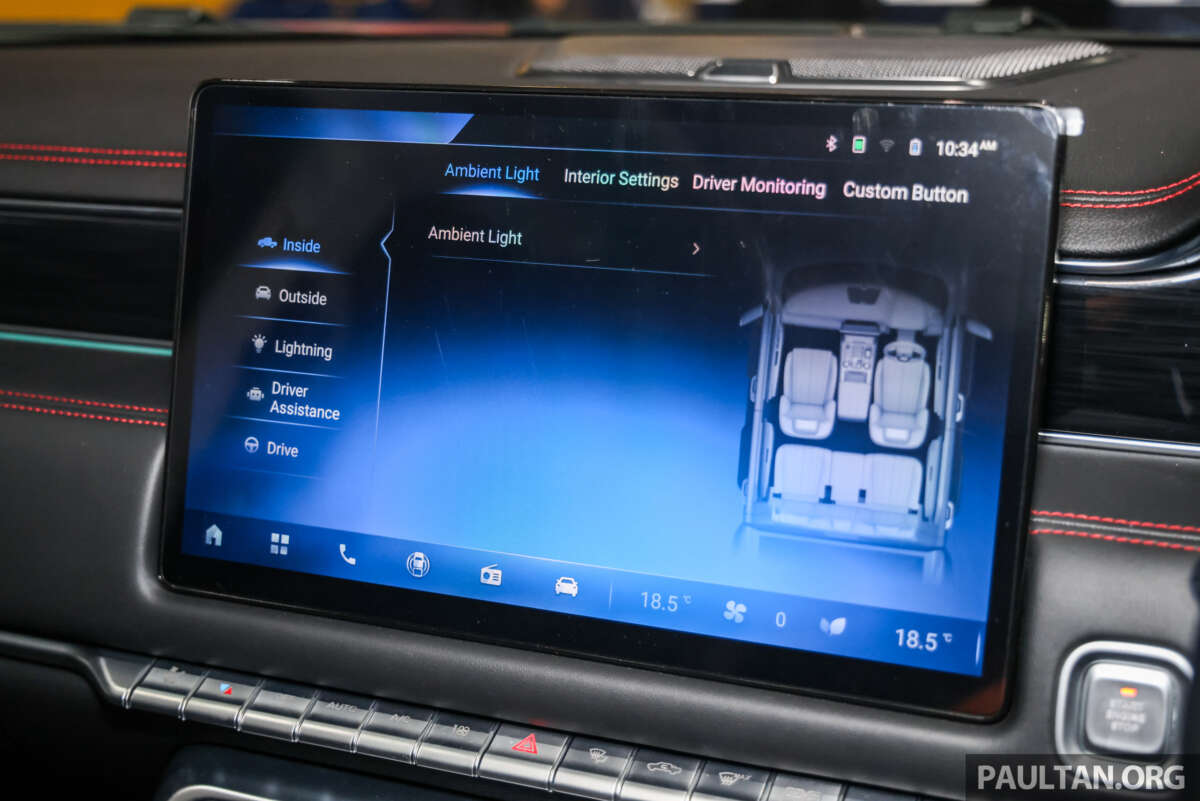
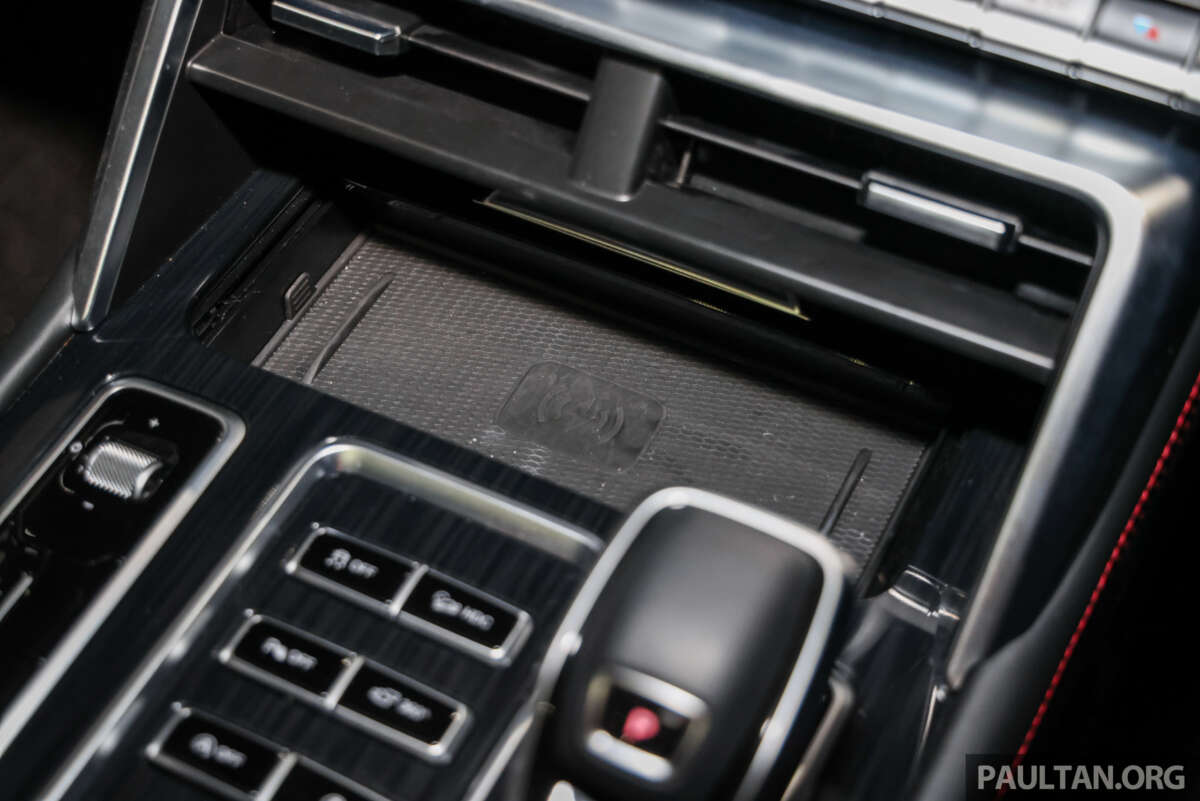
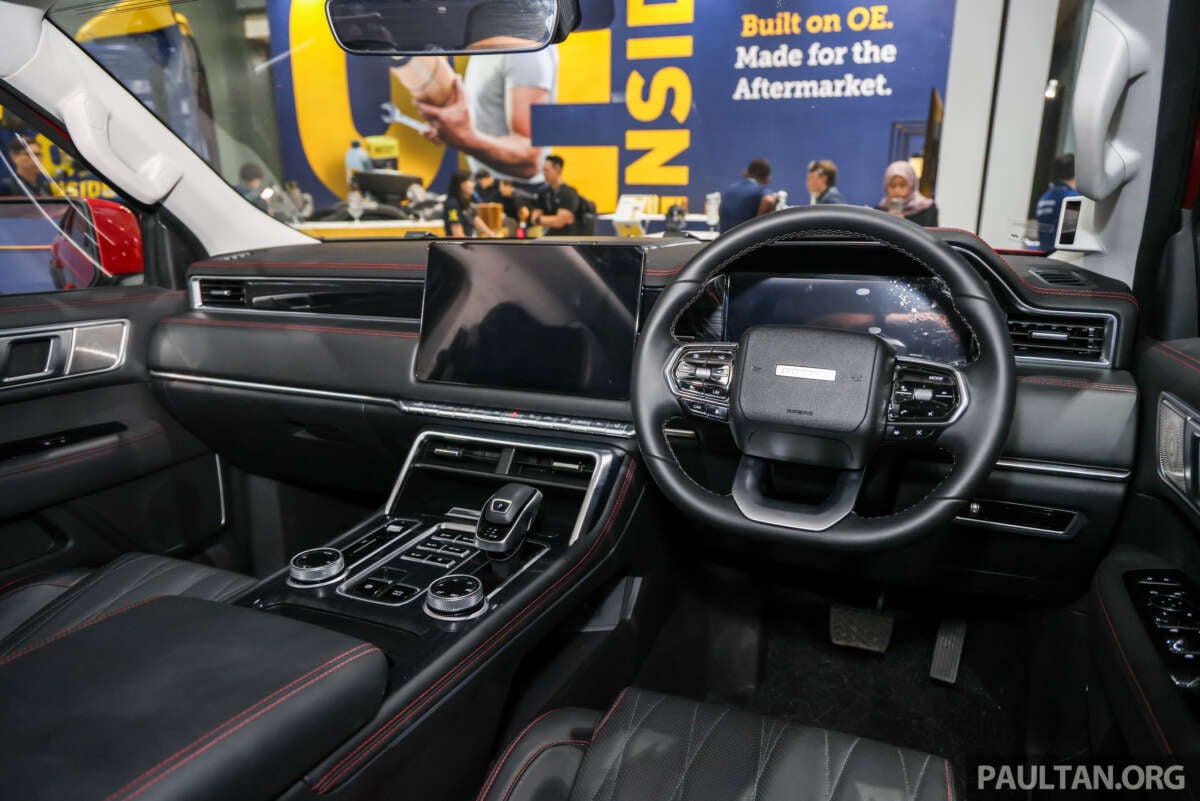
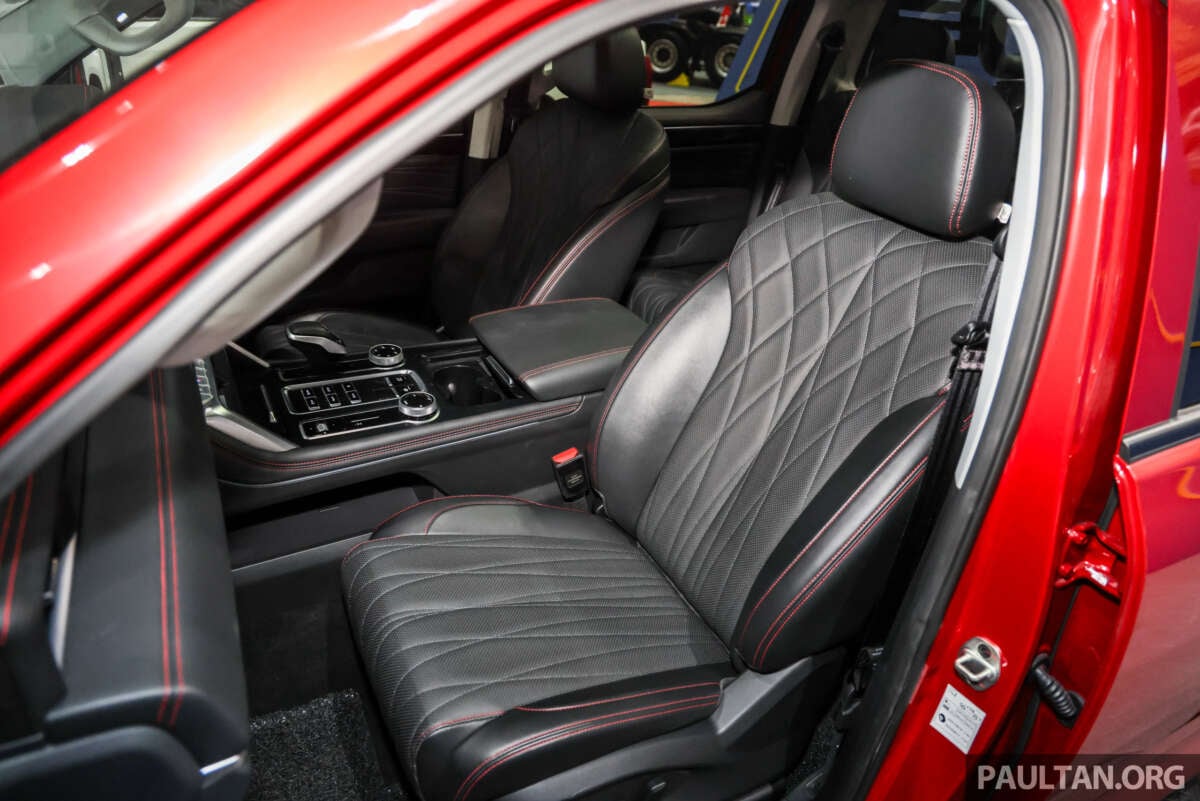
Inside, the V7 and V9 feature a modern design with a horizontal dashboard design, full physical air-con control toggles, a wide centre console and an inverted U-shaped silver trim piece inspired by yacht throttle levers, housing the centre air vents. The V7 you see here comes with analogue dials with a multi-info display, but local units should get the same 12.3-inch instrument display as the V9, paired with a 14.6-inch infotainment touchscreen with Apple CarPlay.
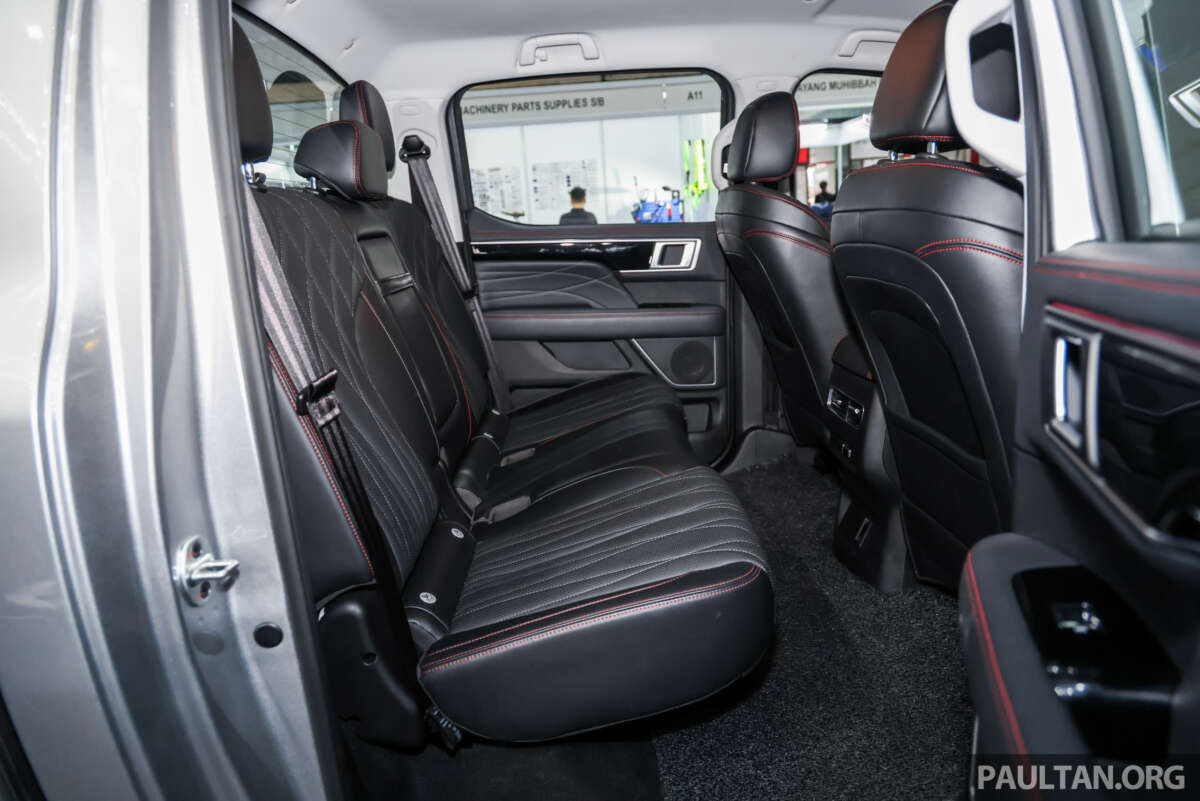
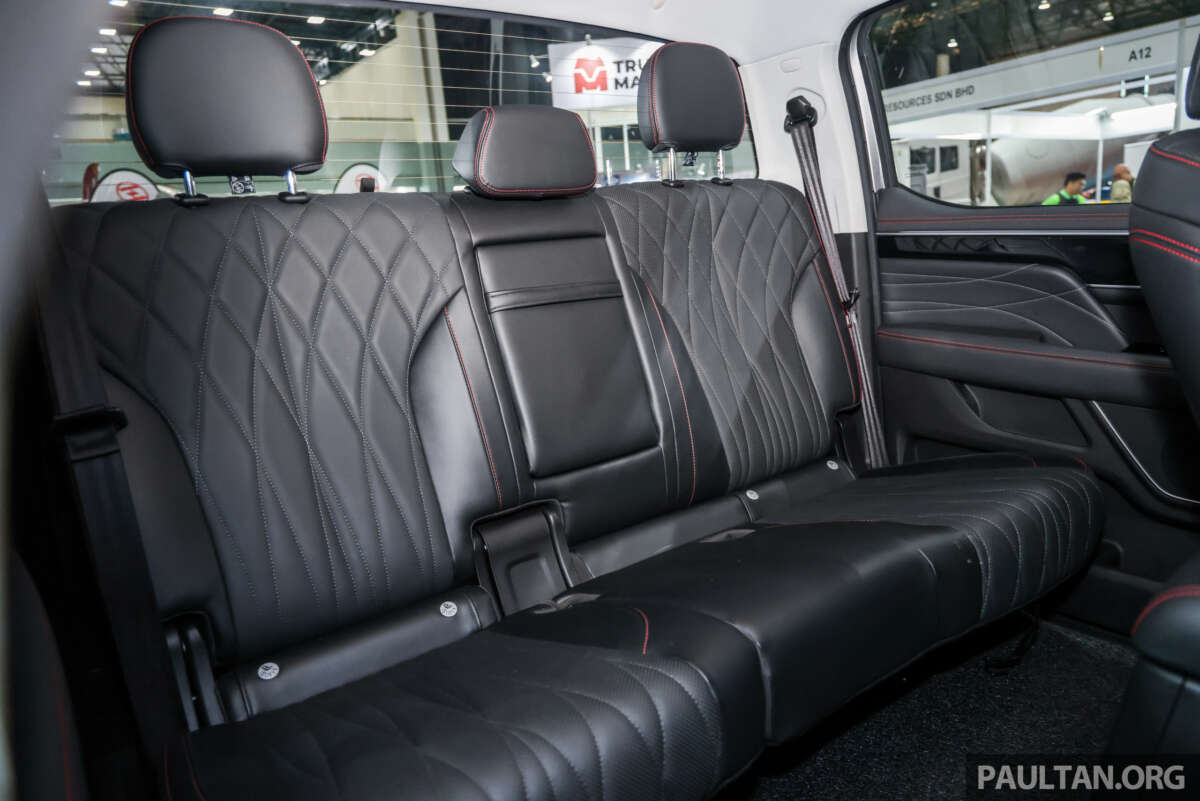
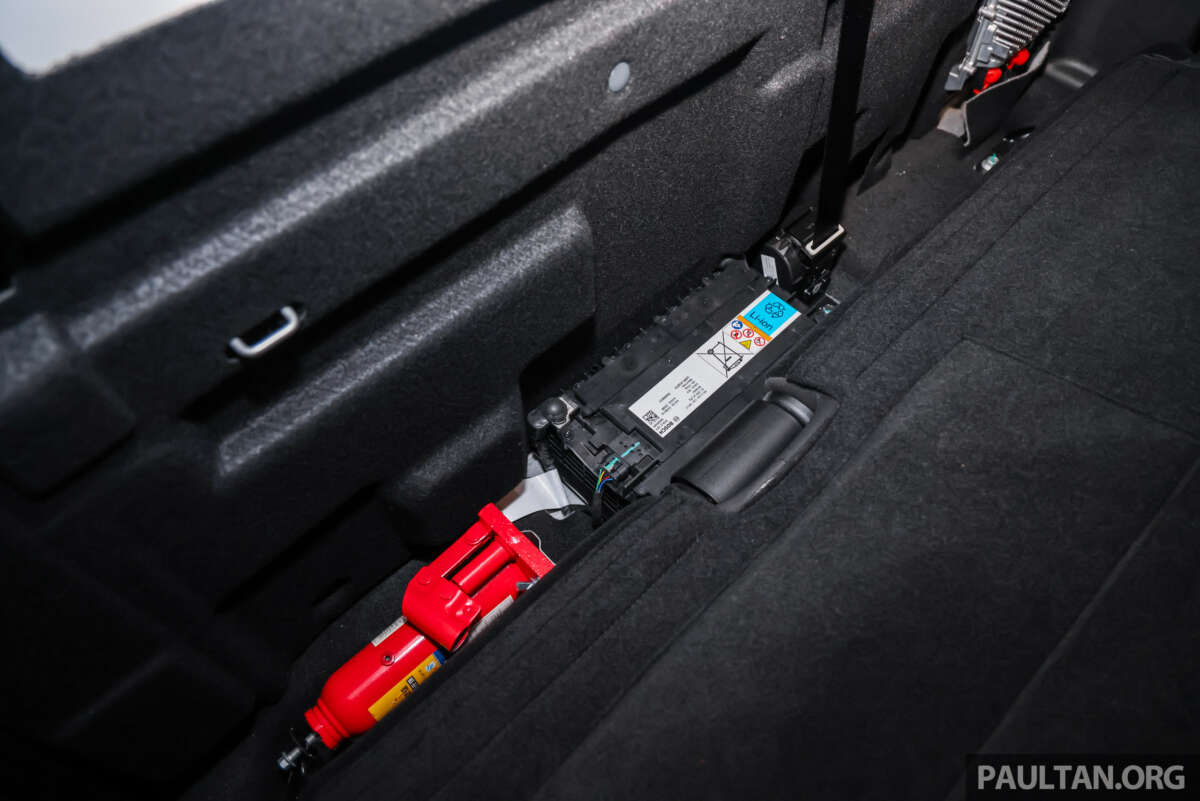
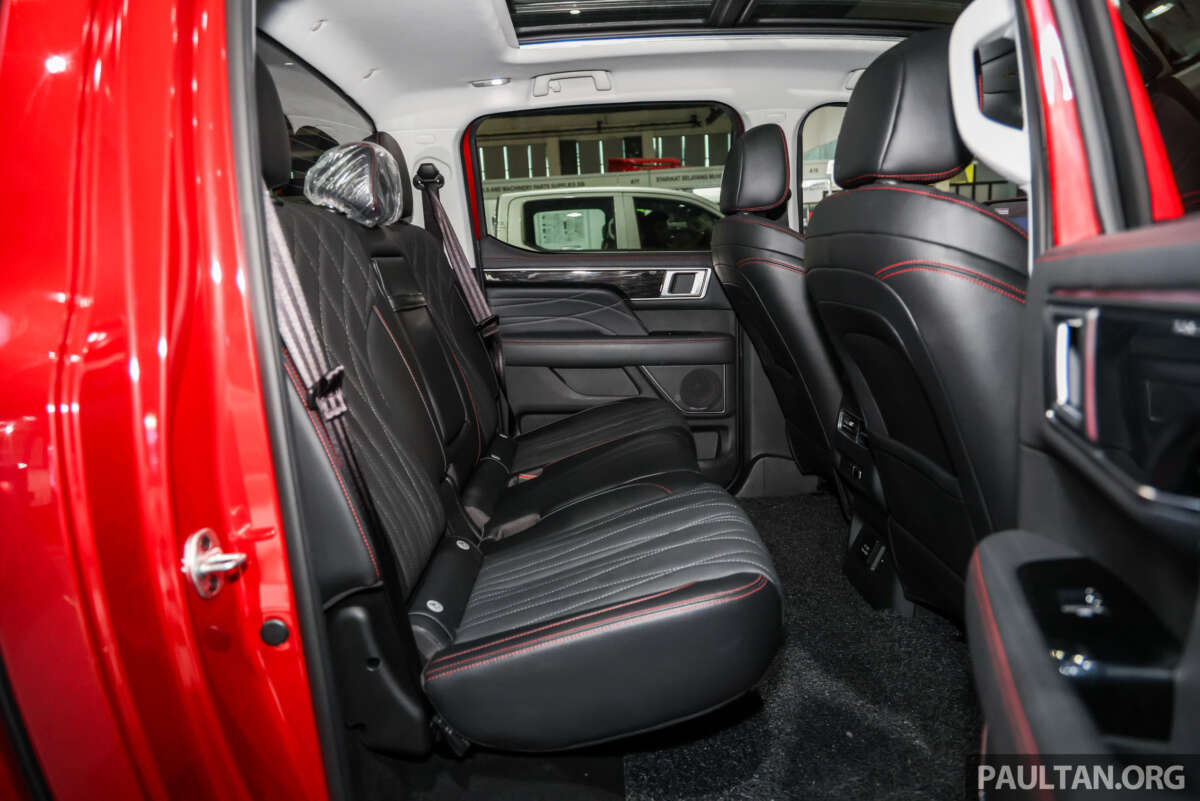
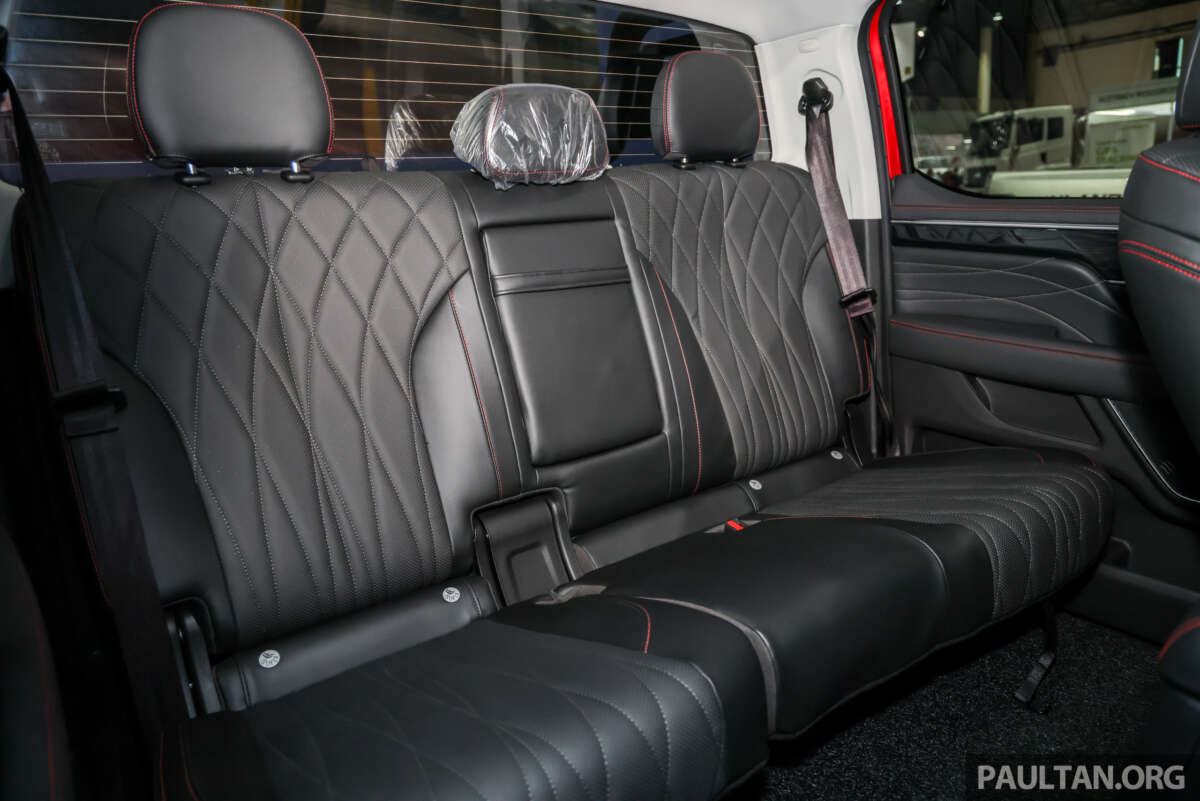
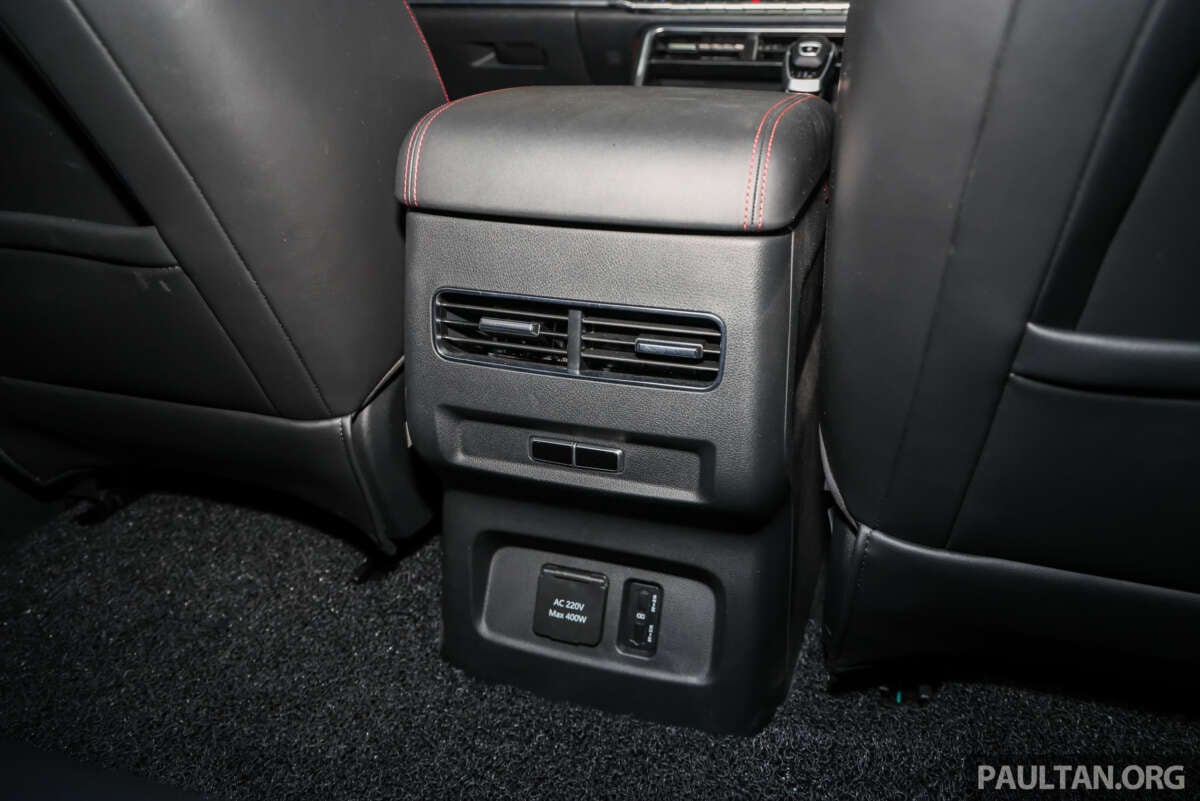
Elsewhere, the trucks get a folding rear bench, which exposes the lithium-ion mild hybrid battery; the 60:40-split seat bases can also tip up to enable users to carry tall items, similar to the Ultra Seats on the Honda City Hatchback and HR-V. Rear air-con vents also come standard.
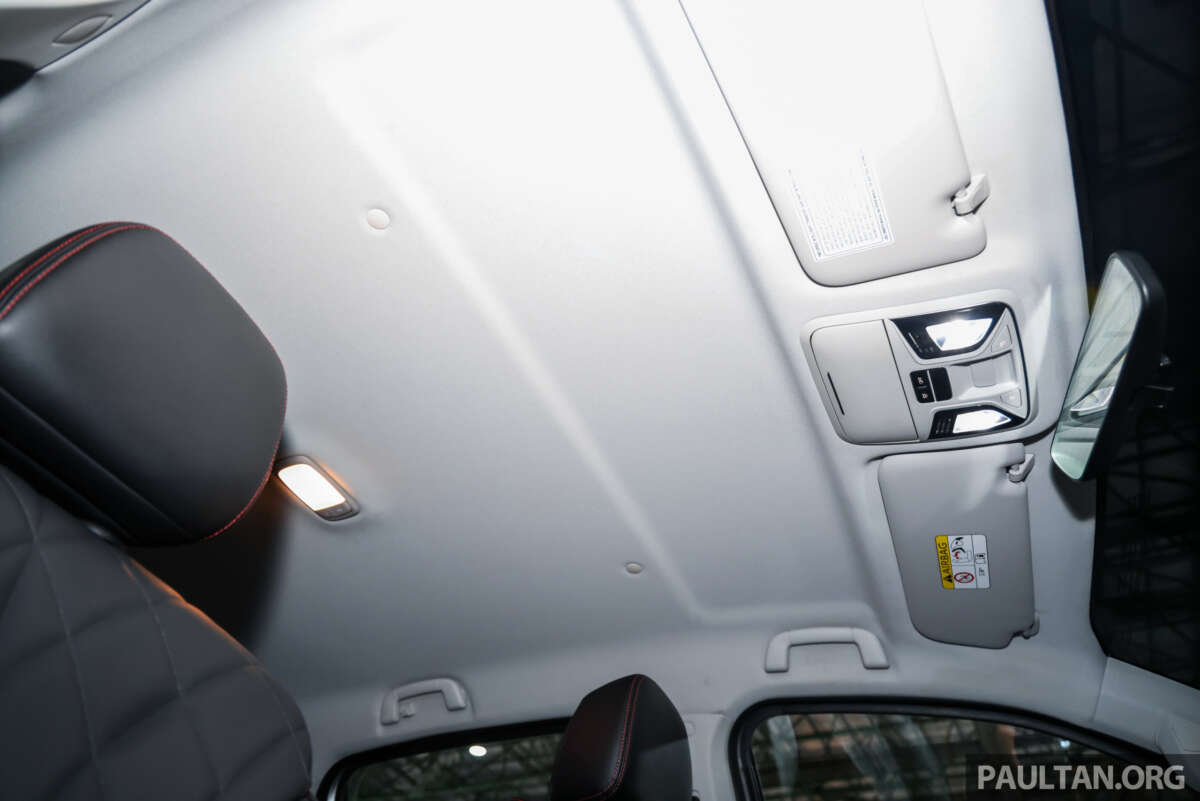
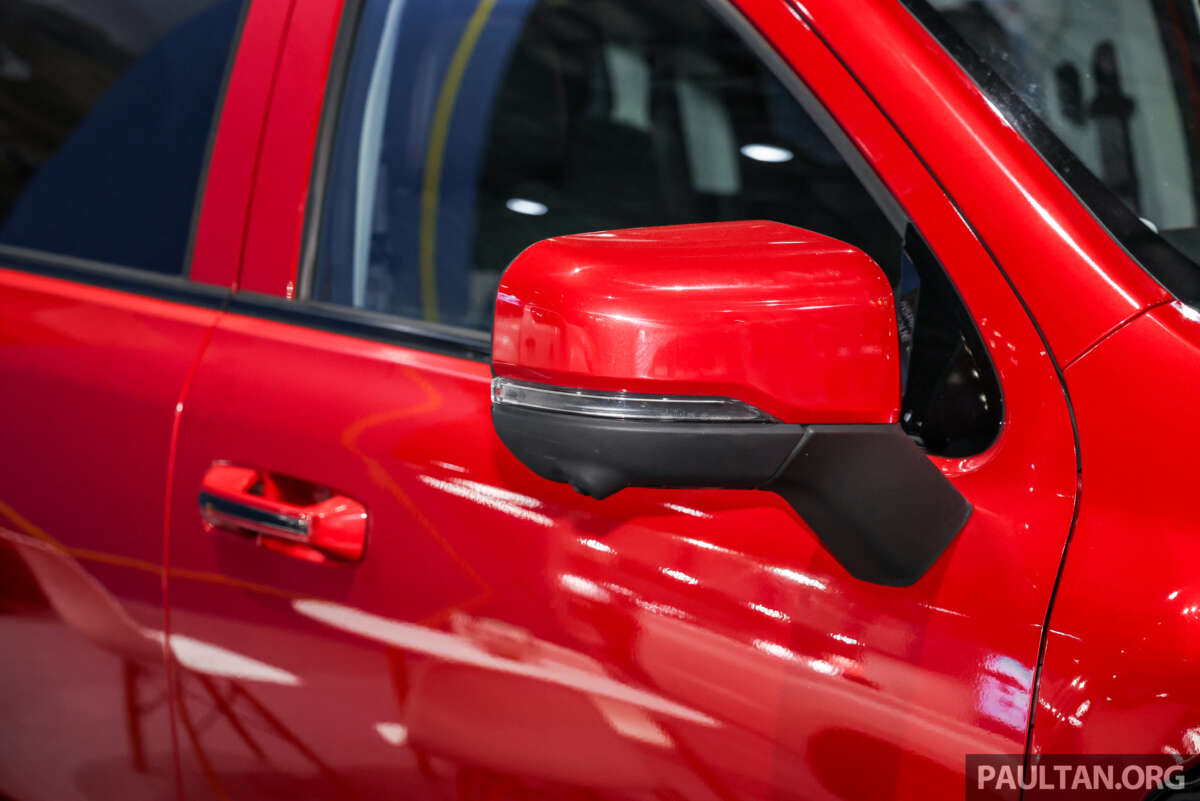
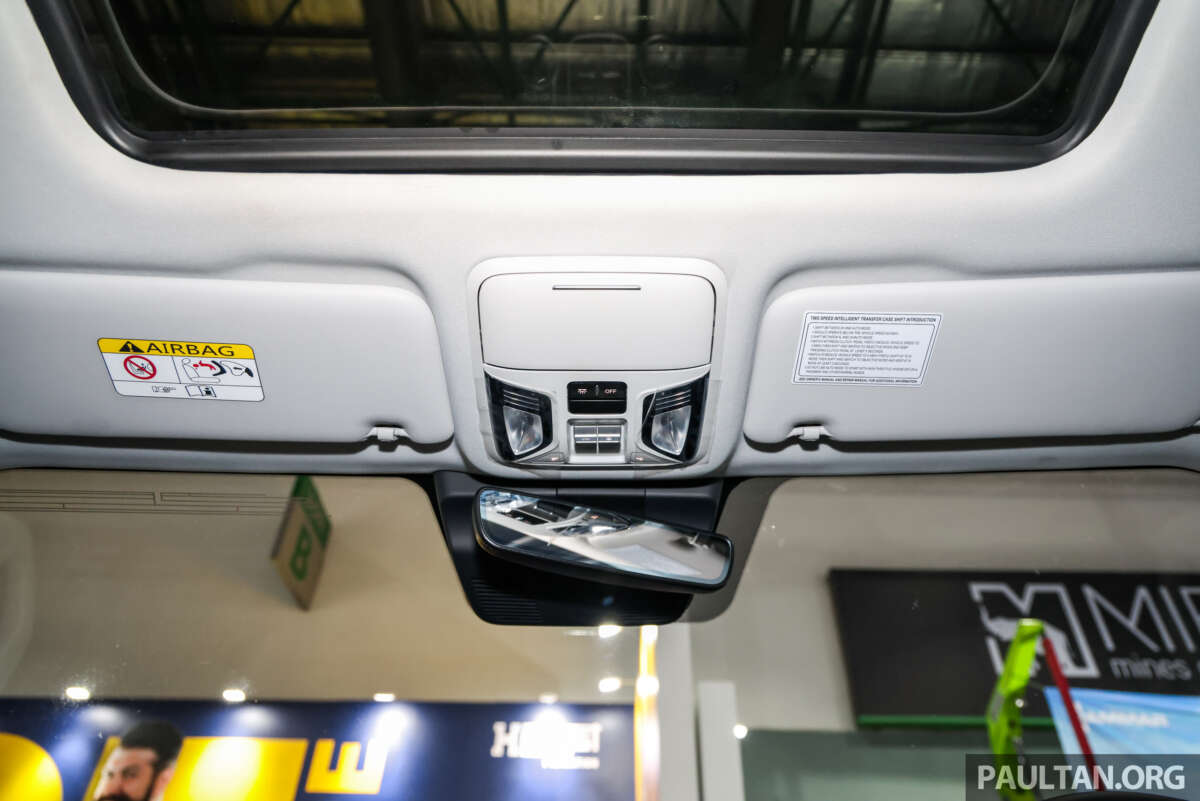
The differences in kit are rather small in nature. Both models come with tilt and telescopic steering adjustment, a ten-way power-adjustable driver’s seat and faux leather upholstery, but only the V9 gains a four-way powered passenger seat. The V9 is also the only one to get a panoramic sunroof, an auto-dimming rear-view mirror, a 220-volt rear power outlet and twin rear USB-A ports.
The rest of the V7’s kit list includes keyless entry, push-button start, manual-folding door mirrors, ambient lighting, cruise control, auto air con, four speakers, rear parking sensors and a reverse camera. The V9 adds dual-zone air con with built-in purification, heated door mirrors, six speakers, a 360-degree camera system with a transparency function and front sensors. Even the rear windscreen defogger is exclusive to the V9.


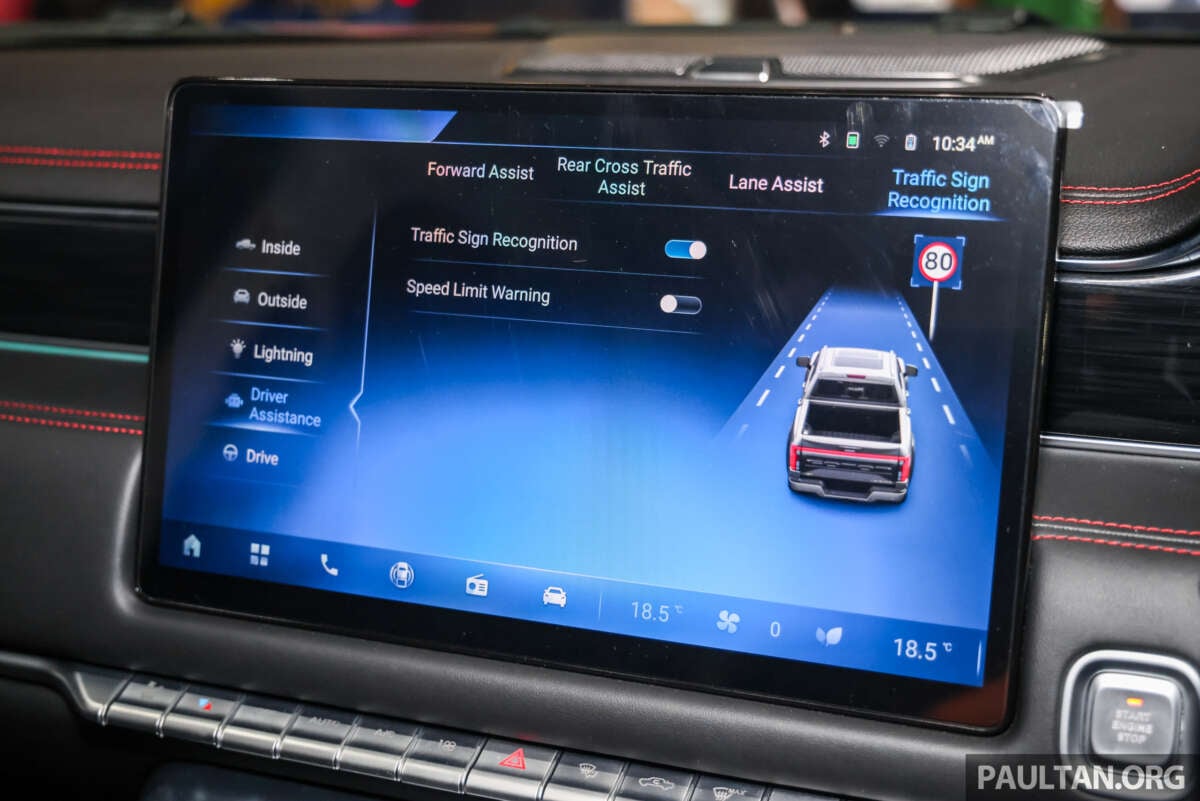
One area where the V7 loses out massively to the V9 is safety. It gets just two airbags to go with the standard stability control and hill descent control, whereas the V9 comes with the full complement of six airbags, autonomous emergency braking, adaptive cruise control, lane centring assist, blind spot monitoring, rear cross traffic alert, a camera-based driving attention monitor and auto high beam.
The Tunland V7 and V9 will arrive as limited CBU units first under a CKD bridging programme as per MITI regulations, before local assembly kicks off in Johor in the fourth quarter of the year. Foton is also showing an eTunland – based on the smaller Tunland G7 – at MCVE to gauge public interest in the electric truck, while petrol plug-in hybrid models are also on the cards for later on.
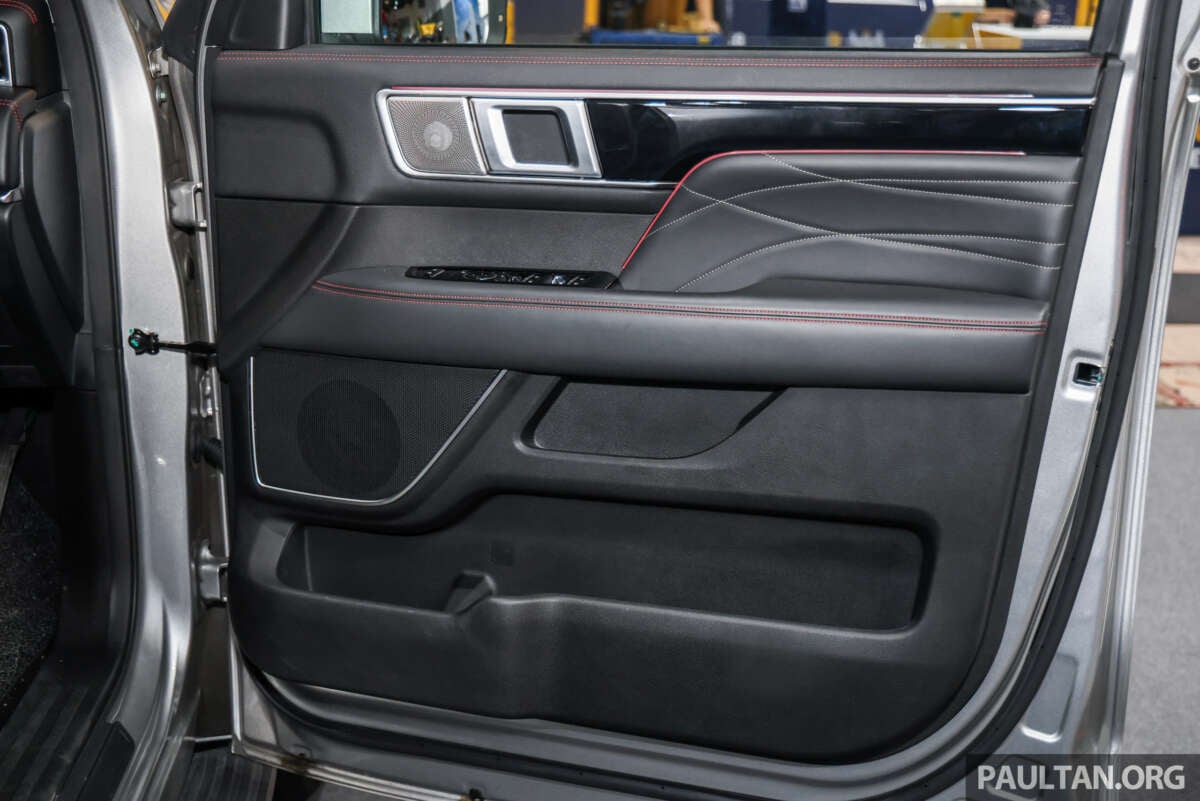
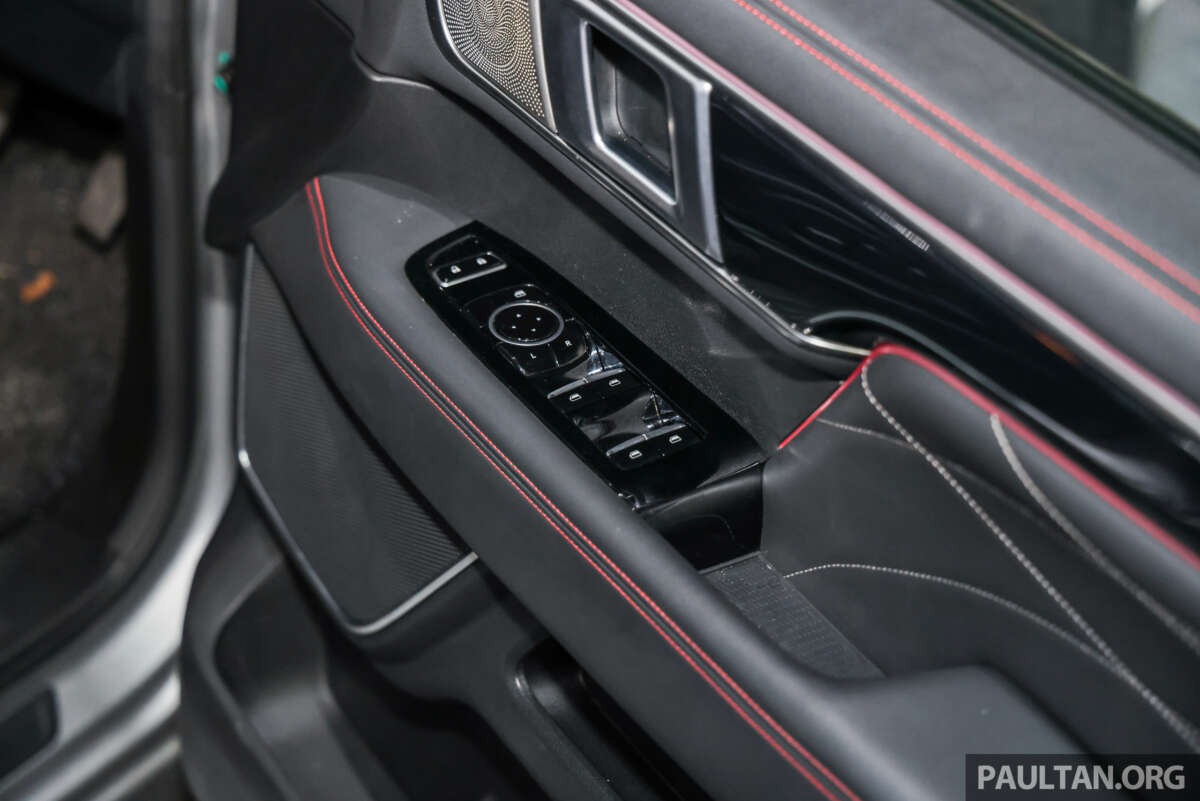
GALLERY: Foton Tunland V7 at MCVE 2026

















GALLERY: Foton Tunland V9 at MCVE 2026



























 Foton Tunland
from RM123,800
Foton Tunland
from RM123,800 

I will buy this is enter malaysian.
diesel?? i pass…next!
Stunning 2026.
Foton’s Tunland V-Series arrives in Malaysia as the first mild-hybrid diesel pickup, initially as CBU units with CKD assembly following in late 2026.
This full-size ute is ideal for Sabah and Sarawak, leveraging cheaper diesel with its high-torque 2.0L powertrain. Its standout feature is a robust 7-year/200,000 km official warranty, offering peace of mind for East Malaysians seeking a heavy-duty workhorse at competitive pricing.
Hardcore fans have always wanted a full size pickup for the lifestyle stance.
their payload rating of 895 kg is lower than the one-tonne standard of most mid-sized trucks,
The purpose of full size ute is for its stance,
For better offroad they are more agile 4×4 like GWM Tank 300, iCaur V23, EURO Ncap 3 star certified Jimmy, etc
payload rating has nothing to do with offroad capability. you are talking about a totally different ability.
Want Payload King better buy a Lorry or Van, higher payload result in stiffer hardy stock leafspring like hailat.
Otherwise 900kg is good enough to fit 8 kapchai safely at the car boot.
this pickup truck is too long at 5.6 meters. its gonna be sticking out of normal parking spots, and will take forever to execute a U-Turn
Can suit my name Ng Sing Tun like this I must buy one. Dragon power in red my lucky color. If got sell number plate Tun 8 my birthday even better. So don’t jealous me ah I wish you luck always.
crazy brand name.. and the copy pasta no originality is really the next level
895kg is still excessive.
i will not able to carry 800kg+ by myself.
At 895kg, you would have approximately 300 Large Durians x 3kg each, or 450 x 2kg medium Durians.
but the purpose of this is not logistic,
it’s getting the Full Size Pickup dream now.